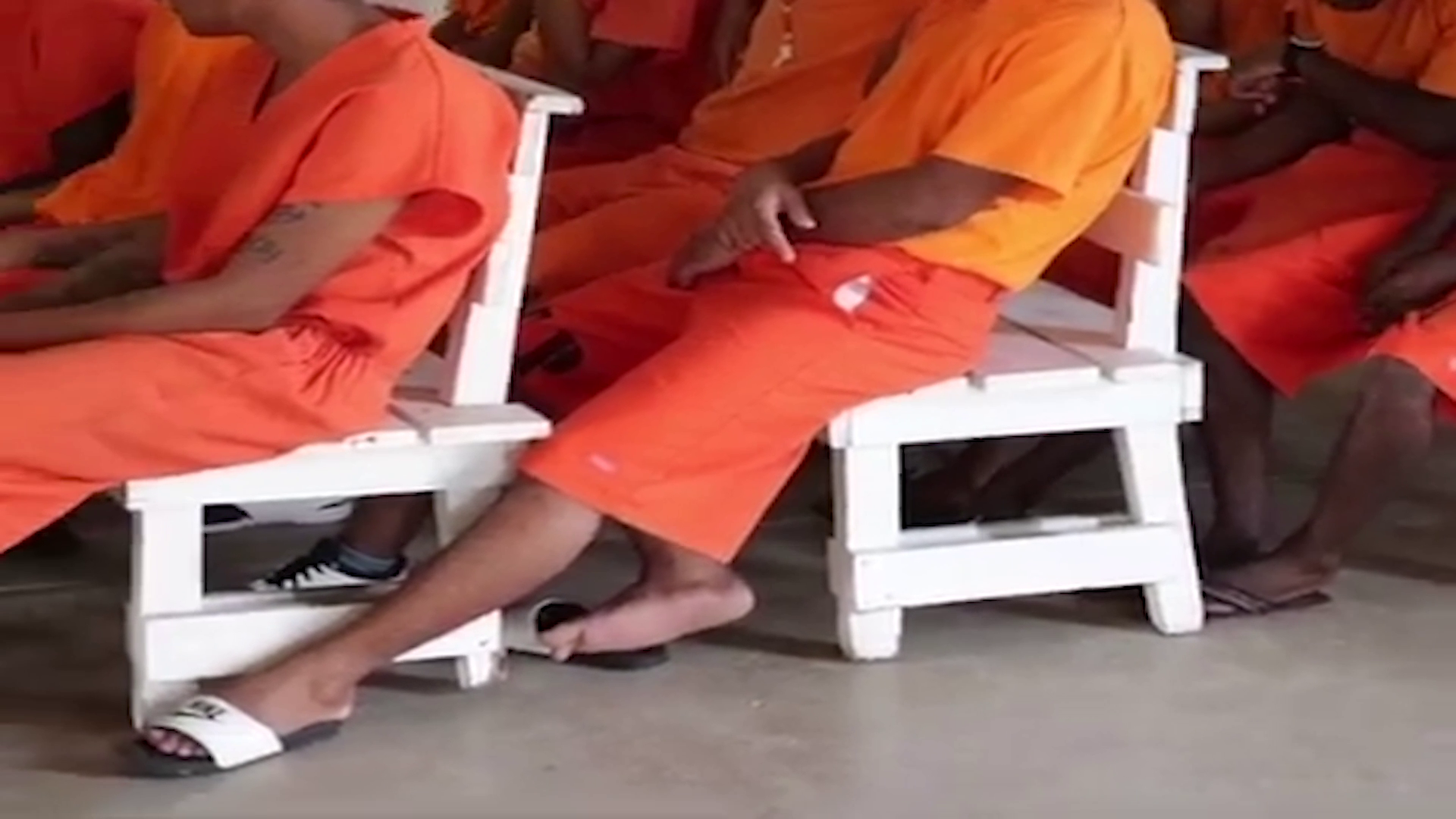
In a landmark development for Belize’s juvenile justice reform efforts, criminal justice students from the University of Belize (UB) presented new, on-the-ground research at a national restorative justice symposium on May 5, 2026, offering a data-backed assessment of the Wagner Youth Facility’s flagship restorative justice programming for young male offenders.
The student-led case study, focused exclusively on one of the country’s primary youth detention centers, delivers a nuanced picture of progress alongside unaddressed gaps, turning academic inquiry into a actionable plan for systemic improvement. Lead researcher Shaheed Mai explained that the project, conducted alongside two fellow UB classmates, centered on evaluating whether the facility’s rehabilitative model is successfully breaking the cycle of recidivism for young male detainees.
“Our analysis confirms that the core restorative justice framework at Wagner’s is working,” Mai told attendees, noting that the facility has made tangible strides moving away from traditional punitive models toward a rehabilitation-centered approach. Still, the team uncovered critical unmet needs that are limiting long-term outcomes for detainees. Major gaps identified include insufficient access to vocational training, limited pathways to higher education, and ongoing stigma that leaves young people framed primarily as inmates rather than individuals working toward reinvention.
Mai shared that many detainees currently housed at the facility expressed a strong personal desire to build skills, repair harm done to their communities, and contribute productively after their release — outcomes that are out of reach for many without expanded support systems.
Wagner Youth Facility Director Nasir Acosta welcomed the independent student assessment, echoing the team’s focus on centering holistic rehabilitation to cut down on repeat offenses. Acosta emphasized that therapeutic work to help young offenders process their emotions and understand their actions is a foundational first step to lasting change. “Before a young person can find the internal motivation to make amends to society, they first need to understand themselves,” Acosta explained. “Many arrive here without a clear grasp of their own emotions, how they ended up in detention, or how they can navigate the world after release. That is why therapeutic work comes first — it helps them acknowledge where they went wrong, build self-awareness, and prepare to find their place and do better moving forward.”
The collaborative effort marks a rare example of student research directly shaping public sector reform, with the study’s recommendations set to serve as a roadmap for updating programming at one of Belize’s leading youth detention facilities. This report is adapted from a televised evening news transcript, with Kriol-language remarks standardized for clarity in written transcription.