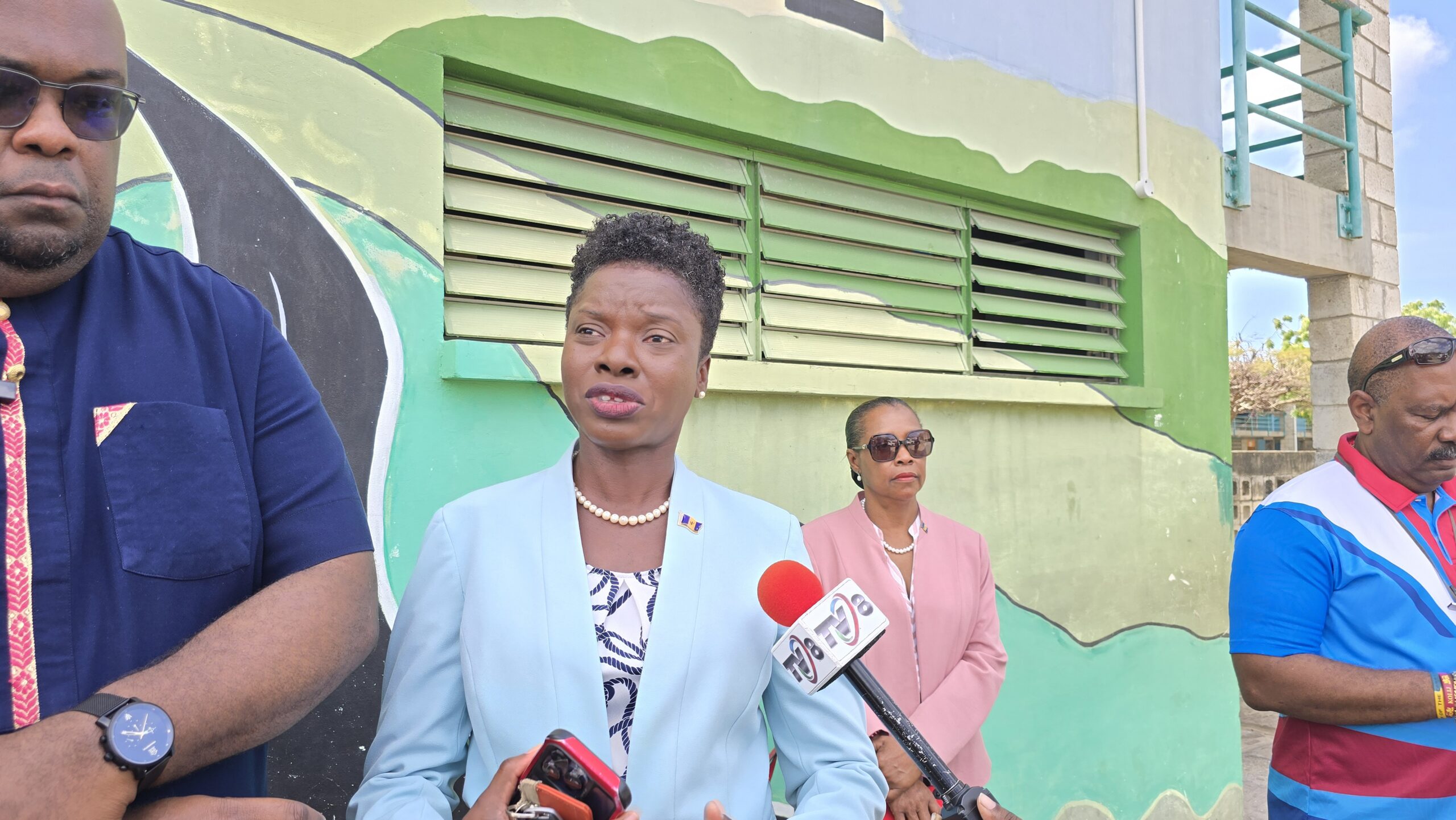
As anxiety over widespread private tutoring ahead of Barbados’ high-stakes 11-Plus entrance examination continues to build, the island nation’s top education official has pushed back against widespread criticism that classroom teachers lack commitment, instead laying the blame for over-reliance on extra tutoring on parental pressure for access to elite public schools.
Dr. Ramona Archer-Bradshaw, Barbados’ Chief Education Officer, delivered a robust defense of the country’s teaching workforce in comments to reporters this week, rejecting the broad claim that most educators are underperforming in their core roles. She argued that sweeping criticism of the profession is unfair and inaccurate, noting that the vast majority of Barbadian educators go far beyond their contractual obligations to support student success, particularly ahead of the high-stakes 11-Plus exam that determines secondary school placement.
“What I do know is that because some parents place a premium on certain schools in Barbados, they go all out to make sure that their children can have access to certain schools, and that is the reason why some of our parents will seek lessons for their children,” Archer-Bradshaw said. “I will not stand here and say that all of our teachers across the system are not teaching as they should. That would be very disingenuous of me.”
The education chief emphasized that the island’s teaching community consistently demonstrates extraordinary dedication to their students. “I can tell you that the teachers across Barbados generally give 110 per cent. They’re committed to the children of Barbados,” she said. Beyond delivering required academic content, Archer-Bradshaw noted that many teachers prioritize building critical life skills and positive social attitudes in young learners, devoting uncompensated extra time to reinforce concepts before the 11-Plus. Teachers across all primary grade levels – from Classes One through Four – often volunteer extra hours on weekends and during the Easter vacation to help students consolidate their knowledge, she added.
Archer-Bradshaw did not shy away from acknowledging performance gaps within the teaching workforce, however. She confirmed that a small share of teachers do not currently operate at their full potential, but stressed that most underperformance stems from a lack of targeted support rather than intentional neglect of duties. To address this gap, the ministry already deploys a team of education officers, master teachers, and instructional coaches to work directly with underperforming educators in schools, helping them build their skills and reach their full potential for the benefit of students.
Looking ahead, the ministry is moving forward with sweeping education transformation initiatives designed to elevate the island’s education system to global top rankings within six years. A key pillar of this agenda is a new national quality assurance framework, expected to launch within the next 12 to 24 months, which will establish clear, standardized benchmarks for effective teaching, school leadership, and high-performing school institutions. “When this quality assurance framework comes into play… this will indeed help us to move on to the trajectory of being the number one education system in the world,” Archer-Bradshaw said.
Another controversial reform currently moving forward is mandatory teacher licensing, a policy Archer-Bradshaw defended as a global standard for professional accountability and continuous improvement. She argued that licensing ensures all educators maintain up-to-date, cutting-edge teaching practices, a non-negotiable requirement if the country is to hit its goal of becoming a global leader in education.
Recognizing ongoing pushback from teaching unions, Archer-Bradshaw confirmed the administration remains committed to open, constructive dialogue with the Barbados Union of Teachers and other relevant labor groups. “We have regular meetings with the Barbados Union of Teachers as well as other unions. Of course, I will wait until we have that meeting and we will have a robust discussion as to the benefits of licensing, the disadvantages, and see where we can meet each other halfway or whole way,” she said.