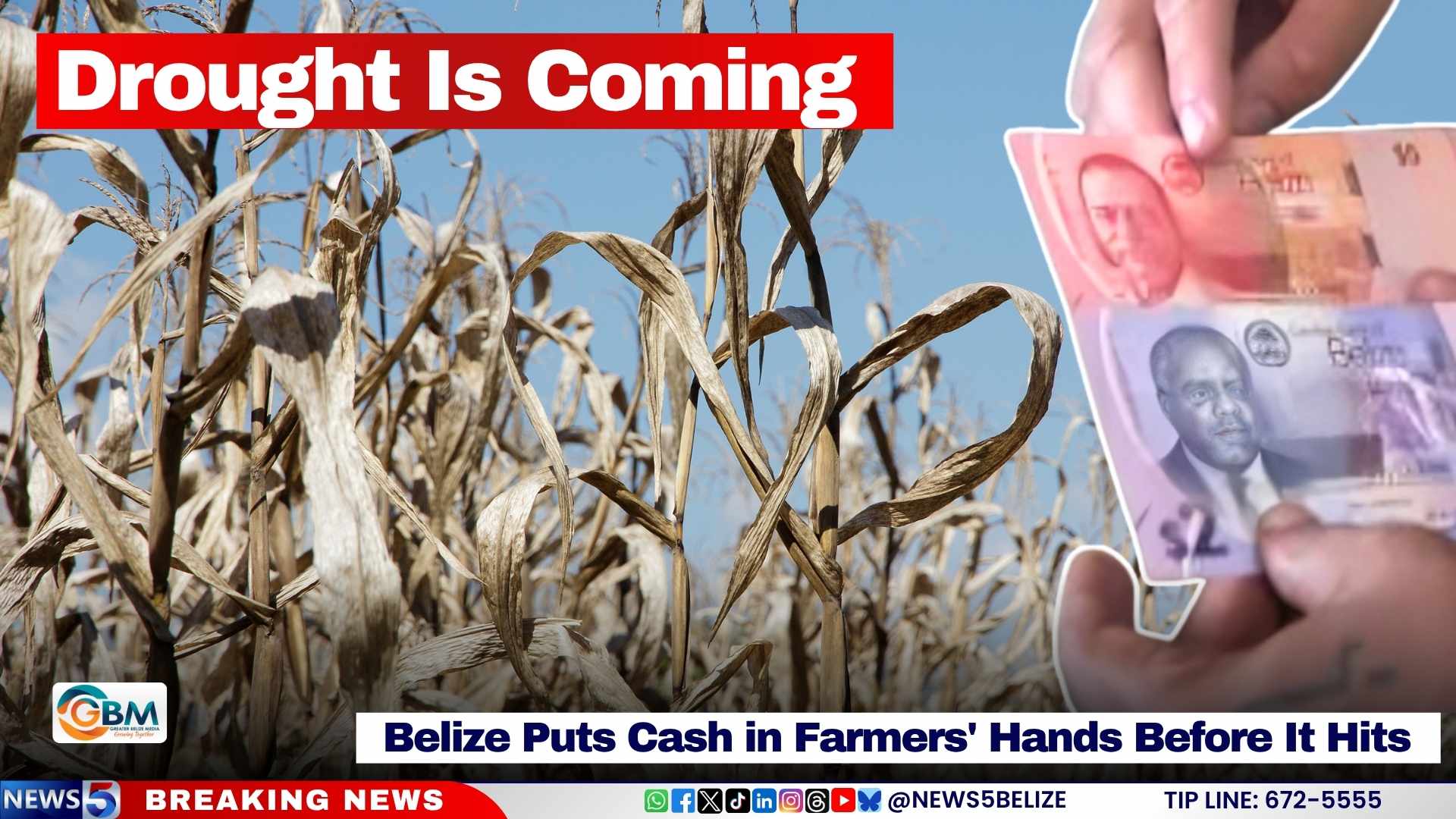
As the 2026 Atlantic hurricane season draws near, a far quieter but equally dangerous climate threat is already looming over Central America’s Belize: a severe, prolonged drought that threatens to wipe out harvests for thousands of small-scale agricultural producers across the country. With just 26 days remaining before the official start of hurricane season, meteorological forecasts have already painted a stark picture for the coming months, prompting government and international aid partners to roll out an unprecedented pre-emptive response to protect vulnerable farming communities.
Climate forecasters confirm that El Niño conditions are nearly certain to develop across the Pacific region by July 2026. For Belize, this climate pattern translates to an extended dry period far longer than the nation typically experiences, raising the risk of widespread crop failure, livestock loss, and long-term livelihood collapse for smallholder farmers who lack the resources to adapt to sudden water scarcity.
In response to this confirmed threat, Belize’s Ministry of Agriculture, the National Meteorological Service, and the United Nations World Food Programme (WFP) have jointly activated the country’s specialized Anticipatory Action mechanism – a pre-planned framework designed to intervene before a disaster strikes, rather than mobilizing aid only after damage is done. Under this initiative, direct cash transfers will be distributed to smallholder farmers operating in the three districts identified as facing the highest drought risk: Orange Walk, Corozal, and Cayo.
Recipients retain full flexibility to use the cash for whatever drought adaptation measures their operations need, including the purchase of water storage tanks, expanded irrigation infrastructure, and certified drought-resistant crop seeds that can thrive through extended periods of low rainfall.
Brian Bogart, a senior WFP representative working on the initiative, emphasized that early, pre-emptive action can fundamentally alter the outcome of a coming climate shock. “Acting early in these scenarios can mean the difference between a manageable shock and a devastating, generational crisis,” Bogart explained. He added that the anticipatory action model leverages peer-reviewed climate science and on-the-ground data to get ahead of drought impacts, protect vulnerable farmers’ livelihoods, and ultimately reduce the long-term economic and humanitarian costs of climate disasters that often far outstrip the price of early intervention.
This groundbreaking anticipatory action framework was nearly two years in development, with multi-donor financial support from the international community, including the governments of Canada, Ireland, and the United States, as well as the European Union. The model represents a growing shift in global climate adaptation policy, moving away from a purely reactive response to natural disasters toward proactive planning that protects at-risk communities before harm occurs.