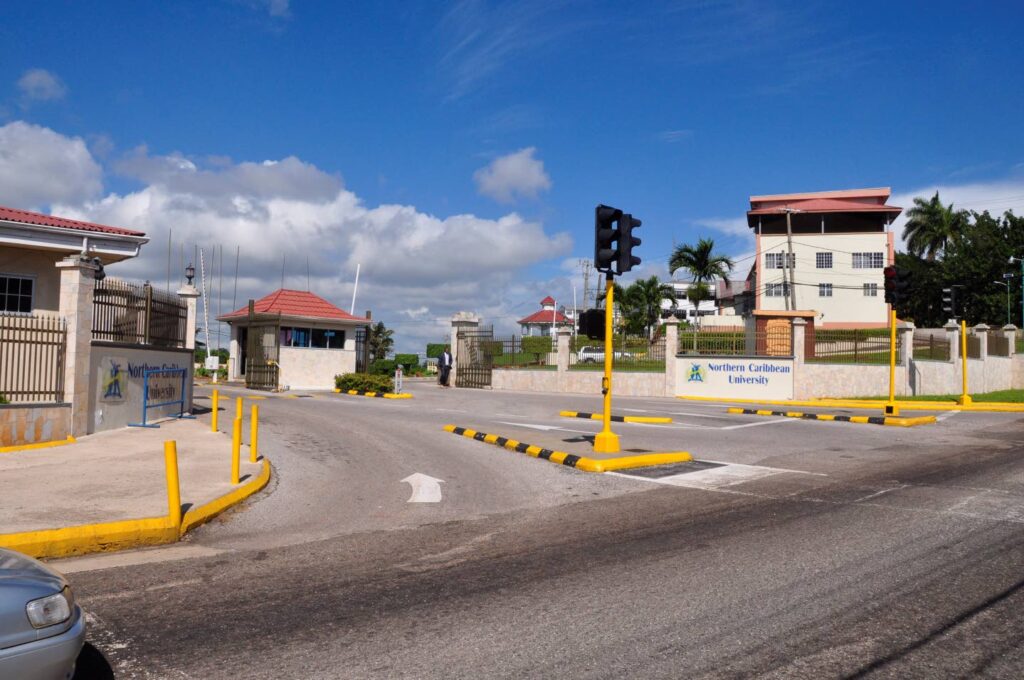
MANDEVILLE, Jamaica — Local education leaders in Mandeville are sounding a note of cautious optimism following a recent government announcement that the central Jamaican town has been selected as one of four national hubs for targeted education tourism development. While the broader initiative has been widely welcomed as a potential economic boost for the region, senior administrators from the area’s two largest tertiary institutions are urging authorities to prioritize long-overdue urban planning and infrastructure upgrades before the project moves forward.
The framework for the project was laid out last month when Jamaica’s Minister of Tourism Edmund Bartlett confirmed that Mandeville would receive targeted investment to grow its education tourism footprint. Now, Dr. Garth Anderson, principal of Church Teachers’ College (CTC), and Victorine Petrekin, who leads the hospitality and tourism programme at Northern Caribbean University (NCU), are calling for targeted government action to address longstanding systemic gaps that they say could derail the project’s potential.
Mandeville has long been labeled a de facto university town, with a concentration of post-secondary institutions that dates back decades. As Anderson notes, conversations about formalizing this status stretch back years, when the area was home to an additional Catholic college that has since closed. Today, CTC, NCU and Knox Community College anchor the town’s education sector, and Anderson argues that formalizing the education tourism project could deliver far-reaching benefits beyond the classroom.
“If we can finally move this idea of a designated university town from discussion to implementation, we can unlock ripple effects across our local economy: creating new jobs, driving investment, and even addressing some of the most persistent social ills that impact our communities and the broader Jamaican society,” Anderson explained.
But to unlock those gains, Anderson says core infrastructure challenges must be addressed first. Foremost among these is the region’s decades-long struggle with chronic water scarcity, a crisis that has left thousands of households across Manchester and the wider south-central part of the country dependent on rainwater harvesting to meet daily needs. This water shortage, in turn, has created a housing crisis, as the town cannot expand residential capacity to accommodate the growing student population.
“We simply do not have enough on-campus and off-campus housing to accommodate all the prospective students who want to attend our tertiary institutions,” Anderson noted. “Beyond housing, our overstretched transportation system is another critical bottleneck. Mandeville has grown far more crowded over the years, and the current transport network cannot support a large influx of new students and education tourists.”
For her part, Petrekin emphasized that NCU has already been laying critical groundwork for a thriving education tourism sector, by training a new generation of local hospitality and tourism professionals. The university already draws a significant cohort of international students, who she says are attracted by NCU’s combination of hands-on vocational training and its strong focus on ethical and moral principles, which resonates with students from a wide range of religious and cultural backgrounds.
Petrekin echoed Anderson’s call for targeted government investment, urging that a portion of national tourism revenue be allocated to expanding access to education for young Jamaicans interested in building careers in the sector. She noted that Manchester and Jamaica’s south coast are uniquely positioned to grow niche segments including ecotourism and rural tourism, and investing in local training would ensure that community members benefit directly from the growth of education tourism. “If we set aside a share of tourism funding to train the next generation of local workers, we will see far more young people pursue careers in this growing sector, and the entire region will benefit,” Petrekin said.
Across the board, local stakeholders support the education tourism initiative, but their message to government is clear: infrastructure and workforce development must come first to turn the plan’s potential into tangible, shared growth for Mandeville.