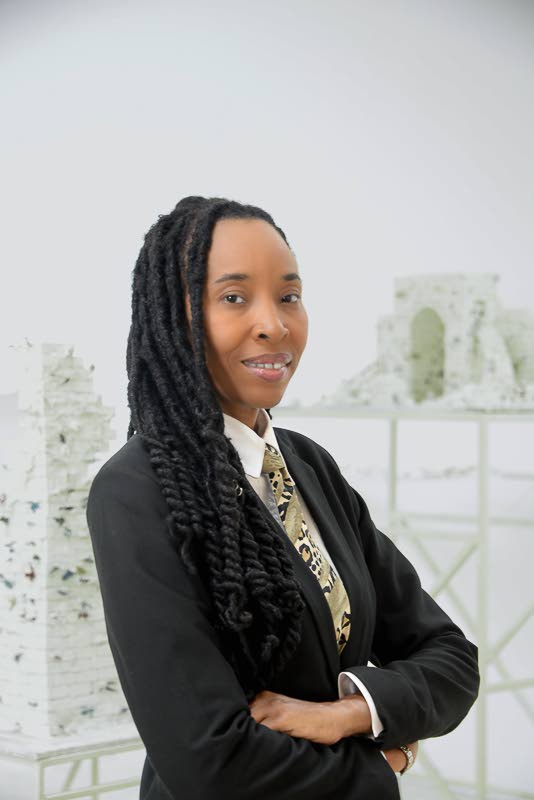
For decades, museums across the globe have held their position as unshakable stewards of human heritage, preserving collective memory and cultural identity for future generations. Today, however, these iconic institutions find themselves at a crossroads: facing mounting pressure to prove their social relevance, secure sustainable funding, and redefine their public role. But according to Dr Nadine Boothe-Gooden, the dynamic director of the National Gallery of Jamaica, acclaimed cultural strategist and multilingual consultant, museums do not have to accept decline as an inevitable fate.
In an opinion piece published ahead of International Museum Day on May 18, 2026, in the *Jamaica Observer*, Boothe-Gooden acknowledges that the sector stands at a defining turning point, forced to confront unprecedented disruption driven by digital transformation. She argues that tradition and the inherent value of historic collections alone can no longer guarantee long-term survival. Instead, she outlines a proactive, optimistic roadmap for museums to thrive in 2026 and for decades to come, centered on one core principle: “It will depend on adaptability, leadership, and a willingness to rethink what a museum is and whom it serves.”
For Jamaica, this conversation carries particular urgency. The island’s museums hold irreplaceable collections that document histories shaped by colonialism, Indigenous resistance, artistic creativity, and post-independence nation building, yet most operate within fragile financial and institutional frameworks. Boothe-Gooden frames the current debate not as a question of whether museums still matter — but whether global communities are prepared to take the bold steps needed to help them endure.
Through most of the 20th century, the success of a museum was measured by two metrics alone: the size of its permanent collection, and the traditional authority of its curatorial team. That outdated model, Boothe-Gooden argues, no longer meets the needs of 21st century audiences. Contemporary visitors expect museums to engage directly with the urgent issues shaping their daily lives, from racial identity and climate change to social justice and the impact of technology. Younger generations, in particular, reject the traditional model of passive observation and demand active participation in institutional programming and governance.
In Jamaica, public expectations have already shifted: museums are increasingly called on to act as community educators, core tourism assets, inclusive civic gathering spaces, and trusted custodians of national memory. Yet many local institutions still operate under rigid, outdated governance structures and funding models that stifle innovation and experimentation. Boothe-Gooden emphasizes that survival in the coming years will require museums to transform into more responsive, inclusive, and outward-facing organizations.
One of the hardest truths the sector must confront is its ongoing financial instability. While public funding remains a critical foundation for museum operations, it is no longer enough to cover growing costs. Across the Caribbean, cultural institutions remain disproportionately vulnerable to sudden economic shocks and shifting political priorities that can cut funding overnight. Globally, Boothe-Gooden notes, the most successful and sustainable museums have already diversified their revenue streams through strategic cross-sector partnerships, targeted philanthropy, public membership programs, digital content offerings, and intellectual property licensing.
This financial shift requires a fundamental change in institutional culture, she argues. Fundraising and engagement with the private sector must be redefined as tools for long-term sustainability, not compromises to a museum’s scholarly integrity. Museum boards and leadership teams must be empowered to embrace entrepreneurial thinking, while upholding strict scholarly and ethical standards that protect collections and institutional mission.
For Caribbean museums in particular, climate change stands as one of the most urgent and underdiscussed threats to cultural heritage. Rising sea levels, more frequent extreme weather events, and accelerating environmental degradation put irreplaceable collections, archival materials, and historic museum buildings at constant risk of irreversible damage. Boothe-Gooden stresses that investment in specialized conservation labs, institutional disaster preparedness plans, and large-scale digital documentation of at-risk collections is no longer a discretionary luxury — it is an essential safeguard for collective cultural memory.
Equally critical to long-term survival is the ongoing global reckoning over representation and institutional voice. Global conversations about decolonizing museum practices resonate with particular power in Jamaica, a nation whose history is inextricably tied to colonial extraction. Boothe-Gooden reminds readers that museums are not neutral spaces: they are sites where narratives of history, structures of power, and collective memory constantly intersect.
Meaningful survival, she argues, depends on centering the perspectives of communities, artists, and scholars who were historically excluded and marginalized from museum leadership and narrative construction. This change requires far more than symbolic gestures like occasional guest exhibits; it demands structural transformation, shared decision-making authority, and radical honesty about a museum’s complicated historical role.
Digital transformation, often framed as an existential threat to physical museums, is actually one of the greatest opportunities for the sector to expand its impact, Boothe-Gooden argues. Virtual exhibitions, freely accessible online collections, and dynamic digital storytelling projects allow Jamaican museums to reach diasporic and global audiences far beyond the physical limits of their gallery walls. Crucially, she notes, digital access is not intended to replace the irreplaceable experience of visiting a physical museum — it exists to amplify that experience and make it available to people who could never travel to the institution in person.
Ultimately, Boothe-Gooden argues, the fate of museums will rise or fall based on the quality of their leadership. The next generation of museum leaders must combine rigorous scholarly vision with strong managerial skill, policy literacy, and global awareness to navigate the challenges ahead. In Jamaica, this priority aligns directly with national development goals that frame culture as a core driver of national identity, social cohesion, and inclusive economic growth.
Boothe-Gooden closes by emphasizing that the future of museums is not preordained. Institutional decline is not inevitable. What lies ahead for the sector is a clear choice: a choice to adapt to changing expectations or retreat into tradition. To engage with diverse communities and contemporary issues or remain insular and isolated. In 2026 and beyond, she concludes, the museums that survive and thrive will be those that understand their role is not just to guard the heritage of the past — but to be active participants in shaping a more inclusive, equitable future for all.