A growing poverty crisis is reshaping vulnerability across Trinidad and Tobago, with economic strain pushing even employed households into financial instability and creating what local aid organizations have termed a rising cohort of “new poor” citizens. Long-standing charitable groups that have spent decades supporting marginalized communities say the demographic of people seeking help has shifted dramatically in recent years, driven by skyrocketing living costs and stagnant wages that have left even middle-income working families unable to cover basic needs. And across the board, they warn, children bear the most severe, long-lasting damage of deepening deprivation.
Latest 2025 data from the Oxford Poverty & Human Development Initiative underscores the scope of risk facing the nation’s population. While just 0.5% of Trinbagonian citizens are categorized as multidimensionally poor, nearly 39% of the population faces high risk of falling into poverty. Urban residents face slightly higher vulnerability at 40.1%, a gap that reflects the disproportionate pressure of rising consumer costs in city centers compared to rural regions, where vulnerability sits at 6.6%. Independent estimates from local aid groups place the national overall poverty rate between 13% and 18%, with children overrepresented among affected households.
Simone de la Bastide, president of The Children’s Ark – a 25-year-old organization dedicated to supporting marginalized, abused and at-risk youth across the country – described the shifting landscape of need in an interview with the *Sunday Express*. “A percentage of the middle-income families are also struggling due to lack of secure jobs and the higher cost of living today. Let’s face it – everything goes up today but salaries,” she explained. De la Bastide emphasized that children suffer irreversible harm when raised in unstable, impoverished conditions: chronic stress from inadequate housing, food insecurity and family instability triggers depression, long-term physical health complications, and stunted social and mental development. Many children raised in poverty live in single-parent households with multiple siblings, often in overcrowded, unsafe structures or on the streets, raising alarming questions about missing youth who have disappeared from city street populations, she added.
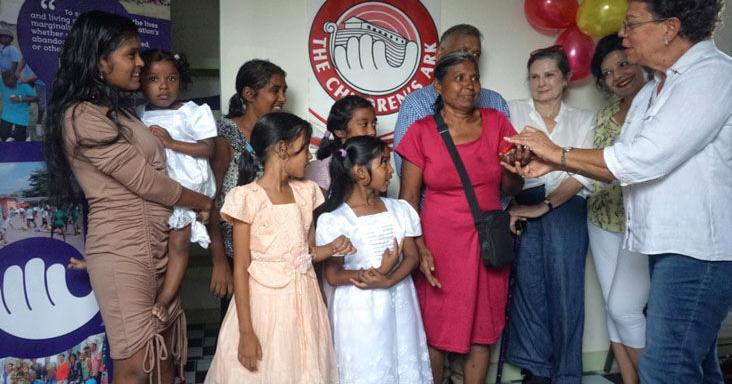
In April 2025, The Children’s Ark demonstrated its on-the-ground impact by gifting a fully furnished, three-bedroom container home valued at TT $250,000 to an eight-member family that had been living in dangerous, substandard housing in St Augustine. Despite this progress, de la Bastide stressed that widespread deprivation often remains hidden from general public view, and that systemic change cannot come from charity alone. At the handover ceremony, she noted: “It is truly unacceptable that members of our society live in such squalor. There is such a great and serious need for significant improvement in many spheres within our social services.”
De la Bastide has called for formal collaboration between the national government and local registered charities, arguing that grassroots organizations already have on-the-ground connections to vulnerable communities that government agencies cannot match. “The NGOs, FBOs (faith-based organisations) and CBOs (community-based organisations) are on the ground, so to speak, and are in touch with the needs of the people and their communities. Our children are the nation’s future,” she said. By combining the government’s resources with grassroots outreach, she argued, the country could lift thousands of at-risk youth out of poverty, prevent them from falling into cycles of crime, and improve overall family well-being.
Zahir Ali, founder of 2025 *Express* Community Group of the Year Glimmer of Hope, echoed de la Bastide’s observations, confirming that poverty has expanded far beyond the nation’s traditional vulnerable groups to reach working households. “There has been a marked increase in working people who are still unable to make ends meet. Rising expenses and stagnant wages have made it difficult for many employed individuals to maintain a sustainable quality of life,” Ali explained. Demand for Glimmer of Hope’s humanitarian services has surged dramatically over the past year, Ali said, with persistent unemployment and soaring living costs pushing more families to seek aid. Unlike years past, many new clients now turn to local trusted charities because they deliver tangible support rather than empty political promises, he added.
Like de la Bastide, Ali highlighted that children face the most damaging long-term impacts of growing poverty. Limited access to nutritious food, quality healthcare and safe housing undermines children’s physical development, emotional stability and academic progress, creating barriers that limit their economic potential well into adulthood. To illustrate the current reality of poverty in the country, Ali shared the story of a Golconda family that faces daily uncertainty about where their next meal will come from – one of dozens of similar cases the organization has supported in recent months.
While Ali acknowledged that temporary charitable aid eases immediate hardship, he argued that long-term solutions require addressing the root causes of poverty through systematic empowerment rather than one-off handouts. He praised the current government for its ongoing efforts to address the crisis, noting that the administration has only been in office for one year, and deep-rooted systemic problems cannot be resolved overnight. To accelerate progress, Ali recommended that the government partner with the Ministry of Social Development to conduct a comprehensive national needs assessment to deliver targeted support to the most vulnerable households. He also advocated for policy shifts that prioritize skills development and economic empowerment to help families build sustainable, independent livelihoods over time.
Both organizations agree that while charity remains a critical lifeline for struggling households, it cannot solve the expanding poverty crisis on its own. Only coordinated action between government and grassroots community groups, they argue, can create the sustained, systemic change needed to reverse rising poverty and protect the nation’s most vulnerable citizens.