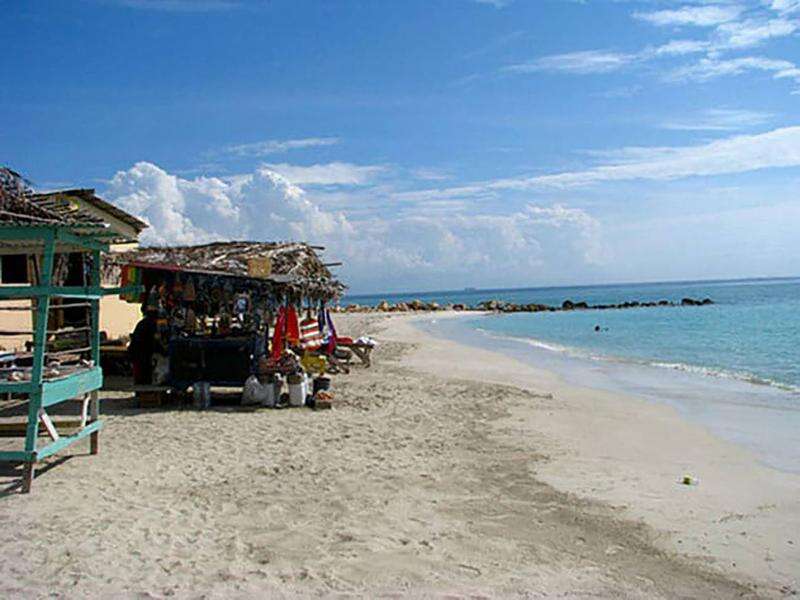
One of Jamaica’s most beloved coastal destinations, Hellshire Beach in St Catherine, is set to undergo a landmark restoration effort, as the government advances a comprehensive master plan to reverse decades of climate-driven damage, with a final draft slated for completion by the end of the current fiscal year. The announcement was made by Minister of Water, Environment and Climate Change Matthew Samuda on April 28, during his address to the Sectoral Debate held at Gordon House, Jamaica’s seat of parliament. For over a decade, the iconic beach – which once drew thousands of local and international visitors annually – has been grappling with severe coastal erosion, a crisis amplified by the shifting impacts of a changing global climate. The natural degradation has already forced dozens of the beach’s famous shoreline food vendors out of business, with many of their small wooden shops tumbling into the encroaching sea as the shoreline retreats. These vendors are integral to Hellshire’s cultural identity, best known for serving the island’s iconic fried fish and festival meal that draws foodies from across the country. To reverse this damage and secure the beach’s future, the National Environment and Planning Agency (NEPA) is leading the development of a holistic master plan that balances competing priorities: supporting the coastal community’s livelihoods while protecting the fragile local ecosystem. Speaking to parliament, Samuda emphasized that the project is rooted in the principle that Hellshire must serve both people and the planet, rather than prioritizing one over the other. The plan outlines three core pillars of action. First, it calls for a full overhaul of the beach’s outdated sanitation and waste management infrastructure, putting an end to the dangerous practice of direct waste discharge into coastal waters and cutting down on pervasive littering that harms marine life. Second, it will formalize the shoreline vending sector through regulation, establishing clear environmental responsibilities for all operators to ensure commercial activity does not undermine conservation goals. Third, the initiative prioritizes the protection of adjacent mangrove forests and seagrass beds, critical natural habitats that support local fisheries and act as natural barriers to reduce coastal erosion and boost the shoreline’s resilience to storm surges and sea level rise. According to Samuda, the ultimate goal of the multi-year restoration project is to reimagine Hellshire as a global model for sustainable coastal development: a clean, welcoming space that retains its cultural and economic vibrancy while safeguarding the natural environment that sustains it. Preliminary technical and environmental studies are currently in their final stages, and the full detailed master plan will be released for public consultation with Jamaican citizens before the end of the year, kicking off what will be a years-long effort to restore the iconic beach for future generations.
Gov’t developing master plan to restore world famous Hellshire beach, says Samuda