SANTO DOMINGO – Recent circulating speculation around the privatization of the Dominican Republic’s iconic Valle Nuevo National Park has been formally debunked by the nation’s Ministry of Environment and Natural Resources, which confirmed the protected conservation area remains fully public and open to all visitors.
Tourists and local outdoor enthusiasts can still access and explore the full expanse of the park by paying the standard RD$150 entry fee, the same rate that has been in place for general admission for years.
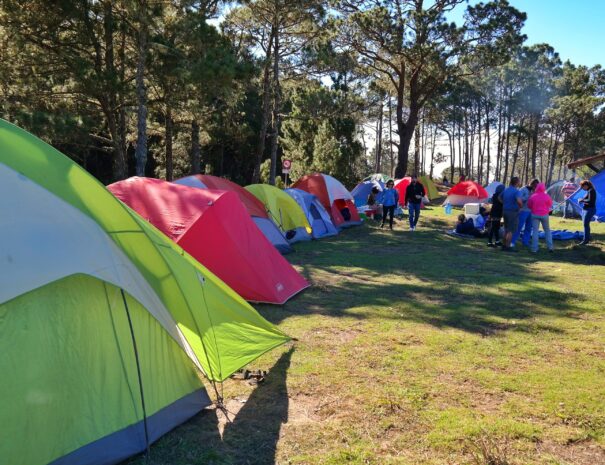
The confusion stemmed from a newly implemented separate camping fee that applies exclusively to a newly zoned section of the park called the “Garden of Eden”, a purpose-built area designed specifically to organize and accommodate overnight camping stays. Ministry authorities explained that the new zoning and fee structure was created to address longstanding issues with unregulated camping, which had gone unmonitored for years and caused measurable harm to the park’s fragile native ecosystem.
First launched in 2021, the zoned camping initiative was developed to advance the goal of sustainable recreation across the country’s protected areas. The Garden of Eden operates with low-impact infrastructure, integrated environmental education programming for visitors, and strictly controlled visitor capacity to limit ecological disruption.
Officials emphasized that the site operates under an ecotourism concession model, a framework that permits licensed private operators to manage visitor services within the zone – but does not in any way transfer ownership of the public land to private entities. Valle Nuevo National Park remains fully public property under continuous government oversight, and the new camping model is just one part of a broader national strategy to improve conservation outcomes and visitor management across the Dominican Republic’s National System of Protected Areas.
This concession model is not new to the country’s protected park network. Several other well-known Dominican conservation and recreation sites already operate under the same structure, including Cotubanamá National Park (which encompasses the popular tourist destination Saona Island), Catalina Island, and Damajagua Falls.