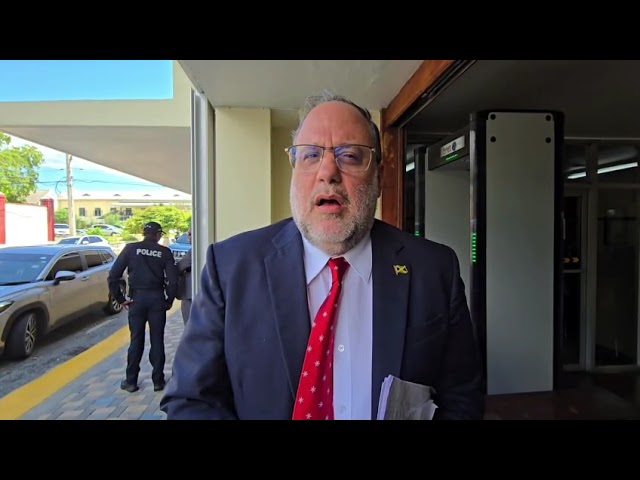
KINGSTON, Jamaica — In a sharp rebuke of the ruling government’s stance on police accountability, Opposition Leader Mark Golding is standing firm in his demand that officers of the Jamaica Constabulary Force (JCF) wear body-worn cameras during all high-risk specialized operations.
Speaking exclusively to Observer Online in an interview Tuesday, Golding argued that there is no justifiable policy or ethical reason to block the adoption of this widely used accountability tool. “Body-worn camera technology has already been successfully integrated into policing protocols across dozens of jurisdictions globally,” he noted. “Beyond meeting international policing standards, the measure would do critical work to rebuild public confidence and trust between local communities and law enforcement at a time when public distrust is running high.”
Golding’s call comes amid ongoing public uproar over a string of controversial fatal police shootings that have sparked grave concerns about excessive use of force by JCF officers. According to the opposition leader, mandatory body cameras would not only improve transparency around police conduct, but also strengthen national public security overall by repairing the JCF’s standing with the Jamaican people.
“This reform will boost our country’s security, reinforce the JCF’s positive reputation, and move us closer to the more just and equitable Jamaica all citizens deserve,” Golding said. He added that he believes Minister of National Security Dr. Horace Chang has taken the wrong approach to the growing demand for reform, calling out Chang for belittling and maligning civil society groups and ordinary citizens who have pushed for the body camera policy.
Chang has faced intense backlash from the public and advocacy groups in recent days after dismissing calls for body cameras on high-risk operations targeting armed criminals, publicly deriding the proposal as “a crazy idea”. The minister’s comments have amplified partisan tensions over police accountability in Jamaica, a nation that has long grappled with public concerns over extrajudicial violence and a lack of transparency in law enforcement operations.