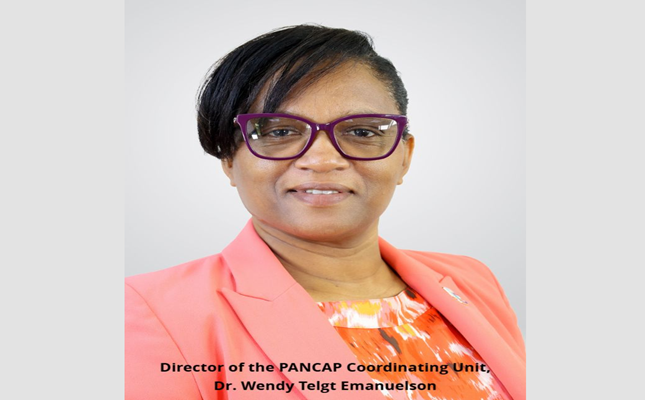
In a landmark win for Caribbean public health, the Pan Caribbean Partnership against HIV and AIDS (PANCAP) has officially congratulated The Bahamas on securing formal certification from the Pan American Health Organization/World Health Organization (PAHO/WHO) for eliminating mother-to-child transmission (EMTCT) of HIV. The certification was presented during a formal ceremony held on April 22, 2026, marking a major step forward in the global fight to end AIDS by 2030.
Dr. Wendy Telgt Emanuelson, director of the PANCAP Coordinating Unit, framed the achievement as the outcome of coordinated, long-term investment and shared commitment across The Bahamas’ public health ecosystem. Speaking at the certification event, she emphasized that the milestone reflects strong national leadership, tireless work from frontline healthcare workers, collaborative partnerships with global and regional health bodies, and widespread trust between families and the national health system.
“What this achievement proves is that with intentional coordination, strategic wisdom and sustained effort, even the most ambitious public health goals are within reach,” Telgt Emanuelson said. She added that The Bahamas’ success reinforces the Caribbean’s longstanding reputation as a global leader in HIV elimination efforts, demonstrating that small island states can deliver world-class public health outcomes through collaboration and determination. This win, she noted, sends a message of hope to countries across the region still working toward the same milestone.
Globally, EMTCT certification is recognized as one of the most critical public health milestones in the fight against HIV/AIDS, and a core component of United Nations Sustainable Development Goal 3. SDG 3 aims to ensure universal healthy lives and well-being, with Target 3.3 specifically calling for ending AIDS as a public health threat by 2030. The elimination framework works by ensuring all HIV-positive pregnant people receive timely testing, continuous antiretroviral treatment, and targeted care that drastically reduces the risk of transmitting the virus to their children during pregnancy or childbirth, resulting in HIV-free infants.
With this latest certification, The Bahamas becomes the 11th member state of the Caribbean Community (CARICOM) to reach the EMTCT milestone, joining a regional cohort that includes Anguilla, Antigua and Barbuda, Belize, Bermuda, the Cayman Islands, Dominica, Jamaica, Montserrat, Saint Kitts and Nevis, and Saint Vincent and the Grenadines. It also becomes only the third PAHO member country in the Americas to earn the distinction, following Cuba — the first country in the world to receive global EMTCT certification — and Brazil.
Bahamas Minister of Health & Wellness Dr. Michael R. Darville called the certification a testament to the strength and equity of the country’s national health system. He attributed the success to a deliberate, disciplined, and well-executed public health strategy that prioritized maternal and child health across every level of care.
“From our local antenatal clinics to hospital delivery wards, from community health centers to national reference laboratories, this outcome is a reflection of the consistency, discipline and professionalism of our entire healthcare workforce,” Darville said. “It is a national achievement that speaks both to the strength of our health system and to the vulnerable lives it protects every day.”
According to PAHO/WHO assessments, The Bahamas reached the milestone by pioneering a comprehensive, inclusive public health model centered on universal access to antenatal care for all pregnant people. Key components of the strategy include a robust integrated laboratory network, a rigorous two-step testing protocol that screens patients at their first antenatal visit and again in the third trimester, and close coordination between the country’s national Maternal and Child Health programme and the National Infectious Disease Programme, which oversees HIV and sexually transmitted infection prevention and treatment.
Telgt Emanuelson highlighted the outsized leadership of two key figures in the achievement: Dr. Nikkiah Forbes, director of The Bahamas’ National HIV/AIDS and Infectious Disease Programme and chair of PANCAP’s Advisory Coordinating Committee, who led both national and regional efforts to advance EMTCT, and Sandra Jones, technical advisor at the PAHO/WHO Caribbean Office, whose years of dedicated on-the-ground support to countries across the region was called “invaluable” to this progress. She also reiterated PANCAP’s gratitude for PAHO/WHO’s sustained leadership and cross-border partnership in supporting Caribbean countries to reach and maintain these critical public health gains.
Even as stakeholders celebrated the landmark achievement, leaders emphasized that the work of ending AIDS is far from over. Telgt Emanuelson noted that continued, consistent investment in maternal and child health services, routine testing, accessible treatment, and prevention programming remains essential to protect current gains and ensure no mother or child is left behind in the elimination agenda.
“While we celebrate today, we know the work must continue,” she said. PANCAP, she confirmed, remains fully committed to partnering with The Bahamas and all its member states to advance the shared global goal of ending AIDS as a public health threat by the 2030 target date.