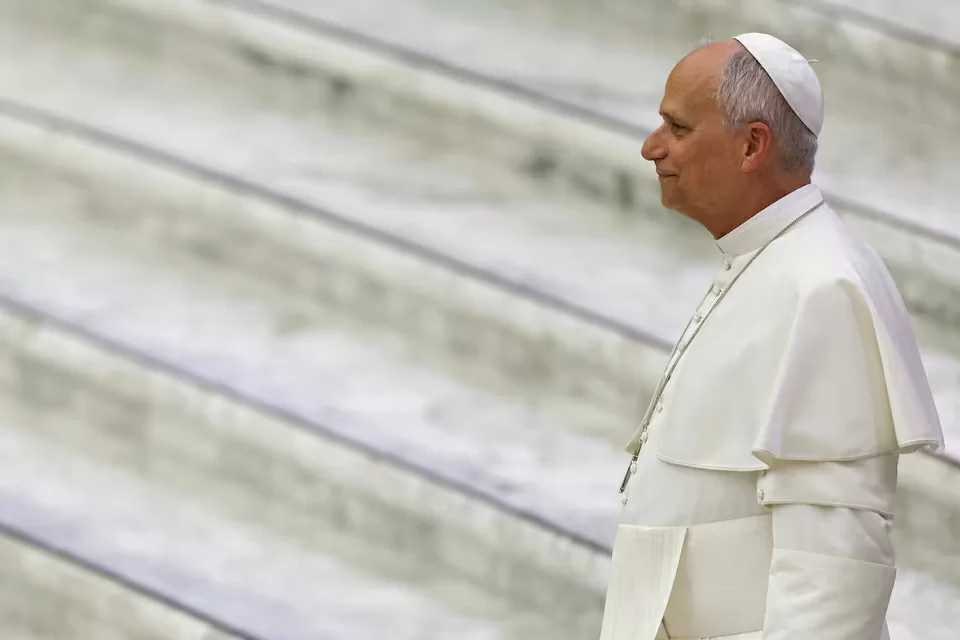
On the 40th anniversary of the Chernobyl nuclear disaster, Pope Leo XIV delivered a sharp, wide-ranging address criticizing armed conflict, the exploitation of Earth’s natural resources, and the unregulated risks of nuclear power, speaking from the Vatican during his weekly Sunday address following the Angelus prayer.
The 1986 Chernobyl accident, still recognized as the worst nuclear catastrophe in human history, occurred on April 26 when a safety test gone wrong triggered an explosion at the Chernobyl Nuclear Power Plant’s fourth reactor. A massive cloud of radioactive material spread across much of Europe, leaving a devastating and long-lasting legacy: it caused thousands of excess cancer cases and other chronic health conditions, forced tens of thousands of residents to permanently abandon their homes, and left the vast majority of the surrounding region uninhabitable to this day.
This year’s global commemorations of the disaster are taking place against a uniquely tense backdrop, as the ongoing four-year conflict between Ukraine and Russia has sparked widespread, persistent fears that fighting near Ukraine’s existing nuclear facilities could spark a second catastrophe on par with the 1986 disaster.
In his address, Pope Leo framed the Chernobyl accident as a permanent warning to global conscience about humanity’s reckless pursuit of increasingly powerful, unregulated technologies. He called for wisdom and accountability to guide policy decisions at every level of governance, saying, “I hope that at all decision-making levels, wisdom and responsibility will always prevail, so that atomic energy can always be deployed to support life and peace.”
Drawing on the day’s Gospel reading, which centers on the metaphor of a thief who steals sheep, Pope Leo argued that “thieves” who rob the world of a peaceful future take many forms. Beyond open conflict and resource exploitation, he named consumerism-driven superficial lifestyles, systemic prejudice, and harmful ideologies as additional threats to collective well-being. “And let us also not forget those thieves who, by plundering the earth, waging bloody wars, or nurturing evil in whatever form, take from all of us the chance for a future of peace and serenity,” he added.
Pope Leo, the first American to hold the papacy, has drawn sharp criticism from former U.S. President Donald Trump for his increasingly forceful public stances against war and authoritarian rule, a conflict that has drawn global attention to the Vatican’s evolving role in contemporary international politics.