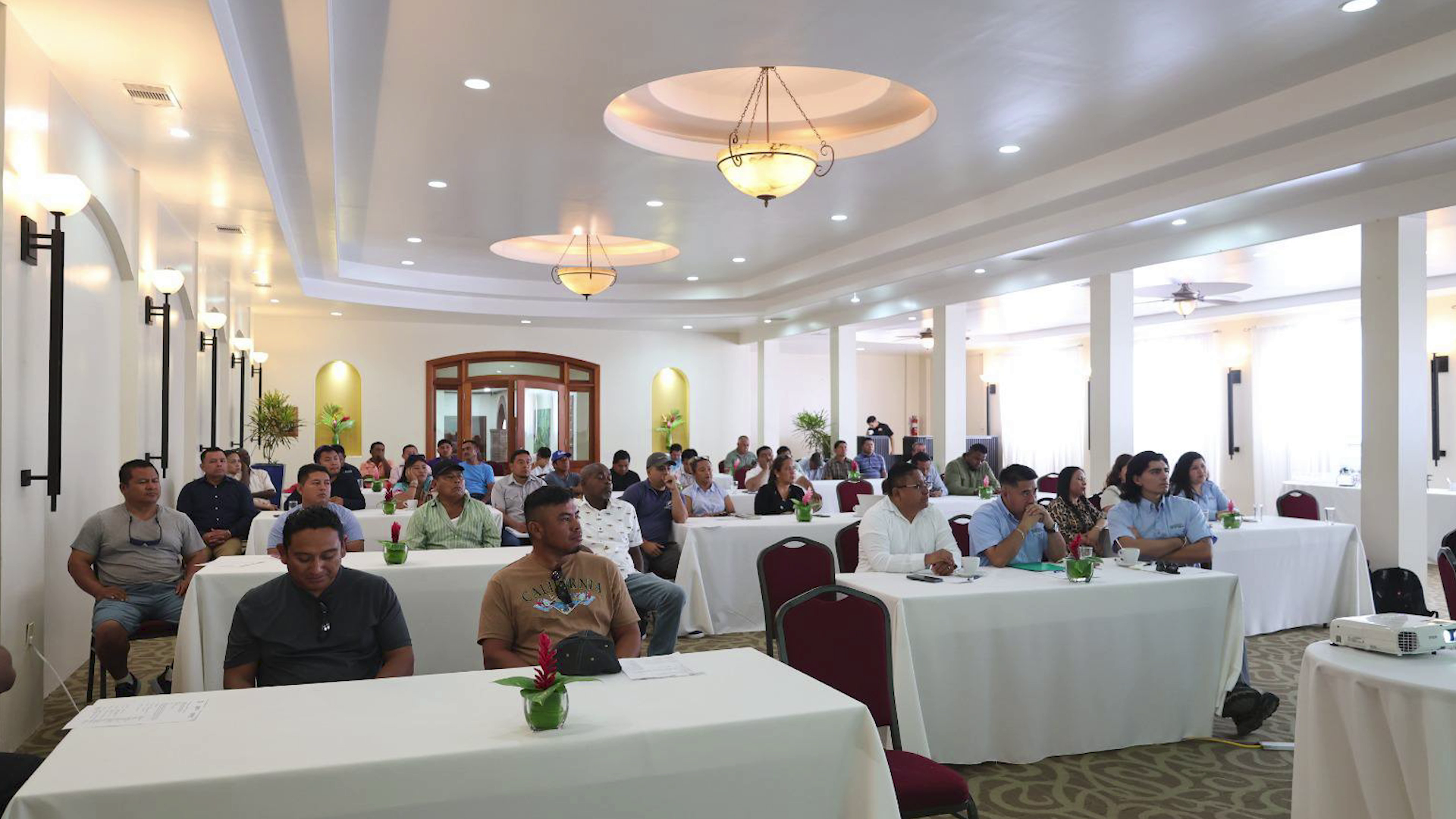
As small rural communities across Belize face steadily rising water demand driven by population growth, shifting economic activity, and a changing climate, the country has wrapped up the foundational planning phase for a major initiative to protect long-term access to clean, reliable drinking water for these populations.
Led by the Belize Social Investment Fund (BSIF), the cross-partner project has completed all community and technical consultations for a first-of-its-kind targeted water demand study focused exclusively on 21 rural villages that have historically faced gaps in water infrastructure planning. The study moves far beyond basic current supply checks: it combines on-the-ground usage data collected in partnership with local stakeholders with long-term projections to ensure new infrastructure will meet community needs for decades to come.
Unlike many infrastructure projects that size systems only for current population levels, this initiative built collaboration into every step of the process. BSIF worked hand-in-hand with the University of Belize, the Ministry of Rural Transformation, and local Village Water Boards to collect accurate, community-specific data. Village Water Boards, which manage local water systems on the ground, contributed critical local insight that shaped the scope and design of the plan, ensuring it addresses on-the-ground priorities rather than top-down assumptions.
Rico Nurse, project coordinator at BSIF, explained that the study’s multi-factor projection model accounts for far more than just population growth. “The consultation allowed the University of Belize to determine current water consumption across these 21 villages, then apply projections that factor in population growth, expanding economic activity, and the impacts of climate change to estimate water demand 5, 7, and 10 years from now,” Nurse said. This data directly informs the sizing of water disinfection equipment that will be installed under the project, eliminating the common pitfall of underbuilding infrastructure that becomes obsolete within a few years of completion.
“This gives us certainty for the public investment we’re making on the ground,” Nurse added. “We can be confident the equipment capacity will match the needs of these communities long into the future.”
The finalized plan will roll out in phased implementation starting in the coming months, with full completion of infrastructure deployment targeted for mid-2027. The project represents a proactive approach to rural water security, addressing future challenges today to avoid service disruptions and unsafe drinking water shortages as Belize’s rural populations evolve.