A flagship energy reform initiative meant to modernize New Providence’s power grid has collapsed less than two years into a 25-year public-private partnership, leaving behind swirling questions about millions in investment, looming legal risks, and shifting government control that Bahamian officials have declined to address publicly.
At the center of the unraveling is the exit of Island Grid, a firm led by U.S. energy executive Eric Pike, from the grid management partnership with Bahamas Grid Company. The project was long billed as a cornerstone of the Bahamas government’s agenda to upgrade the country’s aging energy infrastructure and boost grid reliability for consumers across New Providence.
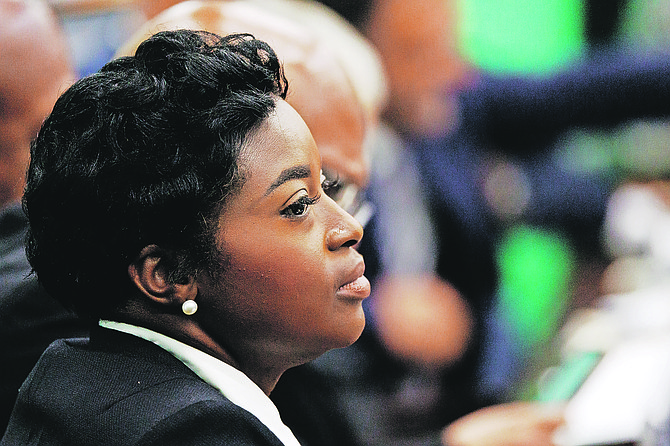
When pressed by reporters this week to explain why the partnership fell apart, Energy and Transport Minister JoBeth Coleby-Davis refused to offer any additional detail beyond a vague reference to a previously released government statement. “We spoke to it and a statement went out,” she told reporters, cutting off all further questions on the matter.
In its official statement released Wednesday, the Bahamian government attempted to frame the sudden shakeup as a planned transition rather than a collapsed deal, emphasizing that the partnership’s foundational phase had been completed ahead of a shift to full local leadership. Officials moved quickly to reassure the public that the ownership of critical transmission and distribution assets has not changed, and that the transition to a Bahamian-led management team is a welcome development.
The government announced the appointment of Dareo McKenzie as Bahamas Grid Company’s new chief executive officer, with Gladys Fernander stepping into the role of chief financial officer. Officials confirmed that Pike remains involved only as a contractor to wrap up ongoing foundational works, including major transmission line and substation upgrades scheduled for completion at the end of May. The statement also noted that the project has already delivered tangible progress, with fewer power outages and improved overall system reliability for end users.
Despite these official assurances, concerns across the political and financial sectors have continued to grow. Opposition chairman Dr. Duane Sands warned that the messy breakdown of the public-private arrangement will almost certainly lead to a wave of litigation, pointing to unresolved questions around outstanding payments, corporate governance structures, and the unclear operational relationship between Bahamas Power & Light and Bahamas Grid Company.
Financial stakeholders tied to the project’s $111 million bond structure and $30 million in equity backing have also raised alarms, as investors still lack clear information about repayment guarantees and the long-term stability of the initiative. The collapse has already triggered a major reshuffle of Bahamas Grid Company’s board of directors: Pike and his associate Mei Shibata have stepped down, replaced by attorney Nikolai Sawyer and Super Value president Debra Symonette, joining one remaining incumbent director. Multiple other previously listed directors are no longer serving in their roles, according to industry sources.
The original 25-year agreement established a shared governance framework between the Bahamian government and private sector investors. The recent changes to leadership and board composition have only intensified ongoing scrutiny over who now holds oversight and control of the critical national energy project, with no clear answers from government officials to date.