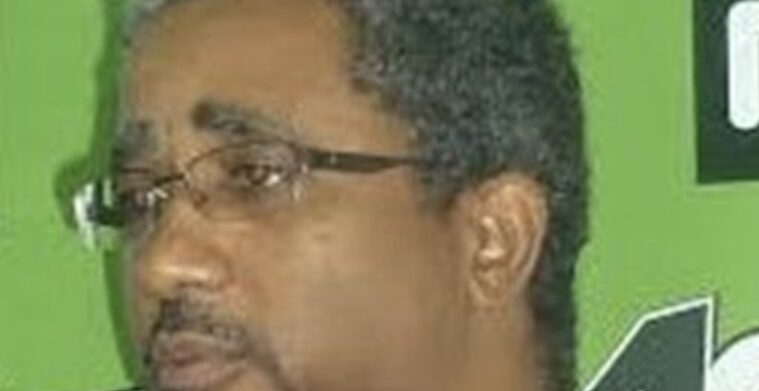
Renowned Dominican musician Cornell “Fingers” Phillip has amplified ongoing calls for comprehensive education reform in Dominica, urging authorities to bring formal music education back into the nation’s primary and secondary school curricula. Speaking on the popular local Creole Heartbeat Program, the veteran musician emphasized that music carries far more weight than a simple leisure activity—it serves as both a critical creative outlet and a foundational pillar of healthy societal development.”There is no question that we need to reinsert music into our official school curriculum,” Phillip stated during the interview. “Music shapes our moods, influences how we connect with one another, and is an inseparable part of how we raise and strengthen our communities.” He added that formal music training is deeply intertwined with Dominica’s unique cultural heritage, making it a necessary component of official in-school learning rather than an optional after-school activity.
Phillip’s advocacy aligns closely with a sweeping education reform vision put forward by Dominican Prime Minister Roosevelt Skerrit, who has made overhauling the country’s outdated education system a top policy priority. Back in May 2025, Skerrit drew widespread attention when he publicly denounced Dominica’s existing curriculum as outdated and damaging to student growth. During a press conference held on May 26 that year, the Prime Minister criticized the status quo for forcing primary school students to juggle as many as 13 separate subjects, calling the overloaded structure “ridiculous.”
To address these flaws, Skerrit has proposed a restructured, streamlined curriculum that centers on core academic subjects including English, Mathematics, Social Studies, History, and Social Science, while integrating hands-on practical skills ranging from agriculture and carpentry to art and civics. The Prime Minister argued that the current system fails to cultivate key soft skills that students need to thrive, noting: “We’re not building a culture of collaboration. We’re not building a culture of cooperation. We’re not building students with analytical skills and critical thinking and comprehension.” He stressed that a successful education system must accommodate the diverse talents and varied learning styles of all students, rather than forcing a one-size-fits-all model.
Skerrit has repeatedly highlighted the value of extracurricular activities like music and sports as core tools for fostering teamwork, communication, and creative problem-solving. He has issued a stark warning that delayed reform could put an entire generation of Dominican youth at risk, leaving them trapped in what he termed “depressing situations” within underperforming schools. The Prime Minister added that modern education must also adapt to shifting global realities, including rapid technological advancement and the growing impact of artificial intelligence, to ensure students graduate prepared for the demands of the 21st century workforce.