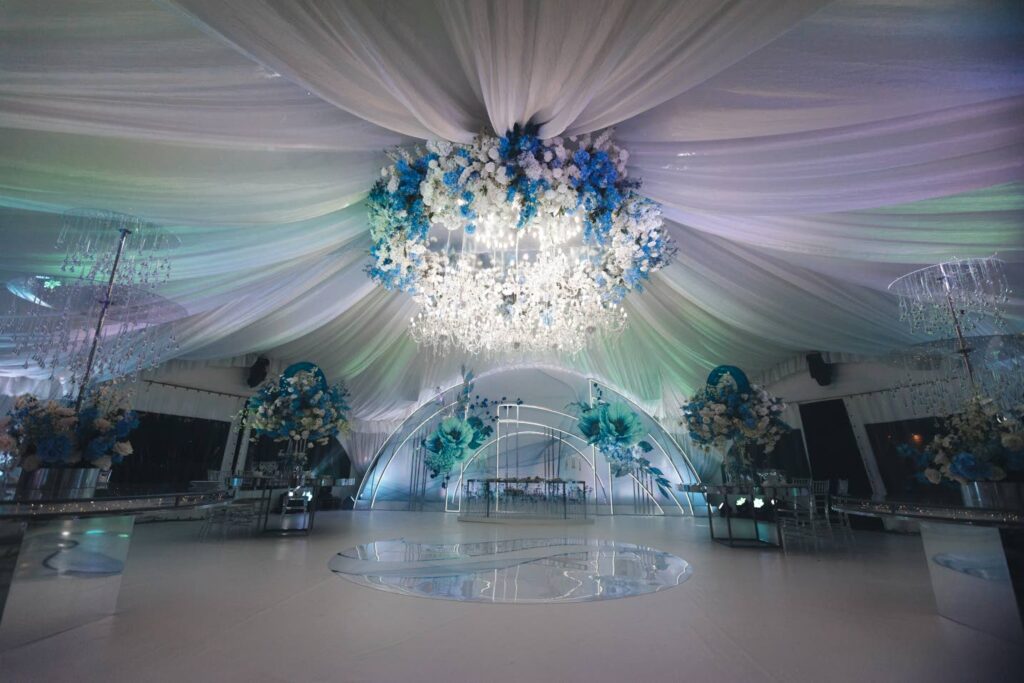
For most engaged couples, wedding planning revolves around dreaming up picture-perfect details: lush floral arrangements, the perfect wedding gown, and that memorable first dance. But according to wedding industry expert Shikima Hinds, managing director of Shikima Hinds Events Concierge, there is one unsung element that makes or break a reception’s atmosphere: a carefully crafted floor plan.
Far from just a simple arrangement of tables in a venue space, a wedding floor plan acts as the foundational blueprint for the entire celebration’s flow. It shapes how guests move, socialize, dance, dine, and interact with their surroundings throughout the event. When executed successfully, guests won’t even consciously notice the intentional layout — they will simply feel at ease, engaged, and connected to the celebration from start to finish.
### Start with the reception’s core: the dance floor
Hinds recommends beginning the layout design process by locking in the dance floor first. As the typical focal point of any wedding reception, the dance floor dictates where all other key elements should be positioned around it. Centering the layout on this hub of energy allows couples to arrange seating, lounge areas, and bars to give guests easy access to views of speeches, access to music, and the ability to jump onto the dance floor the second they feel inspired to dance.
### Map the full guest journey from start to finish
A strong floor plan accounts for every critical element of the event, not just guest seating. Couples need to map the full guest experience, marking clear locations for entrances, the DJ or live band space, bars, buffet stations, dessert displays, and the natural movement patterns guests will follow through the night. When the layout makes navigation intuitive for guests, the entire event automatically feels more relaxed and enjoyable for everyone in attendance.
### Mix table shapes for dynamic, functional design
Uniform tables do nothing to elevate a reception space, Hinds notes. Mixing different table shapes and sizes creates a far more dynamic and functional layout. Rectangular tables work well to anchor distinct sections of the venue, while round tables foster a softer, more conversational atmosphere for guest groups. The key is striking the right balance: too many identical tables create a stiff, rigid feel, but a thoughtful mix adds visual interest while comfortably accommodating different party sizes.
### Prioritize breathing room for comfort and service
Just because a table is manufactured to seat 10 guests does not mean couples need to squeeze 10 people around it. Hinds suggests seating eight guests at a 10-person table to create extra elbow room, keeping guests comfortable throughout the wedding dinner. Extra space also streamlines service: servers need clear pathways between tables to navigate with food trays, and guests should be able to stand from their seats without bumping into neighboring chairs or large centerpieces.
### Tailor seating to your guests’ personalities and needs
Where guests are seated matters just as much as how the space is arranged. Close family members or friends who love dancing will appreciate being seated close to the dance floor, while older guests or guests who prefer quiet conversation will enjoy seating further from loud speakers and high-traffic areas. A great layout accounts for individual comfort, existing relationships, and the unique personalities of everyone on the guest list.
### Build clear, natural pathways to avoid congestion
Well-designed floor plans let guests move freely around the venue. Wide walkways between table groupings, clear routes to the bar, and extra open space around the dance floor all prevent frustrating crowding. Constantly bumping into chairs or squeezing past packed tables disrupts the evening’s flow, but a intentional layout makes movement feel completely seamless.
At the end of the day, the best wedding floor plans feel natural. Guests should move smoothly from cocktail hour to dinner to open dancing without confusion or delay. When the bar is easy to locate, the dance floor feels welcoming, and seating arrangements encourage meaningful conversation, the entire celebration unfolds effortlessly. A great floor plan is about far more than placing tables — it is about curating a full experience where every guest feels included in the celebration, from the opening toast all the way to the final dance.
This expert insight comes from Shikima Hinds, Managing Director of Shikima Hinds Events Concierge. Hinds can be reached at 876-925-4285, 876-361-0910, via email at shikima@shikimahinds.com, or through her website www.shikimahinds.com.