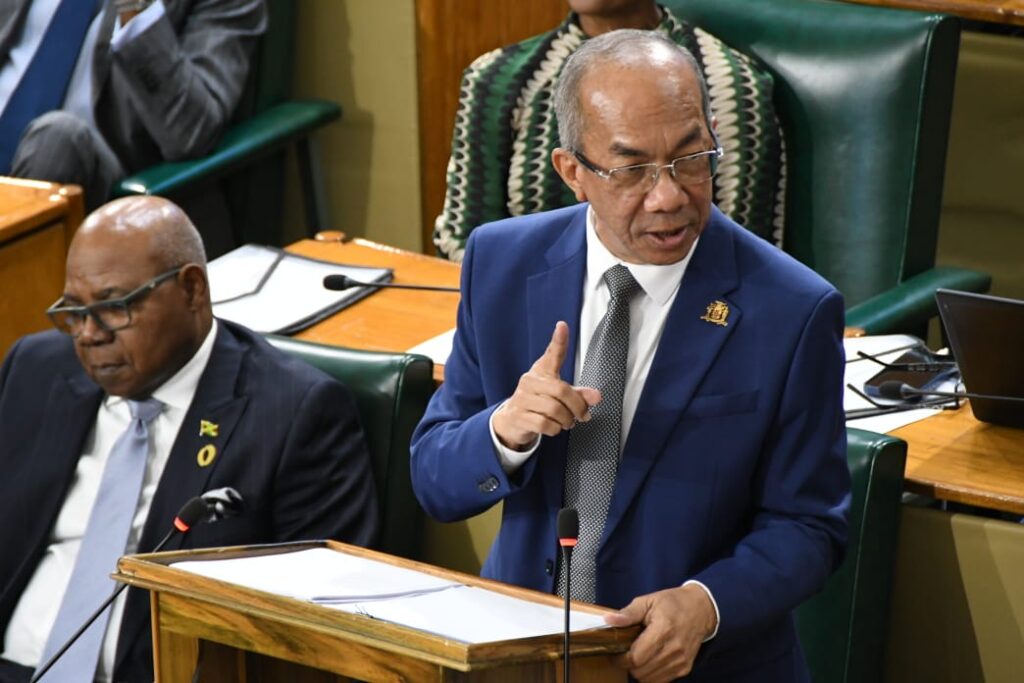
KINGSTON, Jamaica — Fresh data released by Jamaica’s top security official has upended common assumptions about citizen participation in crime fighting, revealing that a staggering 94% of Jamaicans who share actionable information leading to the arrest and charging of criminal suspects decline any offered financial compensation. The revelation was made public Tuesday by Minister of National Security and Peace Dr. Horace Chang during his opening address for the 2026/27 Sectoral Debate held at Gordon House, Jamaica’s seat of parliamentary governance.
Chang told assembled legislators that while total payouts to tipsters have surged nearly tenfold over the past 10 years, a trend many might misinterpret as growing dependence on financial incentives to encourage public cooperation, the actual share of tip-seekers who accept payment tells a far more encouraging story. “The data tells a powerful story about the role of our citizens in making Jamaica safer,” Chang emphasized during his address.
Against widespread expectations that financial rewards would be a primary driver for public engagement, only 6% of Jamaicans who come forward with critical crime-related information actually request and accept payment for their contribution. That leaves 94% of cooperating citizens choosing to act without any financial compensation, a statistic Chang framed as a defining marker of grassroots commitment to public safety across the island.
“This is not about money,” Chang stressed. “It is about patriotism. It is about trust. It is about citizens taking a stand for their communities.” The minister went on to frame the high rate of uncompensated cooperation as a milestone worth celebrating, noting that the growing partnership between ordinary Jamaicans and law enforcement marks one of the clearest indicators that the country is not only becoming safer, but that safety improvements are being driven by the communities most affected by crime. “This is something we must celebrate. This partnership between citizens and law enforcement is one of the strongest signals that Jamaica is not only becoming safer, but that Jamaicans themselves are leading that change,” he added.