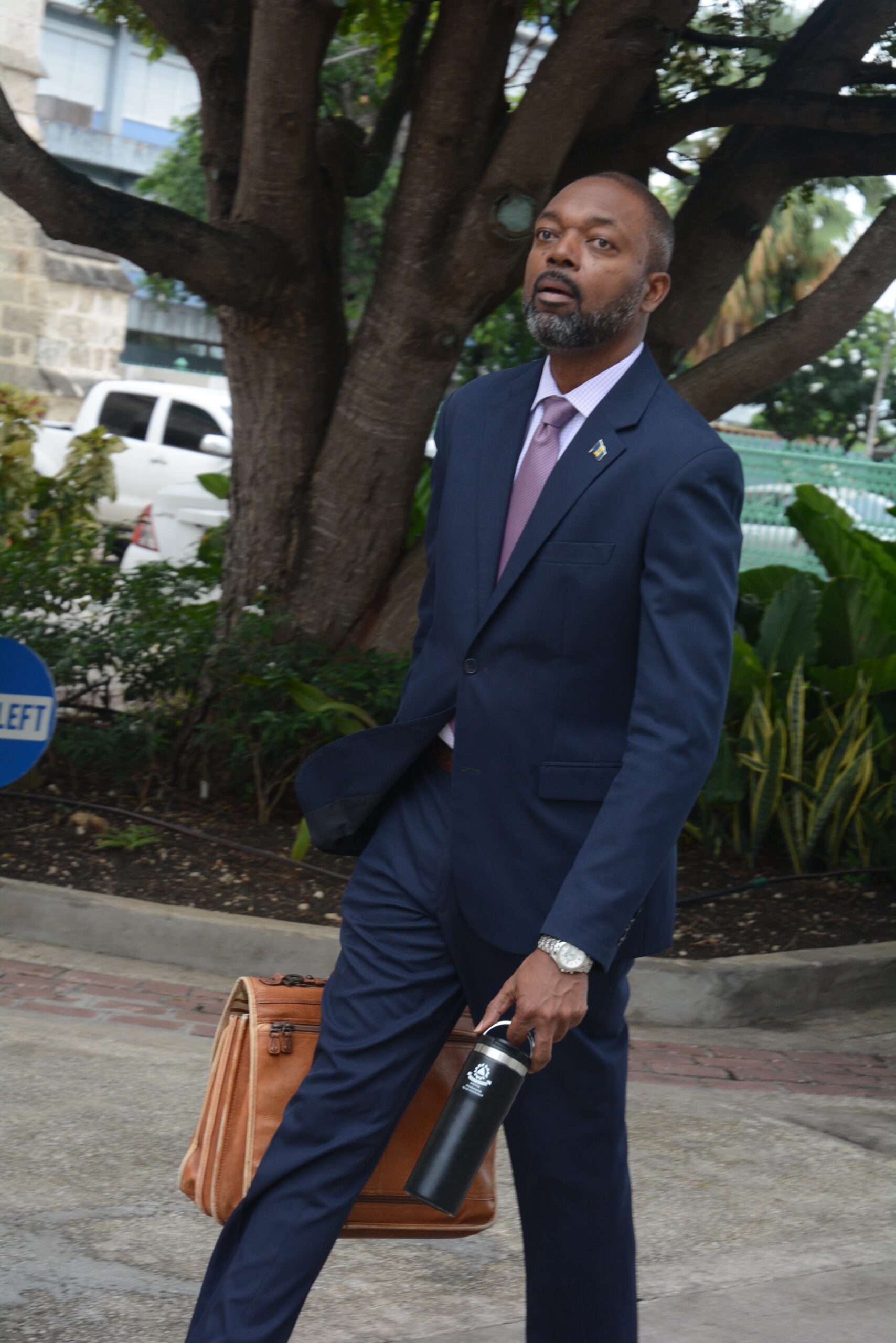
As Caribbean nation Barbados moves rapidly toward becoming a super-aged society, a senior government official has publicly highlighted the crippling financial burden of long-term elderly care that is pushing some desperate families to leave their elderly relatives at public hospitals after discharge. St. Peter Member of Parliament and Minister of Labour, Social Security and the Third Sector Colin Jordan shared these insights during parliamentary debate on the proposed Older Persons (Care and Protection) Bill, drawing on both direct conversations with struggling caregivers and his own personal experience caring for his late mother.
Jordan told the House of Assembly that over the past four months, he has gained a new on-the-ground understanding of the harsh economic realities many Barbadian households face when caring for aging relatives. He cited one firsthand account from a family member who admitted to abandoning their elderly mother at Queen Elizabeth Hospital (QEH) following her medical discharge, after being caught in an impossible financial trap. If the family member stopped working to provide full-time care at home, they would lose their only source of income to cover living costs. If they stayed at their job, their salary was still too low to afford a professional in-home caregiver to take on the responsibility.
The minister was careful to emphasize that his comments are not intended to justify or normalize the abandonment of elderly people at medical facilities. Instead, he said, it is long past time for policymakers and the public to acknowledge the steep financial barrier that stands between many well-meaning families and the care their older relatives need.
Jordan drew on his own family’s experience to underscore the severity of the cost crisis, noting that he and his family were able to provide 24-hour in-home care for his mother until her passing only because he had the financial means and his mother received a sufficient pension. Without those advantages, he said, they would have been unable to deliver the level of care they wanted to give her. 24-hour professional care, he explained, comes with a prohibitively high price tag for most ordinary working households.
“For those who want to take care of their elderly parents or other relatives, there is a significant cost, and that is one that we have to come to grips with and continue to find avenues where we can provide the care that our older people need, that they deserve, that they have earned through their work and their contribution to our society,” Jordan told the chamber.
The minister also reminded fellow legislators that Barbados is on the cusp of being classified as a super-aged country, a demographic shift that makes systemic reform of elderly care infrastructure and financing an urgent priority. In an aging society, the question of how to deliver accessible, affordable high-quality care for older people becomes one of the most critical policy and social challenges a nation faces, he added. Beyond legislative changes, Jordan said the country needs a broader national conversation about the value of older Barbadians and individual and collective responsibility for caring for the aging population.
The proposed Older Persons (Care and Protection) Bill, which is currently under review by the House of Assembly, aims to update legal and institutional frameworks to better protect and care for Barbados’ growing elderly population.