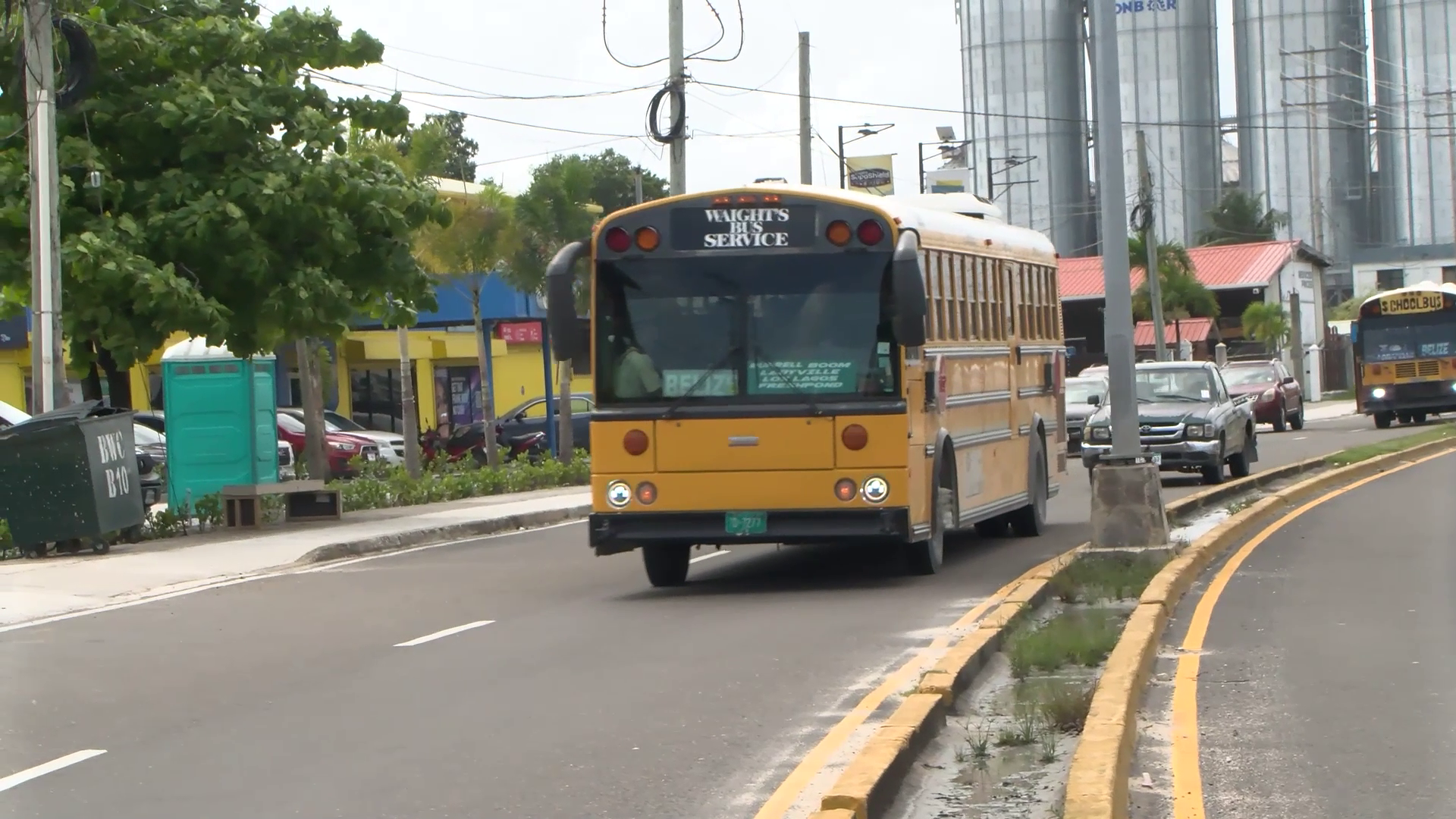
In a last-minute breakthrough that defuses a week-long standoff that threatened to paralyze intercity public transit across Belize, the national Cabinet has formally approved a new tiered bus fare system, persuading the Belize Bus Association (BBA) to call off a planned strike that would have disrupted travel for thousands of daily commuters.
The agreement comes after weeks of mounting pressure from bus operators, who have long argued that outdated fixed fare rates left them unable to cover rising operating costs. Following urgent formal requests from the BBA, Cabinet stepped in to broker a solution that balances the financial needs of service providers with the economic realities of ordinary commuters, avoiding sudden, across-the-board price hikes that would have strained household budgets.
Transport Minister Dr. Louis Zabaneh explained that the final policy was shaped by detailed negotiations that weighed both operating expenses for bus companies and the potential financial impact of fare increases on the traveling public. Rejecting a proposed flat rate increase that would have burdened all riders equally, policymakers settled on a three-tiered structure designed to deliver transparency and fairness for both drivers and passengers.
Under the new framework, three service levels will carry distinct per-mile rates: standard regular bus service will be priced at $0.18 per mile, express service will cost $0.20 per mile, and a newly created premium service will be set at $0.22 per mile. The premium tier will come with strict service standards to justify the slightly higher cost: operators offering premium service must use buses no older than seven years, provide spacious bucket seating, on-board Wi-Fi, and operate nonstop routes between major municipalities and high-density population centers.
Despite the formal approval of the new fare structure, the changes will not go into effect immediately. Minister Zabaneh noted that transport officials still need several additional days to finalize the detailed pricing for individual routes, round all final fares to the nearest $0.25 for customer convenience, and confirm that every existing stop along intercity highway routes is properly accounted for in the new pricing model.
The new fares will apply exclusively to intercity highway routes operated by BBA and National Bus Company (NBC) members, including service for large communities located along these intercity corridors. Zabaneh added that government teams are working closely with BBA leadership and the NBC to ensure all route details are incorporated correctly before the new system launches.
For the BBA, the approval marks the end of a nearly two-decade long campaign to update the country’s fare structure and create a more equitable operating environment for independent and association bus operators. With the strike now called off, stakeholders and commuters alike are turning their attention to the rollout of the new system, waiting to see how the tiered model will function in daily practice across Belize’s transit network.