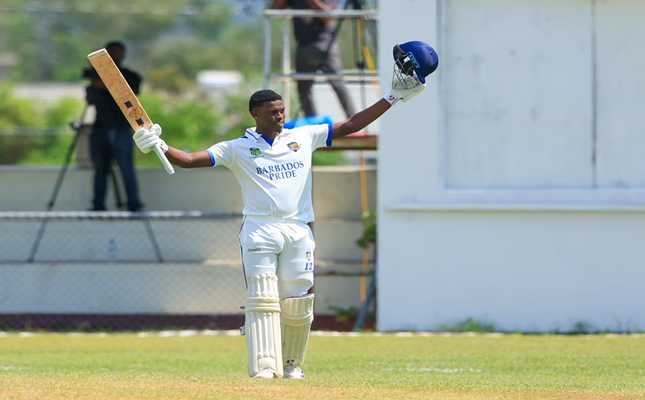
The 2026 edition of the West Indies Championship kicked off its opening day of play on Sunday, launching a restructured tournament that has sparked measured anticipation across all competing franchises’ coaching and management teams, based in St John’s, Antigua. Unlike previous iterations of the regional elite cricket tournament, this year’s competition introduces a revamped structural framework: each side will compete in a three-match bilateral series against opponents, with the top-ranked team by cumulative points earning an automatic berth in the tournament final. The second and third-place finishers will face off in a knockout playoff to claim the remaining final spot.
Three-time consecutive defending champions the Guyana Harpy Eagles return to the pitch as one of the tournament’s strongest title contenders. Ryan Hercules, the franchise’s head coach, emphasized that the newly implemented format injects fresh competitive tension into the tournament, pushing players to raise their overall performance standard. “For our franchise, every competitive opportunity is a chance to integrate and develop emerging young talent into our core setup as early as possible,” Hercules explained. “With a condensed match schedule this year, players will need to adapt rapidly to the new rhythm and make the most of this narrow window to deliver standout results.”
Kenroy Peters, head coach of the Windward Islands Volcanoes, expressed guarded optimism about his squad, noting that the team was constructed around a long-term sustainability strategy. “Our selection process prioritizes roster continuity, and we recognize the need to give young players who cut their teeth with the Academy and Combined Campuses & Colleges teams the chance to compete at this level for the Windwards,” Peters said. “We have a five-year development roadmap in place, and this tournament is a key milestone in that plan. The young players we’ve trusted with positions have already gotten off to an impressive start.”
Rayad Emrit, a former West Indies national team player now leading the Trinidad & Tobago Red Force as head coach, said his side is leaning on its core professional values to navigate the revised format. “Our group is fully professional, and everyone understands what is required of us. We come into this tournament with one clear goal: to advance to the later stages. But to get there, we have to focus on one match, one day at a time,” Emrit stated.
For the Leeward Islands Hurricanes, pre-tournament preparation followed a deliberate, methodical plan, with pre-season training camps launching as early as January under the direction of head coach Steve Liburd. “We started back in January with foundational technical work, then gradually ramped up our intensity, adding net sessions and scenario-based match drills in the final month leading up to the tournament,” Liburd shared. “When you enter any elite level competition, your first goal is to win the title. Second, you want to develop players that can earn call-ups to the senior West Indies national side – that includes fringe candidates and players who lost their spots and are hungry to earn their way back.”
Coaches across multiple franchises have highlighted unforeseen benefits of the new bilateral series structure. For Peters, the format creates a unique opportunity for players to build consistent performance over consecutive matches against the same opponent. “One big advantage of this format is that you face the same opposition three times in a row, which lets players settle into a rhythm instead of adjusting to new opponents every few days. Our goal is to win this championship for the first time in our history, and our squad has the drive and determination to get that done,” Peters said.
Liburd echoed this assessment, noting that the new format closely mirrors the structure of international cricket. “Even with matches played across different venues, the bilateral setup gives you enough time to develop targeted strategies against a single opponent, just like you do in international cricket. As the series progresses, you get to test how well your game planning adapts to the opposition’s strengths and weaknesses,” he explained.
Hercules, who led Guyana to three straight titles, echoed the point that facing the same opposition repeatedly gives batters a major strategic advantage. “When you see the same bowling line-up over three matches, working with our team analyst, batters can build a clear understanding of what they will face. Even if the opposition makes a substitution, we’ve already had the chance to assess the two or three reserve bowlers they can bring in, so we can counter their threats far more quickly than we could in an older round-robin format,” he said.
Across all franchises, coaching staff agree that pre-tournament strategy and months of preparation can only set the stage for success. At the end of the day, results will depend on disciplined, clinical on-field execution from players in every match. Coaches have expressed confidence that their squads will step up and deliver on their assigned roles to compete for the regional title.