The 2026 edition of Junior Jazz, Saint Lucia’s flagship youth creative event, officially launched Wednesday at the scenic Sandals Halcyon Beach Resort, where organizers and local leaders centered two key themes: the untapped potential of the island’s creative economy and the urgent need for long-term, systemic support for young emerging artists, alongside the event’s proven power to foster inclusion for neurodiverse young people.
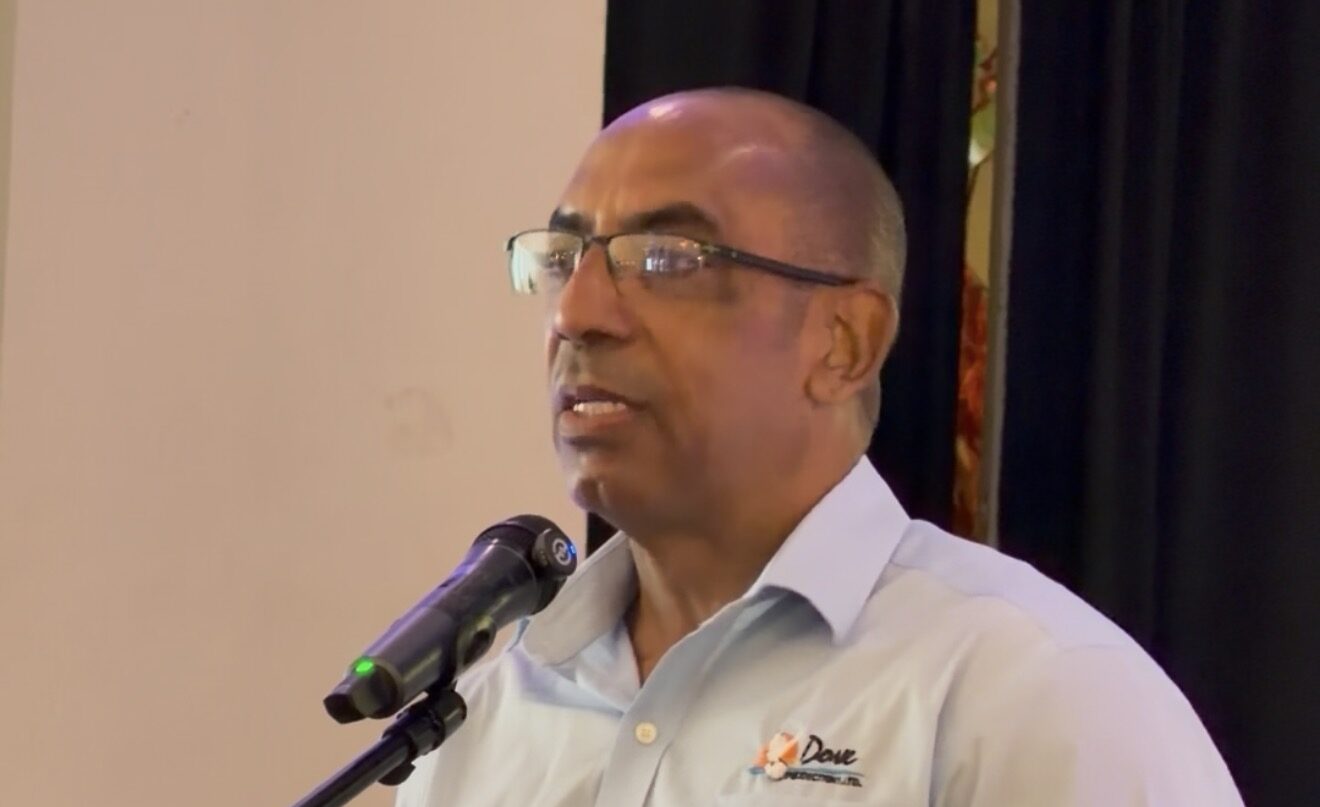
As founder of Dove Productions, the organization behind the initiative, Colin Weekes opened his remarks by celebrating Junior Jazz’s proven track record as a transformative launchpad for young creative talent across Saint Lucia. Calling the annual gathering a “brilliant event” that opens doors for youth who dream of creative careers, Weekes used his address to push stakeholders across government, private industry and the non-profit sector to look beyond the immediate success of the annual gathering and plan for long-term sustainable growth.
Drawing from his own decades-long journey in the creative sector, Weekes shared a personal anecdote to illustrate the persistent structural gaps that still hold young Saint Lucian creatives back. From the time he was a primary school student, he said, his only ambition was to work behind the camera, but when he graduated from St Mary’s College, there was no clear pathway or professional infrastructure to help him turn that passion into a viable livelihood. Today, he argued, that gap has not been fully closed.
Weekes questioned whether local and national stakeholders have built the robust, year-round support systems needed to help young creatives build lasting careers. Annual events like Junior Jazz are a critical starting point, he emphasized, but they are not enough to sustain a growing creative industry. “The creative industry cannot be left on its own,” he stated, pushing for more consistent programming, training opportunities, and professional development opportunities spread throughout the year instead of isolated, once-a-year events. “We need more than a gig. We need avenue, we need platform,” he said.
Beyond access to programming, Weekes called for broader efforts to legitimize creative careers as viable, full-time professions. A key part of this work, he noted, is building financial infrastructure that allows creatives to access loans and other financial support using their skills as collateral. “We need to be able to go to the bank and say, I am a creative and I want to use my skill to have a livelihood,” he explained, framing financial access as a critical step toward building a sustainable, independent creative sector in Saint Lucia.
Following Weekes’ remarks, Castries Mayor Geraldine Lendor-Gabriel offered a deeply personal perspective on the event’s impact, tying Junior Jazz’s mission to autism awareness and social inclusion for neurodiverse young people. As a parent of a child on the autism spectrum, Lendor-Gabriel shared how the Junior Jazz platform and access to formal music training transformed her son’s developmental journey.
When her son first started exploring music, he began learning the keyboard, but through the opportunities provided by Junior Jazz, he has since mastered multiple instruments, including bass and tenor pan. “This event and music made that difference in my son’s life,” she said, crediting both the program’s supportive community and her son’s innate passion for his rapid growth.
The mayor emphasized that her son’s success is not an isolated case, noting that countless other neurodiverse children on the spectrum hold untapped creative talent that is often overlooked in traditional academic and social settings. For young people who struggle to thrive in conventional education environments, initiatives like Junior Jazz provide a critical, welcoming space to build skills, confidence, and a sense of belonging. “There are a number of other children who are also on the spectrum who also have that gift,” she said, positioning Junior Jazz as a vital model for inclusive youth development across the island.