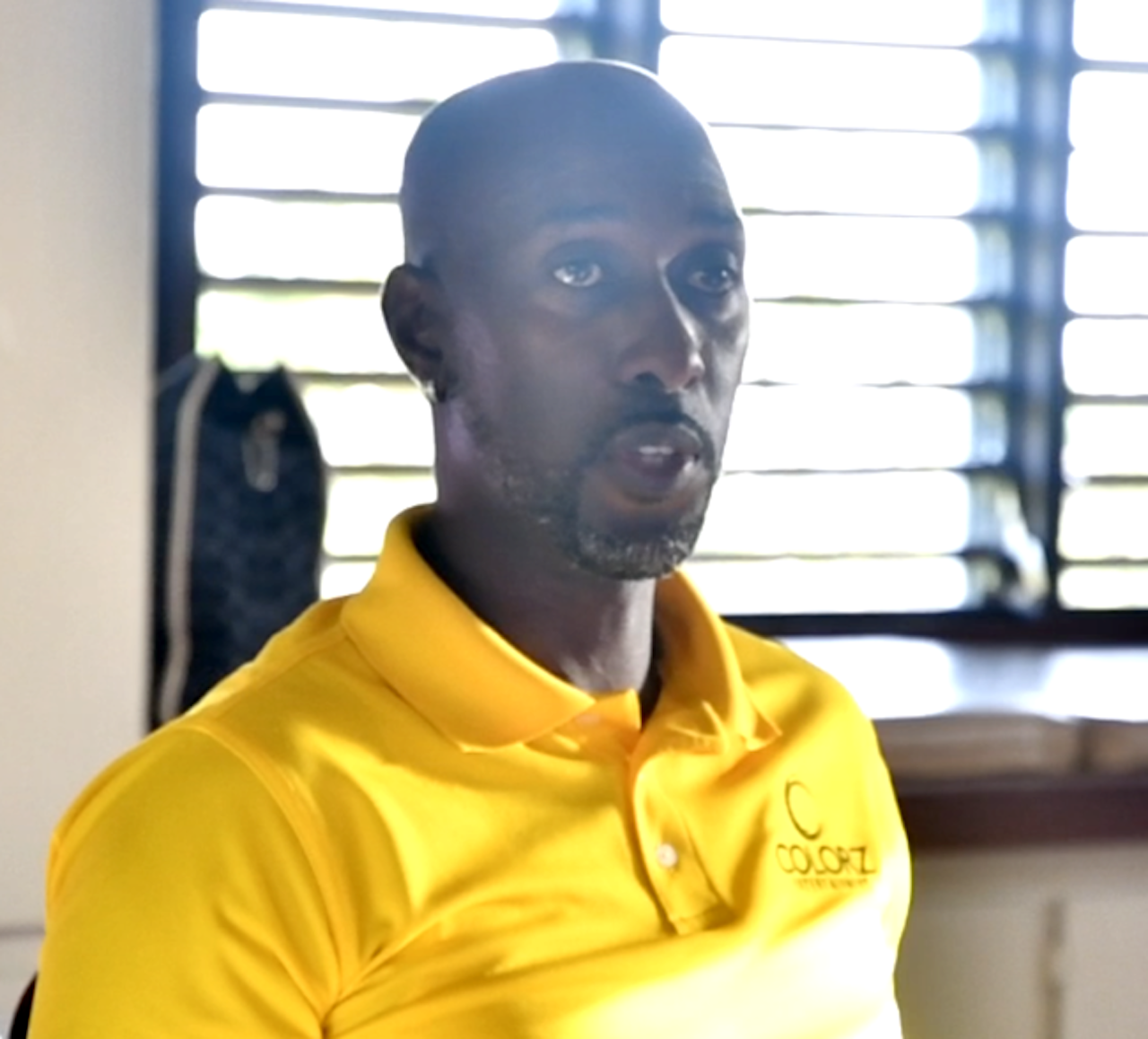
As Barbados’ beloved annual Crop Over festival approaches, a leading cultural organization is sounding the alarm over growing threats to one of the celebration’s most iconic centerpieces, calling for urgent regulatory action to safeguard the island’s cultural and tourism heritage.
Bryan Worrell, head of the Barbados Association of Masqueraders (BAM), has renewed his organization’s appeal to national cultural authorities to protect the legacy of Foreday Morning and other signature Crop Over events, amid mounting concerns that unregulated private parties are siphoning attendees away from the flagship j’ouvert celebration. These concerns are widely shared among the roughly 40 official Foreday Morning band leaders, who have formally submitted a petition to the National Cultural Foundation (NCF) and the Ministry of Culture to address the issue. Since the petition was filed, Worrell confirmed that ongoing discussions are underway to develop a formal, long-term solution to the mounting pressure on official events.
At the core of BAM’s proposal is the creation of a national registry for official cultural events on Barbados’ national calendar. Worrell argues that key fixtures including Foreday Morning, Grand Kadooment and Bridgetown Market deserve special protected status to limit direct competition from private events. He warned that the current threat to Foreday Morning is not an isolated issue: without intervention, other major Crop Over attractions could face the same erosion of attendance in coming years.
“What’s to say that in another year or two that Grand Kadooment doesn’t come under the same threat that Foreday Morning is?” Worrell posed in an interview with reporters. He emphasized that BAM’s objection centers on private events holding their activities on the exact same night as official Foreday Morning, which splits the reveller base and undermines the long-standing traditional celebration.
While much of the recent public attention has focused on Twisted Entertainment, the organizer of the popular Tipsy Music Festival that launched a competing private jump this year, Worrell stressed that the problem is systemic. Over the past several years, there has been a steady rise in the number of private foreday-style events, with another new private gathering, Stain’d, announced for this year backed by Vida by Esquire (VXE) and other local partners.
Worrell explained that two potential paths forward exist to resolve the conflict: establishing the protected national event registry, or updating national legislation to formalize protections for official cultural events. In the near term, however, BAM is focused on brokering a voluntary agreement to shift competing private events to different dates, an arrangement that would protect the livelihoods of the dozens of small businesses and band leaders that organize the official Foreday Morning celebration each year.
Addressing a common talking point from supporters of private events – claims that official Foreday Morning is unsafe for attendees – Worrell pushed back firmly, noting that there is no empirical evidence to back up these assertions. He pointed to more than a decade without any major reported safety incidents at the official event, and outlined the layered security framework that is already in place to protect participants.
“Each registered band has its own security, along with the police service, along with the BDF on the route, along with excellent lighting… ambulance services are there to respond, so we have everything in place that will make your event safe and sound,” Worrell explained.
Beyond preserving cultural tradition, Worrell emphasized that Foreday Morning is a critical economic and tourism asset for Barbados, drawing large numbers of international visitors who specifically travel to the island to experience the authentic cultural event. “That’s why we feel so strongly about it…as one of the highlighted events on the calendar that it should [have] that additional protection to ensure that it lives on,” he said.
When reached for comment on the ongoing negotiations between BAM and cultural authorities, Akil Franklin, corporate communications specialist at the NCF, declined to provide any statement on the status of talks.