Suriname is widely celebrated as a stunning cultural mosaic, where distinct religious traditions, ethnic identities, and ancestral customs intersect and coexist. Day by day, residents of the South American nation absorb influences from one another, adopt shared practices, and collectively shape a dynamic, interconnected society. Yet even in this context of inherent diversity, communities often overlook a critical truth: choosing peace and mutual understanding intentionally is more important now than ever.
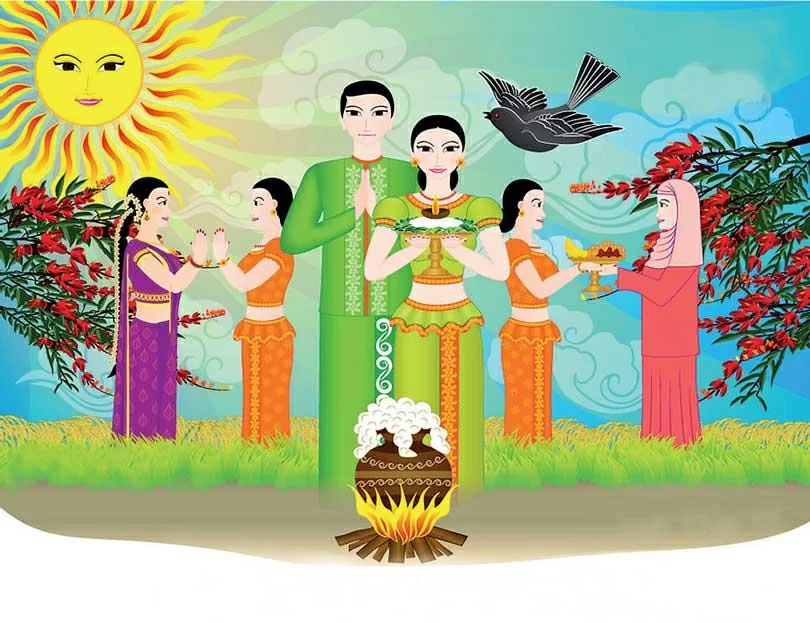
The world has much to gain from the core philosophy of the Sinhala and Hindu New Year, known as Avurudu, which is celebrated across Sri Lanka every April during the month of Bak. Far more than just a cultural holiday marking the turn of the calendar, Avurudu is an intentional invitation to pause, reflect on past divides, and pursue reconciliation – starting within the home, extending to local communities, and scaling all the way to national and global relationships.
Peace, as the tradition of Avurudu reminds us, always begins at home, in the smallest sphere of everyday life. Avurudu is a moment for family reunion, for letting go of long-held grudges, resolving lingering misunderstandings, and embracing the power of forgiveness. The family unit, where we often carry our deepest emotional wounds, must be the first place we practice peace. If harmony cannot be cultivated around the family kitchen table, it becomes far harder to build it anywhere else in the wider world.
From that small, intimate starting point, the spirit of Avurudu flows outward into neighborhoods, villages, and cities. Shared holiday rituals, traditional games, and open invitations to connect across divides lower existing tensions and create space for mutual understanding and collective collaboration. The holiday serves as a lasting reminder that all people are bound together by shared values, shared humanity, and common experiences, regardless of the cultural or religious differences that set us apart on the surface.
This message of peace also holds powerful inspiration for national and international politics. The ancient story of Buddha, who prevented a violent conflict in Sri Lanka through wisdom and radical compassion, reinforces a critical lesson: the only path to lasting, sustainable peace requires the courage to listen to others and actively pursue understanding. Peace can never be imposed by powerful actors through force; it only emerges when all parties practice mutual respect and recognize the shared humanity of every person, no matter their background.
In Suriname, where dozens of unique cultural communities live side by side, this message feels more urgent and relevant than ever. Surinamese people regularly adopt each other’s customs, vocabulary, and traditions, creating a vibrant blended culture that is a point of national pride. But this beautiful diversity also requires intentional focus on the values that bind communities together, creating space to embrace differences without fear or prejudice.
As Avurudu, Bak Poya, and Easter all demonstrate, peace is not a final destination to reach one day. It is a deliberate path that every person must choose to walk anew each day. Cultivating peace requires courage, patience, and an open heart. It demands that we look beyond our own personal interests and make space to connect with the experiences and stories of people who come from different backgrounds.
In an era marked by rising division and widespread global uncertainty, Suriname has the opportunity to build its own version of the Avurudu spirit: a widespread culture of reconciliation, where communities work together to build a future where every person feels seen, heard, and respected, regardless of their identity.
May this new year philosophy inspire people across Suriname to practice peace every day – starting at home, extending to the street, through local communities, and across the entire nation. Only through this intentional work can we build a society that is not only rich in diversity, but also deeply connected by shared commitment to mutual respect.
A special holiday greeting to Sumudu and Sachitra: Suba Aluth Avuruddak Wewa!