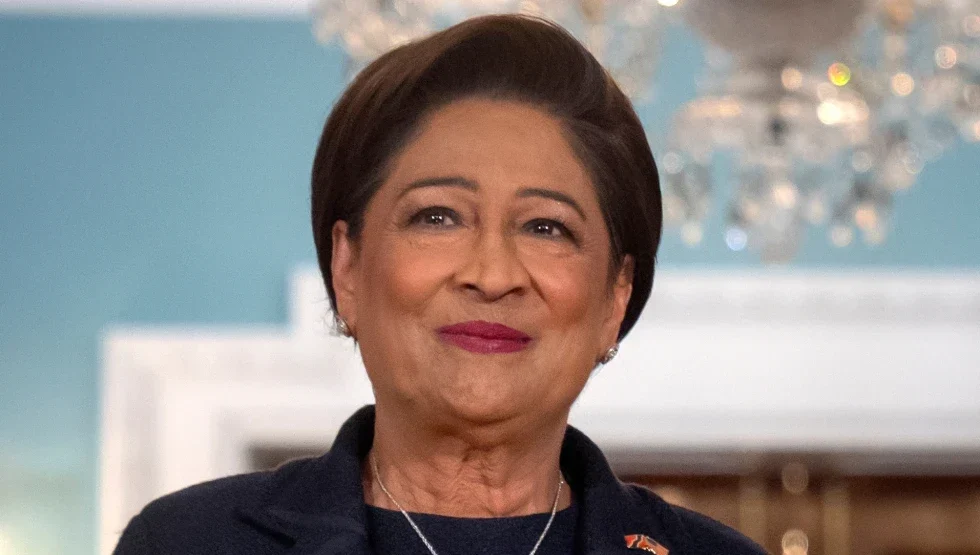
A long-simmering dispute between Trinidad and Tobago and its Caribbean Community (CARICOM) neighbors over U.S. policy toward Venezuela and international drug trafficking erupted into open diplomatic conflict on Friday, as Prime Minister Kamla Persad-Bissessar doubled down on her demand that CARICOM Secretary-General Carla Barnett leave office when her current term expires this August. The 15-member regional trade and integration bloc has been fractured by ideological rifts since late last year, when a majority of member governments publicly condemned expanded U.S. military activity in the South Caribbean and the large deployment of American forces positioned near Venezuela, launched as part of a U.S. operation targeting then-Venezuelan President Nicolás Maduro. For years, CARICOM member states have collectively endorsed the vision of the Caribbean as a formal “zone of peace,” rejecting the introduction of extra-regional great power military competition into the bloc’s neighborhood. But since winning Trinidad and Tobago’s general election one year ago, Persad-Bissessar has openly rejected this longstanding regional consensus, dismissing the “zone of peace” framework as nothing more than “zone of peace fakery.” She has positioned her administration as a firm backer of U.S. military action in the region and the U.S. campaign against transnational drug trafficking and organized crime. Her latest move targets the bloc’s top administrative leadership, where she has waged a monthslong public campaign to block Barnett’s reappointment when her five-year term concludes at the end of August. To strengthen her push, Persad-Bissessar has repeatedly emphasized Trinidad and Tobago’s outsized financial contribution to CARICOM: the nation covers roughly 22% of the bloc’s total annual operating budget, equal to approximately $20 million per year. The prime minister has made no secret of her deep frustration with the bloc’s current policy direction, stating repeatedly that she cannot understand why most regional leaders have aligned with Venezuela and the Maduro administration rather than falling in line with the U.S. position. In a 2025 statement released as the U.S. ramped up preparations for its action against Maduro, Persad-Bissessar claimed that “CARICOM has chosen to support the Maduro narco-government through the fake zone of peace narrative.” Her comments came as multiple CARICOM governments raised formal complaints over the civilian casualties and alleged legal violations linked to deadly U.S.-aligned boat strikes in regional waters. Persad-Bissessar’s unyielding pressure ultimately forced CARICOM leaders to convene an emergency closed-door meeting on Friday to address the contentious question of Barnett’s reappointment, bringing the months of behind-the-scenes friction into full public view.