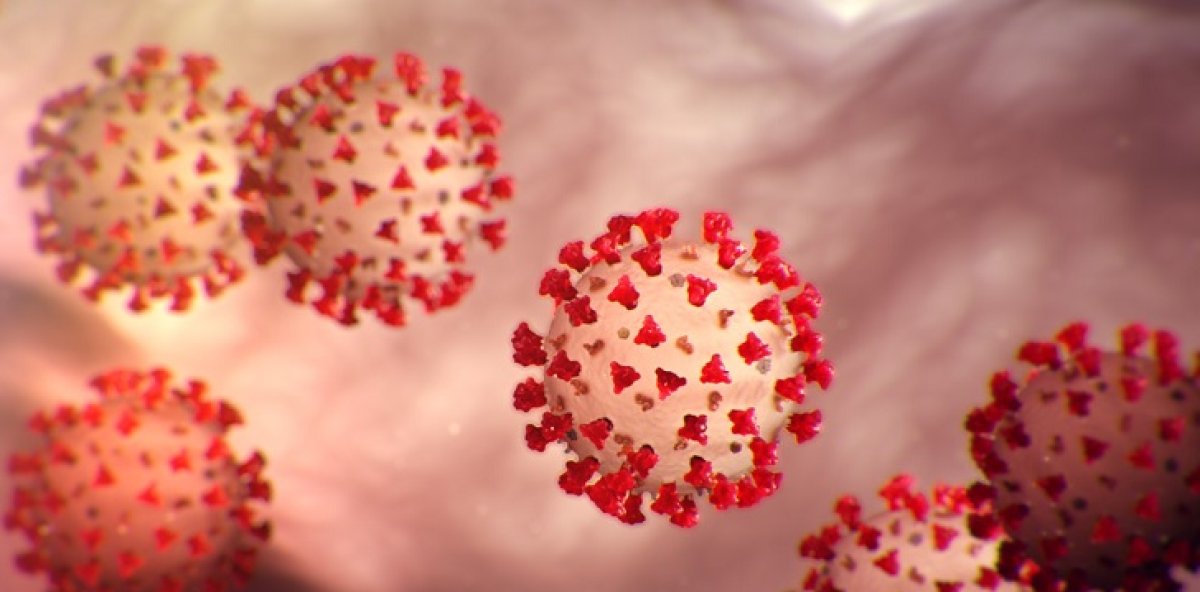
The Dominican Ministry of Health has issued an official update confirming that as of the latest monitoring cycle, no trace of the BA.3.2 SARS-CoV-2 subvariant, nicknamed “Cicada”, has been detected circulating within the country’s borders.
Data compiled from the nation’s national sentinel surveillance infrastructure and integrated laboratory network has not returned any positive identifications of the new subvariant to date. Dominican health authorities maintain an active, continuous, and evidence-driven epidemiological monitoring framework designed to catch emerging viral variants at the earliest possible stage, enabling rapid public health response.
Looking at the broader respiratory virus landscape for 2026, health officials have recorded a sustained circulation pattern of common seasonal respiratory pathogens across the first 12 epidemiological weeks of the year. Influenza strains, specifically influenza A (including H1N1 and H3N2 subtypes) and influenza B, have emerged as the dominant circulating viruses. Pre-emptive vaccination rollout launched late last year has already been deployed to mitigate the impact of influenza B, with the goal of reducing overall disease burden across the Dominican population.
Beyond influenza, health authorities have also documented ongoing circulation of other common seasonal respiratory viruses, including adenovirus and parainfluenza. Officials note that the current pattern of multiple viruses co-circulating aligns with expected seasonal epidemiological behavior for this time of year, with no unexpected deviations detected so far.
Eladio Pérez, Deputy Minister of Collective Health, emphasized the critical role of the national surveillance system in protecting public health. “The sentinel surveillance we have implemented across the country enables us to detect respiratory events early and rapidly, including the identification of never-before-seen viral variants,” Pérez explained. “This proactive capability directly strengthens the health system’s ability to respond effectively to emerging threats.”
According to the ministry, all public health decision-making is rooted in real-time epidemiological data, pulled together from multiple sources including hospital epidemiology services, Provincial Directorates and Health Areas (DPS/DAS), and the national network of laboratories. This integrated data ecosystem ensures that policies and responses are always aligned with the actual on-the-ground situation.
To help the public protect themselves against circulating seasonal respiratory viruses, the Ministry of Health has reminded the population of core evidence-based preventive measures. These include frequent hand washing, particularly before meals and after using restroom facilities; wearing a face mask when experiencing respiratory symptoms; maintaining physical distance from others while ill; and seeking prompt medical care if any warning signs of severe illness develop.
The ministry will continue maintaining constant, close monitoring of the national epidemiological situation, working in coordination with global health organizations and aligning with international alert protocols. All ongoing efforts are focused on protecting the health and well-being of the Dominican population against emerging and seasonal respiratory virus threats.