KINGSTON, Jamaica — As the Caribbean nation continues to recover from catastrophic damage caused by 2024’s Hurricane Melissa, a leading public health entity is calling on Jamaican communities living abroad to route all philanthropic contributions to the country’s public health system through its offices, a move designed to guarantee transparent management and efficient delivery of aid.
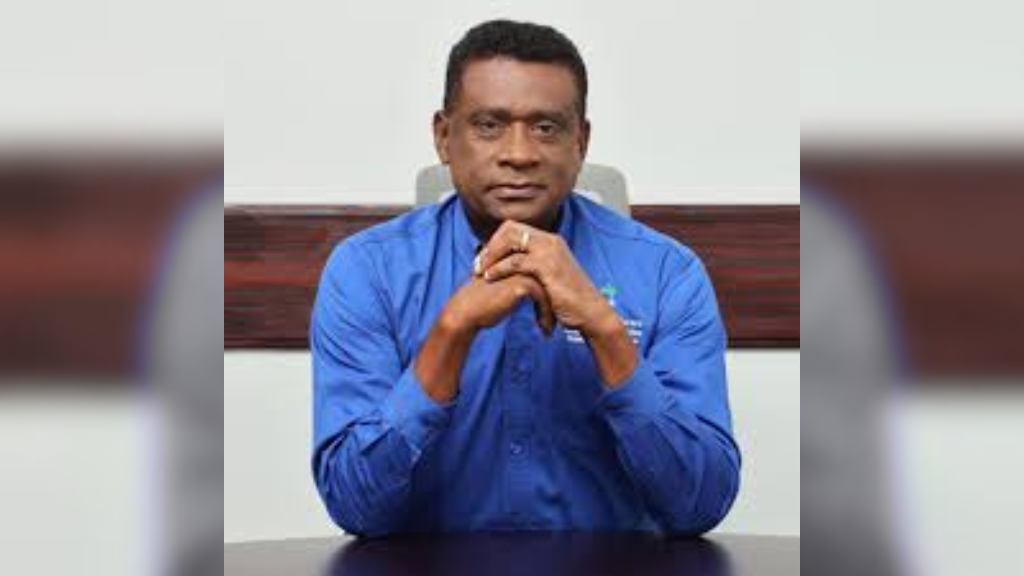
Courtney Cephas, Executive Director of the National Healthcare Enhancement Foundation (NHEF), outlined the appeal during an April 8 virtual gathering organized by Oliver Mair, Jamaica’s Consul General based in Miami.
Cephas clarified that NHEF operates as an official body under Jamaica’s Ministry of Health and Wellness, with an explicit core mandate to coordinate and administer all charitable donations intended to strengthen the country’s public health sector. He emphasized that directing contributions straight to NHEF eliminates unnecessary bottlenecks, ensuring that resources reach the intended communities and facilities without avoidable delays.
Drawing on recent experience to back up his call for centralized coordination, Cephas highlighted NHEF’s key logistical role in disaster response efforts in the months following Hurricane Melissa’s landfall last October. The foundation oversaw distribution of a large share of incoming health-related aid, from visiting medical volunteer missions to mobile field hospitals and donated supplies, working to clear shipments through customs and roll them out across the island rapidly.
He also took time to recognize the outsized impact of contributions from Jamaican diaspora communities across the southern United States, who have partnered with local health facilities through NHEF’s Adopt-a-Clinic Programme. Of the 59 health centres currently adopted by diaspora groups nationwide, 17 have received support from southern US communities, including six facilities that are funded directly through initiatives led by Consul General Mair’s office.
Cephas revealed that commitments for these six clinics add up to roughly JMD $18 million, with an additional 11 facilities supported by other southern Jamaican groups holding commitments of around JMD $30 million. In total, Jamaican communities in the southern US have contributed approximately JMD $48 million to upgrade primary healthcare infrastructure across Jamaica.
These funds have already been put to tangible use, Cephas reported: they have been allocated to purchase essential clinical tools including blood pressure monitors, patient weighing scales and sterilization autoclaves, as well as to upgrade facility infrastructure with new air conditioning, expanded medical storage spaces and more comfortable waiting areas for patients.
The scale of recovery needed remains massive, however. Cephas confirmed that Hurricane Melissa caused an estimated US$8.8 billion in total damage across Jamaica – a sum equal to 41% of the country’s annual gross domestic product. Western parishes suffered the most severe destruction, and of the 101 health centres assessed after the storm, 65 sustained major or catastrophic damage. Rebuilding efforts are currently underway, with a focus on constructing more climate-resilient facilities that can withstand future extreme weather events.
Looking ahead, Cephas outlined new avenues for diaspora engagement to support Jamaica’s health sector recovery and expansion. These opportunities include targeted adoption programmes for the health centres that were most heavily damaged by the hurricane, new projects focused on improving maternal and early childhood health services, and an upcoming initiative to expand tele-mental health access across the country.