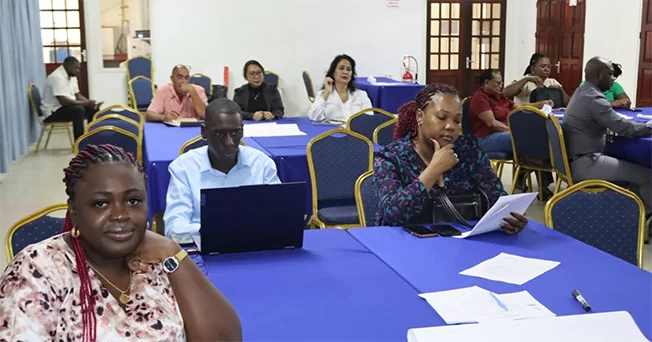
On April 7, a key milestone in strengthening national child labor protection frameworks was reached during a stakeholder validation session hosted by the Directorate of Welfare and Labor of Suriname. Participants gathered to review two draft state decrees that will formalize rules surrounding permissible light work and restricted hazardous work for children and young people across the country: the Decree on Light Work and an updated version of the Decree on Hazardous Work.
Broad consensus emerged among attending stakeholders around the urgent need to formalize these new regulations. To ensure inclusive and well-informed policymaking, stakeholders have been granted a two-week window to submit additional comments and adjustments to the draft texts. Once this public consultation period closes, the revised proposals will be forwarded to the relevant labor minister for review before ultimately being sent to the country’s president for final official approval.
The new decrees are rooted in the 2018 Law on Employment of Children and Young Persons, a foundational piece of legislation that already sets out core age-based protections. Under existing law, children between the ages of 13 and 15 are only permitted to take on light work when strict regulatory conditions are met, while young workers aged 16 and 17 are barred from accepting any form of hazardous employment. The upcoming decrees will clarify and operationalize these existing principles, filling gaps in implementation guidance.
Addressing attendees during the validation session, Deputy Minister Raj Jadnanansing emphasized that combating exploitative child labor is a shared responsibility that requires buy-in from all sectors of society. He noted that clear, enforceable regulations are non-negotiable to safeguard the health, education, and development of underage people, while policymakers must also balance these protections with the unique socioeconomic realities facing communities across the nation.