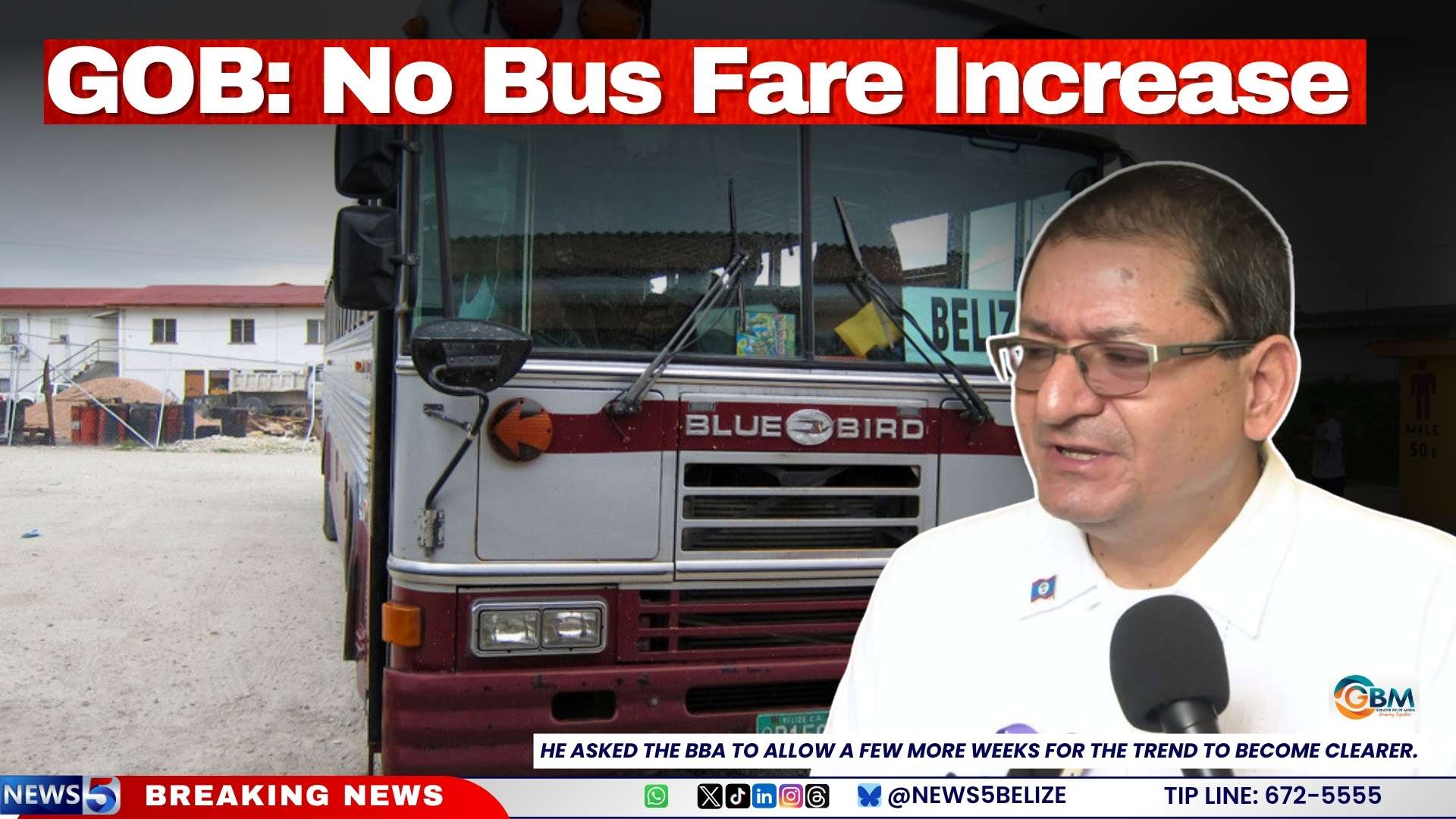
In the Caribbean nation of Belize, independent public bus operators are facing growing financial strain from skyrocketing global diesel prices, but a government decision has turned down their most immediate request for relief: a hike in passenger fares. As of April 10, 2026, Belize’s Cabinet confirmed that it will not approve any increase to bus fares for the time being, though it has left open the possibility of revisiting all of the industry’s demands if fuel costs fail to fall in the coming weeks.
The crisis stems from sustained upward movement in global fuel prices that has sharply raised operating costs for every private bus company across the country. Last month, the Belize Bus Association (BBA), the industry group representing local operators, submitted a formal letter to the Ministry of Transportation outlining the intense financial pressure climbing diesel costs have placed on their businesses. In the document, the association laid out three key requests for government intervention to ease the burden: first, a full exemption from general sales tax applied to fuel, vehicle tires, and replacement bus parts; second, emergency government financial subsidies mirroring the support programs rolled out for the transport sector during the COVID-19 pandemic; and third, official regulatory approval to raise standard bus fares to pass a portion of the higher costs onto riders.
Cabinet’s official response addressed each of these demands, drawing a clear line on the fare increase request. Government officials emphasized that allowing a fare hike would place an unacceptable additional financial burden on ordinary Belizeans who rely on public buses as their primary mode of daily transportation. For the other two requests – the sales tax exemption and emergency subsidies – the government has not issued a final ruling, instead asking the BBA and its member operators to wait for further developments in global fuel markets.
Speaking on behalf of the government, Minister of Transport Dr. Louis Zabaneh explained that the administration is closely monitoring daily fluctuations in international fuel prices to assess whether current high levels are temporary. “We are hoping it will stabilise and prices will return to some lower levels as they were a few months ago,” Zabaneh stated in his comments on the decision. “In the event we don’t have that kind of downward trend, then Cabinet is prepared to reconsider the request.” He added that the association only needs to wait a matter of a few weeks for price trends to become more clear before any further action is taken.
For independent bus operators already struggling with compressed margins and rising operating costs, the government’s delay did not resolve the immediate pressure they face. The BBA has responded by announcing it will convene an emergency general meeting with all its member operators in the near future to discuss the situation and vote on next steps for the industry.