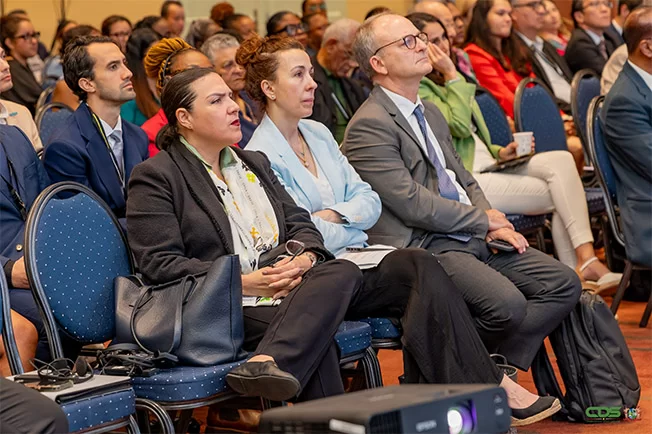
Suriname has kicked off an ambitious nationwide effort to overhaul its education system and develop its human capital, starting with a high-profile two-day education congress held earlier this month. The 2026 Education Congress, which brought together more than 25 leading international experts alongside hundreds of local policymakers, educators, and civil society stakeholders, concluded on April 9 at Paramaribo’s Hotel Torarica. The gathering is designed to lay the groundwork for two landmark policy documents: a 10-year national vision for education and human capital development, complemented by a sweeping 50-year long-term action plan to guide systemic change.
The core discussion topic uniting attendees was how Suriname can unlock the full potential of its human capital, a strategic priority as the country prepares for scaled future revenue from its emerging oil and gas sector. Insights gathered from the opening congress will form the foundation of a second, intensive working phase scheduled to run from May 25 to 29 this year. During that follow-up process, national education specialists and international advisors will collaborate to draft concrete, actionable reforms aimed at one overarching goal: guaranteeing every child in Suriname access to high-quality education and equal opportunity to thrive.
In closing remarks at the inaugural congress, Dirk Currie, Minister of Education, Science and Culture of Suriname, emphasized that broad cross-sector collaboration is non-negotiable for delivering meaningful, lasting change. Currie stressed that the reformed education system must be redesigned to rekindle children’s natural joy of learning, while equipping them with the skills and knowledge they need to succeed in a fast-changing future. He specifically highlighted the critical importance of closing opportunity gaps, noting that this work will lay the foundation for equitable, shared growth as Suriname brings new oil industry revenue online.
Enrique Ralim, Director of Sports Affairs at the Ministry of Youth Development and Sports, echoed this sentiment, reinforcing that accessible, high-quality education serves as the fundamental bedrock for both broad national development and individual personal growth. Ralim called for a fully inclusive approach to reform, one that ensures no child is left behind regardless of their socio-economic background, physical ability, or any other limiting circumstance.
Hosted in partnership with the Inter-American Development Bank (IDB), the 2026 Education Congress is widely framed as the official starting point for a years-long national process that will deliver the first major structural overhaul of Suriname’s education system in modern history.