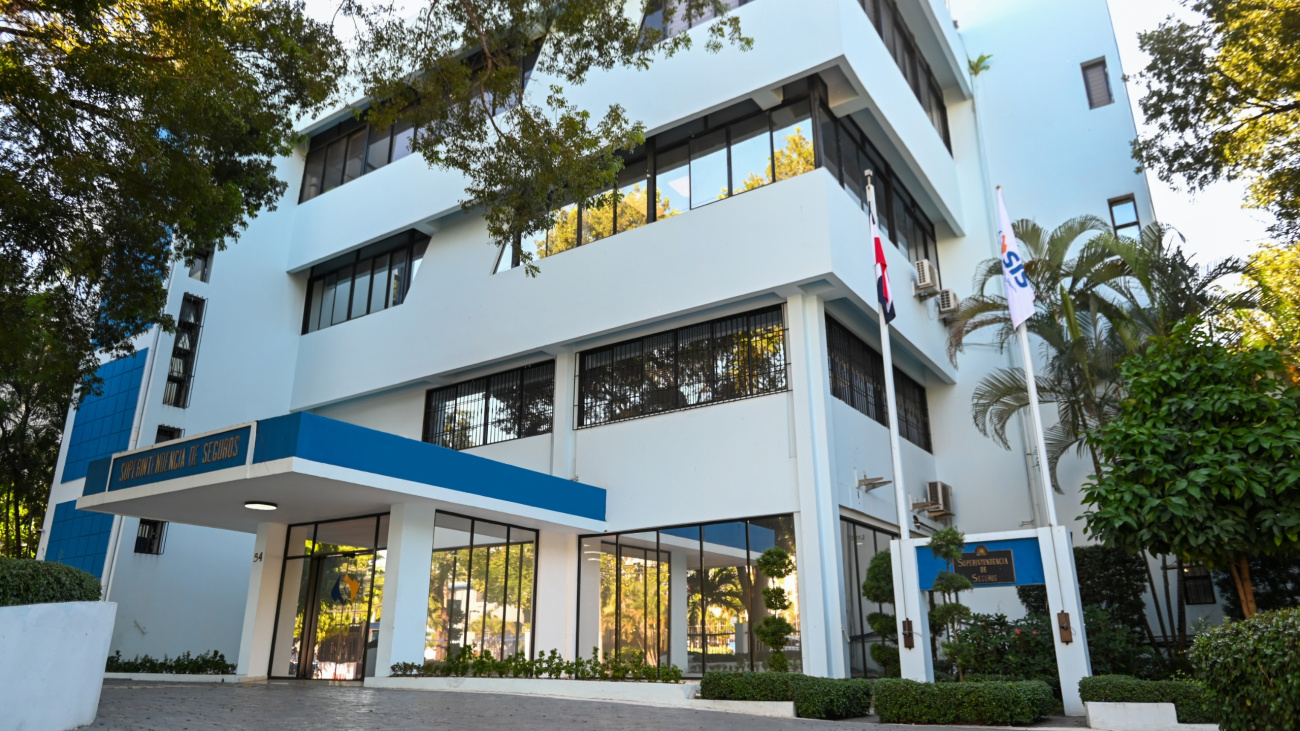
Residents of the Dominican Republic are being urged by the country’s Superintendency of Insurance to take proactive steps to review their existing insurance coverage ahead of an approaching weather system forecast to bring intense rainfall across multiple provinces. The alert, issued amid active weather warnings for the low-pressure trough, comes as the regulator works to help homeowners and business owners avoid costly surprises if disaster strikes.
A common misconception held by many policyholders is that flood and storm-related damage is automatically included in standard insurance contracts, the agency highlighted. In reality, coverage for these hazards depends entirely on the specific terms, add-ons and conditions that were agreed to when the policy was purchased. The regulator is advising all consumers to reach out directly to their insurance providers to confirm what protections are in place, asking that they double-check coverage for flood damage, water-related property destruction, loss of personal belongings and unexpected business interruption stemming from storm events.
Many standard home and commercial insurance policies explicitly exclude flood and storm water damage, or impose strict limitations and high deductibles that can leave policyholders responsible for significant out-of-pocket costs, the agency explained. This gap in coverage also applies to vehicle insurance: even drivers who carry what is marketed as “full coverage” auto policies often do not have protection for flood damage unless they have added a separate endorsement to their plan. For properties located in high flood-risk zones across the country, additional separate coverage is almost always required to get full protection, the regulator noted.
Along with calling for pre-storm policy reviews, Superintendency of Insurance officials shared guidance for anyone who does experience damage. They strongly encouraged residents to create comprehensive documentation of all destruction, including timestamped photos, videos and written inventories of damaged property, to speed up the claims process. Most importantly, officials emphasized that understanding what is not covered by a policy is just as critical as knowing what is included. In the event of a dispute between a consumer and their insurance provider over a covered claim, the agency reminded the public that it offers formal mediation services to help resolve conflicts fairly.