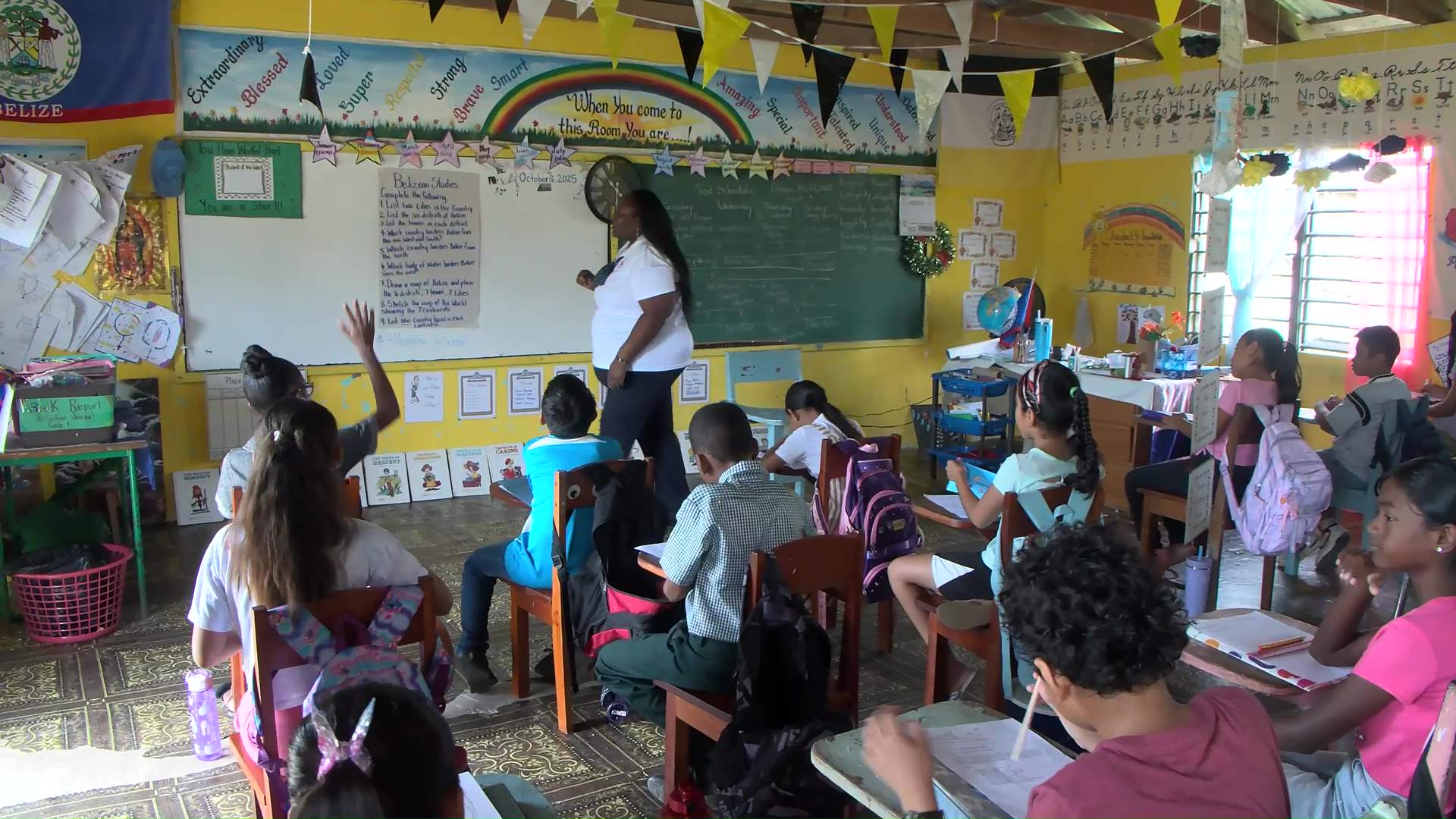
Set to roll out over the next five years from 2026 to 2030, a landmark $300 million education transformation initiative is putting Belize’s future generations front and center, aimed at dismantling long-standing systemic barriers that have held back thousands of the country’s students from achieving their full potential. Titled the Belize Education Sector Plan 2.0, the ambitious strategy prioritizes three core pillars: greater institutional accountability, expanded cross-sector partnerships, and accelerated integration of digital learning tools and competency-based curricula that align student outcomes with the demands of an increasingly fast-changing global economy.
At the official launch of the plan, Francis Fonseca, Belize’s Minister of Education, emphasized that the initiative marks far more than just the release of a new policy framework. For the Ministry of Education, he explained, the plan represents a foundational commitment to embedding accountability, transparency, and collaborative partnership across every level of the country’s education system to deliver tangible, sustainable improvements for learners.
Ricardo Gideon, Director of Policy at the Ministry of Education, Culture, Science and Technology (MOECST), outlined the persistent challenges the plan seeks to address. For many Belizean households, whether in remote rural regions or underserved urban neighborhoods, accessing quality education extends far beyond the initial step of enrolling a child in school. Too many students face unaddressed barriers that prevent them from staying enrolled, receiving the targeted support they need, and progressing to successful outcomes after graduation. This plan, Gideon noted, was built specifically to remove these hurdles and unlock equitable opportunity for every Belizean student and their family, regardless of background.
A central pillar of the new strategy is expanding digital connectivity through the ministry’s Connect Ed initiative, which has already connected 70% of Belize’s primary and secondary schools to reliable internet access, bringing digital learning resources directly into classrooms across the country. Complementing this infrastructure investment is the 501 Academy program, which centers competency-based learning that prioritizes skill mastery and curiosity-driven exploration over traditional rote memorization. Namrita Balani, Director of Science and Technology at MOECST, explained that this approach gives students the freedom to explore their interests, nurture innovation, and build practical skills that grow with them long after they leave the classroom.
Education leaders stress that the plan’s ultimate mission goes beyond bureaucratic policy change: it is designed to keep Belizean children enrolled in school, connected to critical learning resources, and equipped with the tools they need to turn their personal and professional dreams into tangible, life-changing opportunity.