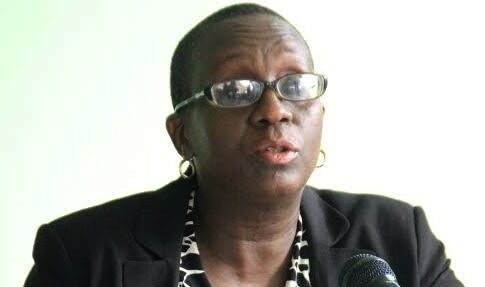
On Wednesday, the 18th Biennial Convention of the Dominica Association of Teachers (DAT) opened its doors at the St. Alphonsus Parish Hall, drawing education professionals from across the island to discuss the critical intersection of teaching and national progress. This year’s conference theme, “Teachers: The Foundation For National Development-Value Us,” set the stage for a keynote address from Dr. Valda Henry, Deputy Governor of the Eastern Caribbean Central Bank (ECCB), who delivered a powerful call to recognize and empower educators as the engine of societal change.
In her featured address, Dr. Henry centered her remarks on the understated but indispensable role teachers play in driving systemic transformation. She told gathered attendees that teachers are far more than passive implementers of education policy – they are the active architects of a nation’s future. “At the center of all of this transformation lies who? Teachers, you,” she stated. “You are the ones who must translate curriculum into meaningful learning experiences. You bridge the gap between policy and practice. You are not just implementers of reform, you are the drivers of transformation.”
Dr. Henry expanded on her definition of transformation, explaining that it encompasses both small, incremental progress and bold, large-scale change. She urged educators to embrace a mindset of resilience, noting that the courage to overcome challenges is a core part of being the transformation they want to see in their students and communities.
A key point of Dr. Henry’s address focused on the urgent need for adequate investment in modern education infrastructure and teacher training. She argued that it is unfair and unrealistic to expect educators to prepare students for 21st-century careers and challenges using outdated tools, outdated training models, and obsolete curricula. If societies expect teachers to cultivate high-demand skills like digital literacy, critical thinking, and creative problem-solving in their students, they must first provide teachers with the resources, training, and support they need to build those skills themselves.
Even as she called for systemic investment in the teaching profession, Dr. Henry also emphasized that responsibility for growth is shared between institutions and individual educators. “It is a two-way street,” she emphasized. “It is not just people investing in you, you too must invest in yourself.” She encouraged teachers to take proactive steps to update their skills and adapt to changing educational needs, reinforcing that their own professional growth directly translates to stronger national development.
The convention comes as small island nations across the Eastern Caribbean work to adapt their education systems to shifting economic and technological trends, making discussions around teacher empowerment and investment particularly timely for the region.