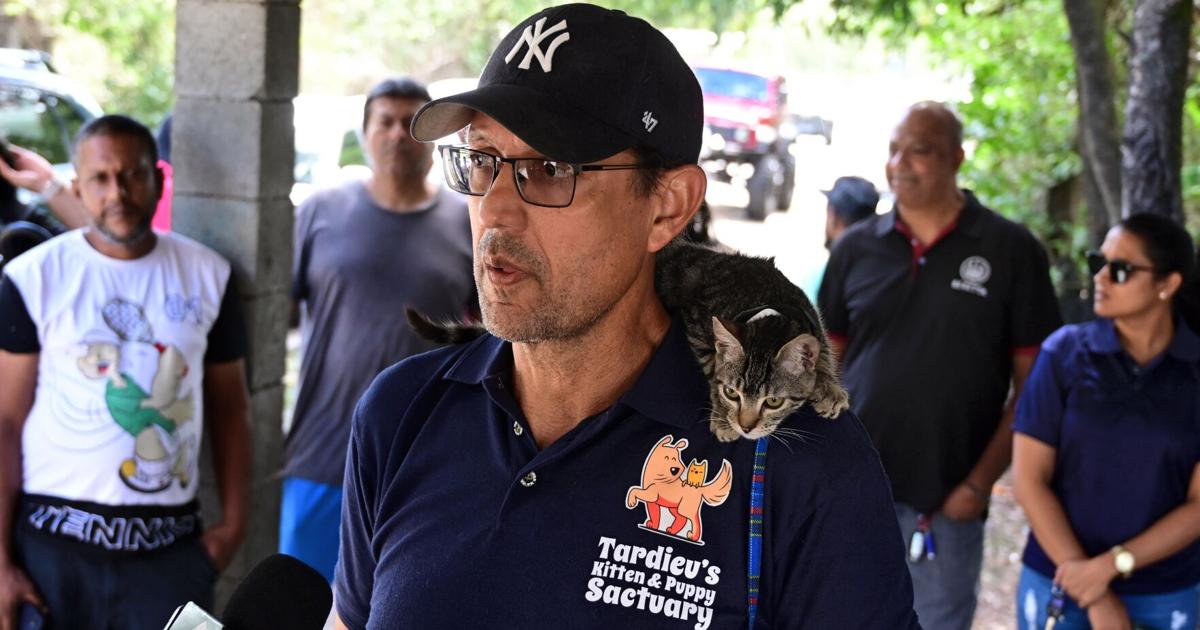
Unconfirmed reports of a planned poisoning campaign targeting stray cats at Trinidad and Tobago’s iconic Caroni Bird Sanctuary have sparked urgent action from animal welfare advocates and concerned community members, who gathered at the ecologically sensitive site on Wednesday to demand the adoption of long-term, humane population control strategies instead of lethal cruelty.
A group of 12 demonstrators, led by Clifford Tardieu, founder of the Valencia-based Tardieu Kitten and Puppy Sanctuary, used the gathering to feed at-risk stray cats and rescue vulnerable animals—just moments before speaking to local media outlet *Express*, Tardieu pulled three abandoned kittens from the sanctuary grounds, animals he noted would almost certainly have perished without human intervention. Tardieu explained the demonstration was organized after advocates received unconfirmed tips that local parties intended to poison the feral cat colony that roams the popular tourist site.
Tardieu, a lifelong animal rescuer, emphasized that poisoning is not only morally abhorrent but also ecologically destructive and ultimately ineffective at solving overpopulation. Unlike quick, painless death, he explained, poisoned animals suffer prolonged, agonizing decline, creating dangerous ripple effects throughout the Caroni ecosystem. Scavenging species native to the sanctuary—including vultures and local crab populations—often feed on the carcasses of poisoned animals, leading to secondary poisoning across the food chain. Toxic compounds from poison can also seep into local soil and water systems, damaging the fragile wetland habitat that draws thousands of tourists to the site each year.
“It becomes a trickle-down effect—this is no longer just an issue for the cats, the entire ecosystem is put at risk by one single cruel action,” Tardieu told reporters. He further argued that the premeditated nature of poisoning, which requires hiding poison in food to lure unsuspecting animals, reveals a dangerous lack of conscience that could extend beyond harming animals.
Beyond the environmental and ethical harms of poisoning, Tardieu noted that culling entire feral colonies does nothing to fix the root cause of overpopulation: the ongoing abandonment of unsterilized pets. Even if all current stray cats were killed, he explained, the empty territory created by a cull would quickly be repopulated by new fertile stray animals that are dumped in the area, allowing populations to rebound rapidly. Tardieu added that many of the existing stray cats at the sanctuary have already been sterilized, meaning their removal would only clear space for unsterilized animals to breed unchecked.
Instead of lethal control, Tardieu called for cross-sector collaboration between the Trinidad and Tobago government and private businesses to build a network of professionally managed, humane animal sanctuaries across the country. His vision for these facilities includes large, open enclosures—some as big as a football field—where rescued animals can live in near-natural conditions with consistent access to food and veterinary care, with humane euthanasia only used as a last resort for terminally ill or severely injured animals that cannot be saved.
Tardieu also highlighted the potential economic benefits of such a network, noting that the Caroni Bird Sanctuary already generates significant foreign exchange from international tourism, many of whom enjoy interacting and feeding the site’s stray cats. A purpose-built sanctuary on-site could become an additional tourist attraction, generating ongoing revenue to support animal care while addressing the overpopulation problem. Decentralizing sanctuaries across regions including Arima, Valencia, San Fernando and Mayaro, he added, would prevent overcrowding at any single facility and reduce the incentive for people to dump unwanted animals in protected natural sites like the Caroni Bird Sanctuary.
While the most proven long-term solution to stray overpopulation remains widespread trap-neuter-return (TNR) programs, Tardieu explained that independent rescuers across the country—estimated at roughly 100 people total—are stretched dangerously thin by a lack of funding and resources. All 256 animals currently housed at his own sanctuary have been sterilized, he noted, but independent operations cannot keep up with growing demand without public and private support. He called for the government to subsidize spay and neuter procedures and for private companies to contribute funding and logistical support to expand access to population control services.
In a public statement released amid the demonstration, Nanan Caroni Bird Sanctuary Tours, the main tour operator at the site, distanced itself from any planned poisoning, noting that it has already implemented its own humane TNR program for the sanctuary’s cat colony, which an official estimates numbers between 50 and 75 animals. The company emphasized that it shares advocates’ commitment to cat welfare and has already taken steps to manage the population humanely, including organizing regular feeding stations, advocating for cat adoptions, and collaborating with animal welfare groups to monitor the colony.
“There is no verified evidence of intentional harm to cats at the sanctuary,” the company’s Facebook post read. “What we do know is that unmanaged populations lead to suffering, and that’s what we are addressing with a structured humane programme.” The company echoed Tardieu’s point that culling and removal do not solve overpopulation, noting that removing entire colonies creates a “vacuum effect” that draws new stray cats into the area. “The only proven humane method is sterilisation and population control,” the statement read, adding that the sensitive ecological status of the site requires a structured, thoughtful approach that protects both cats and native wildlife. The company called on all stakeholders to work together toward a shared solution and shared contact information for anyone with information about potential harm to cats.
In an official press release responding to the public outcry, Trinidad and Tobago’s Ministry of Agriculture and Fisheries reminded the public that animal cruelty is a criminal offense under the country’s Summary Offences Act and Animals (Diseases and Importation) Act. While the ministry did not directly reference the reported planned poisoning at Caroni, it condemned animal cruelty as “heinous and inhumane” and reiterated the government’s unwavering commitment to protecting animal welfare across the country. The ministry called on any member of the public with information about actual or planned animal cruelty to contact local police or the ministry via its dedicated toll-free tip lines, to ensure offenders are held accountable under the law.