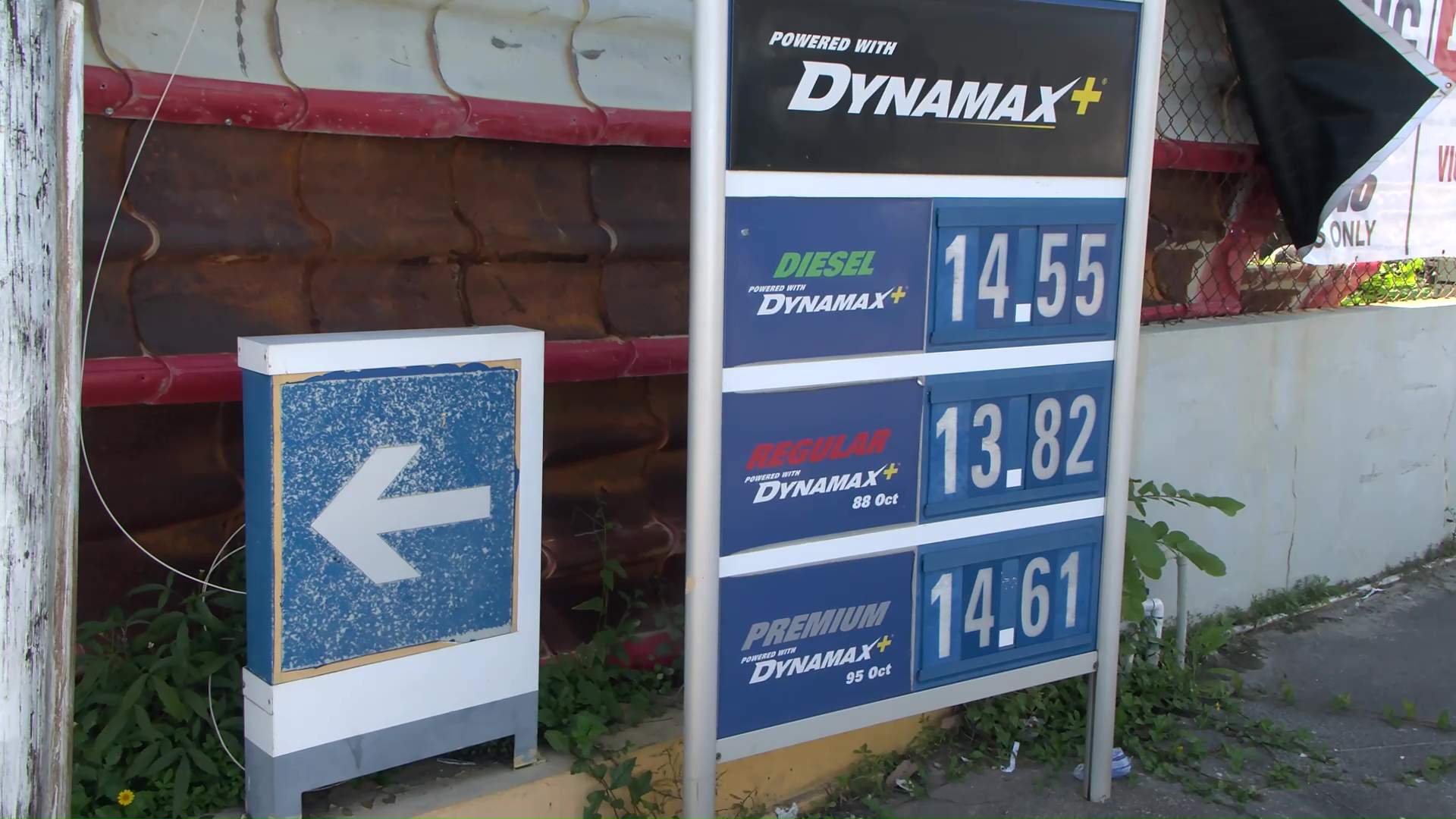
On Monday morning, motorists across Belize faced yet another unwelcome surprise at fuel stations, after a midnight price adjustment that marked the third increase in fuel costs in just over a month. Effective immediately, premium gasoline rose by 84 cents per gallon, while regular gasoline increased by 80 cents, adding to a cascade of rising costs that have already stretched household budgets thin. For ordinary Belizeans already navigating steep increases in grocery bills, utility rates, and baseline transportation expenses, this latest jump in fuel prices has pushed financial strain to new heights.
Government officials have pinned the recurring increases on widespread volatility in the global crude oil market, which has been roiled by the ongoing armed conflict in Iran. International supply disruptions tied to regional instability have driven up crude prices worldwide, and those costs are being passed directly to consumers at the pump in Belize.
But for residents grappling with daily budget challenges, the global explanation does little to ease immediate hardship. Many are now questioning how much more prices will climb, and when consumers can expect any measurable relief from the upward trend.
As fuel costs act as a core driver of broader inflation across Belize’s economy—pushing up fares for public transit, raising delivery costs for consumer goods, and increasing prices across nearly every sector—public attention has shifted to the national government’s tax policy on fuel. Many residents are now calling on policymakers to consider temporary tax adjustments that could reduce the final cost for consumers and ease the broader economic burden on working households.
Local outlet News Five has confirmed it will continue monitoring developments in fuel prices, tracking how changes at the pump impact the cost of living for ordinary Belizeans across the country.