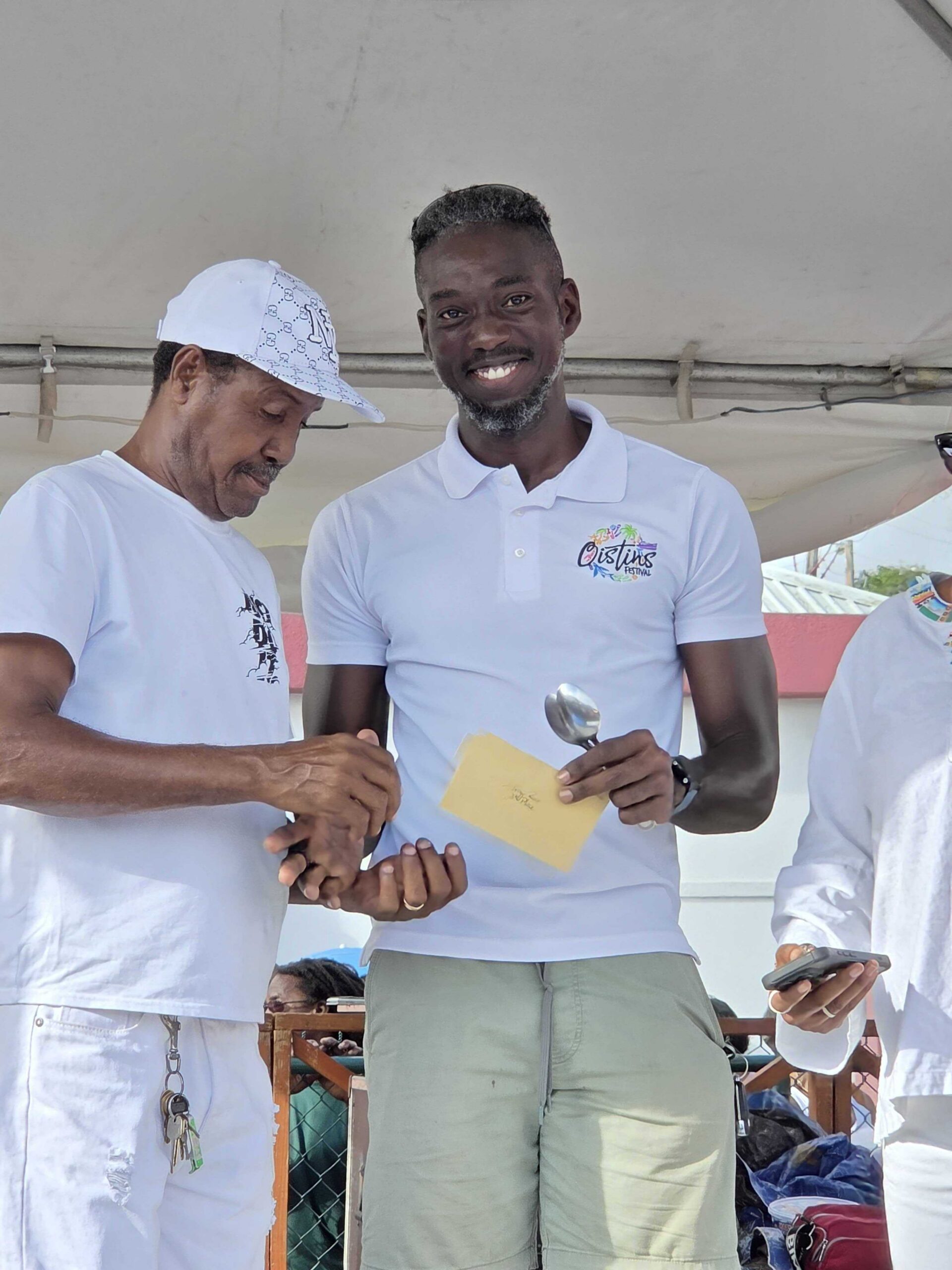
The 2026 iteration of the beloved Oistins Fish Festival has wrapped up, and event organizers are celebrating it as a marked success, citing tangible improvements across multiple areas of operation compared to previous years. In a closing statement following the conclusion of the multi-day festivities, Israel Mallett, co-chair of the festival organizing committee, shared his positive assessment of this year’s event, highlighting upgrades to both pre-event preparation and on-the-ground execution. Among the most notable advances was a streamlined onboarding and setup process for participating vendors, which ran far more efficiently than in prior editions. Most importantly, the entire festival unfolded with almost no major disruptions or safety incidents, a key milestone for the community-focused gathering.
Mallett noted that only one minor issue arose over the course of the event: a small vehicle collision that resulted in no injuries to attendees or staff, an outcome the committee counts as a win for event safety. That said, organizers did not dismiss constructive feedback from the public, which included observations that the festival’s atmosphere felt slower or less energetic than in past years at certain points. Rather than dismissing these critiques, Mallett connected the subdued energy to broader economic headwinds currently impacting the country, framing the public input as a valuable asset for future planning. He emphasized that the organizing committee actively welcomes all forms of feedback, as it gives the team clear areas to refine and improve for coming editions of the event.
“We love criticism. We like to hear from people what their thoughts are, what their feedback is, because those are things that we look to internalise and implement and work on for the years to come,” Mallett explained.
The co-chair also addressed growing concerns from participating vendors, who have reported declining sales and shrinking profit margins at the festival in recent years. While Mallett confirmed that the organizing committee takes full responsibility for core marketing and promotion of the event to drive attendance, he stressed that driving visitor engagement and sales is a shared responsibility among all stakeholders: event organizers, local fisherfolk, and vendors themselves. He added that the team adopted a new proactive approach to resolving vendor issues in real time this year, pointing to one example where organizers leveraged social media to amplify a struggling vendor’s visibility and attract more foot traffic during a slow period.
“One of the things we try to do is to work with the vendors. If there’s an issue that we can resolve on the spot, we try to resolve that issue on the spot and if it’s something we can’t resolve on the spot, we take it into our post-mortem and planning,” Mallett said.
Looking back on his tenure leading the festival’s organizing team, Mallett reflected that his time in the role has been a period of extraordinary personal and professional growth. When he first took on the leadership position, he brought little prior experience planning large-scale community events, but he noted that his outsider perspective and fresh approach have ultimately been an asset to the long-running festival. “It’s been a real experience of growth coming into it,” he said. “I have met a lot of great people through the vendors, the community, the fisher folk… it has been a really expanding experience for me.”