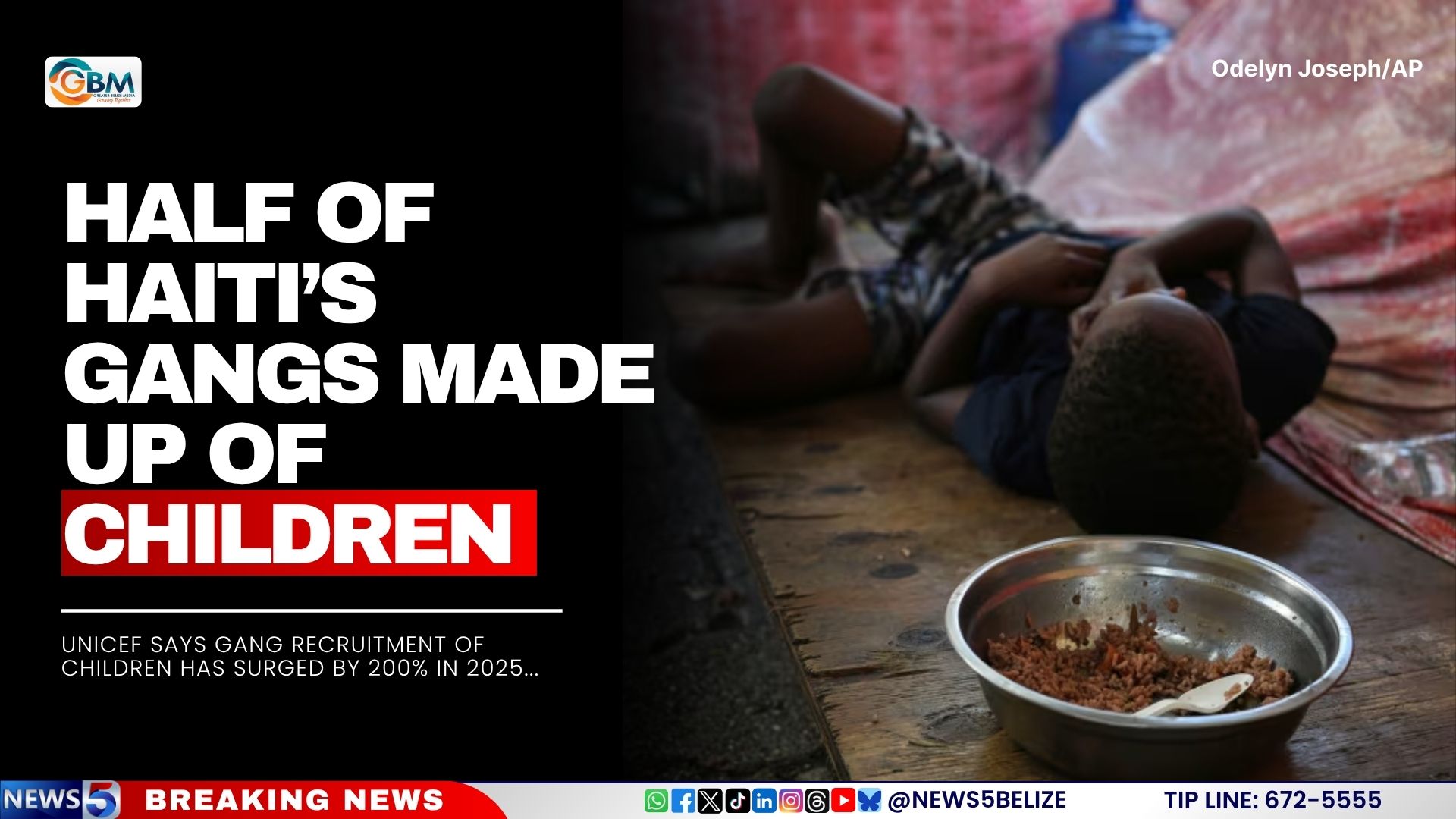
As a multinational security force approved by the United Nations begins deploying to Haiti to crack down on rampant gang violence, a devastating new statistic has emerged that lays bare the scale of the country’s humanitarian and security crisis: children now account for roughly 50 percent of all members of armed gangs across the nation.
Data compiled by monitoring groups shows that at least 302 minors were recruited by gangs in 2024 alone, and the vast majority of these underage recruits are thrust directly into frontline combat roles. The newly arriving UN-authorized Gang Suppression Force (GSF) is set to eventually field up to 5,500 personnel, with a core mandate to support overstretched Haitian national police in retaking territory controlled by armed groups.
UNICEF’s latest assessment reveals that gang recruitment of children skyrocketed by 200 percent in 2025, a surge driven by three overlapping root causes: widespread systemic poverty, mass youth homelessness, and coordinated social media campaigns that deliberately glorify gang culture to lure vulnerable young people. Many children are enticed into joining with basic promises of regular meals, safe shelter, and steady cash payments. Others face forced conscription at the hands of gang recruiters, and some are even handed over to gangs by families pushed to desperation by extreme economic hardship. UN field research found that payments to families or child recruits themselves range from $100 to $700, depending on the dangerousness of the role the child is expected to fill.
International humanitarian organizations have issued urgent warnings that the expansion of security operations against gangs will likely lead to underage recruits being deliberately pushed to the frontlines by gang leaders, putting thousands of children at immediate risk of death or serious injury. Human rights experts have also raised grave alarms about the treatment of detained children with alleged gang ties, documenting that dozens of minors accused of gang affiliation have been extrajudicially killed since 2022.
In response to the crisis, UNICEF is calling on Haitian authorities and deploying GSF personnel to adhere to a UN-endorsed handover protocol that requires any captured or surrendered underage recruits to be transferred to child welfare agencies, rather than being detained or punished like adult criminal combatants. The agency notes that its existing community-based reintegration program has already supported more than 500 former child gang recruits to transition back to peaceful civilian life, offering a proven model for addressing the crisis if supported by international and local stakeholders.