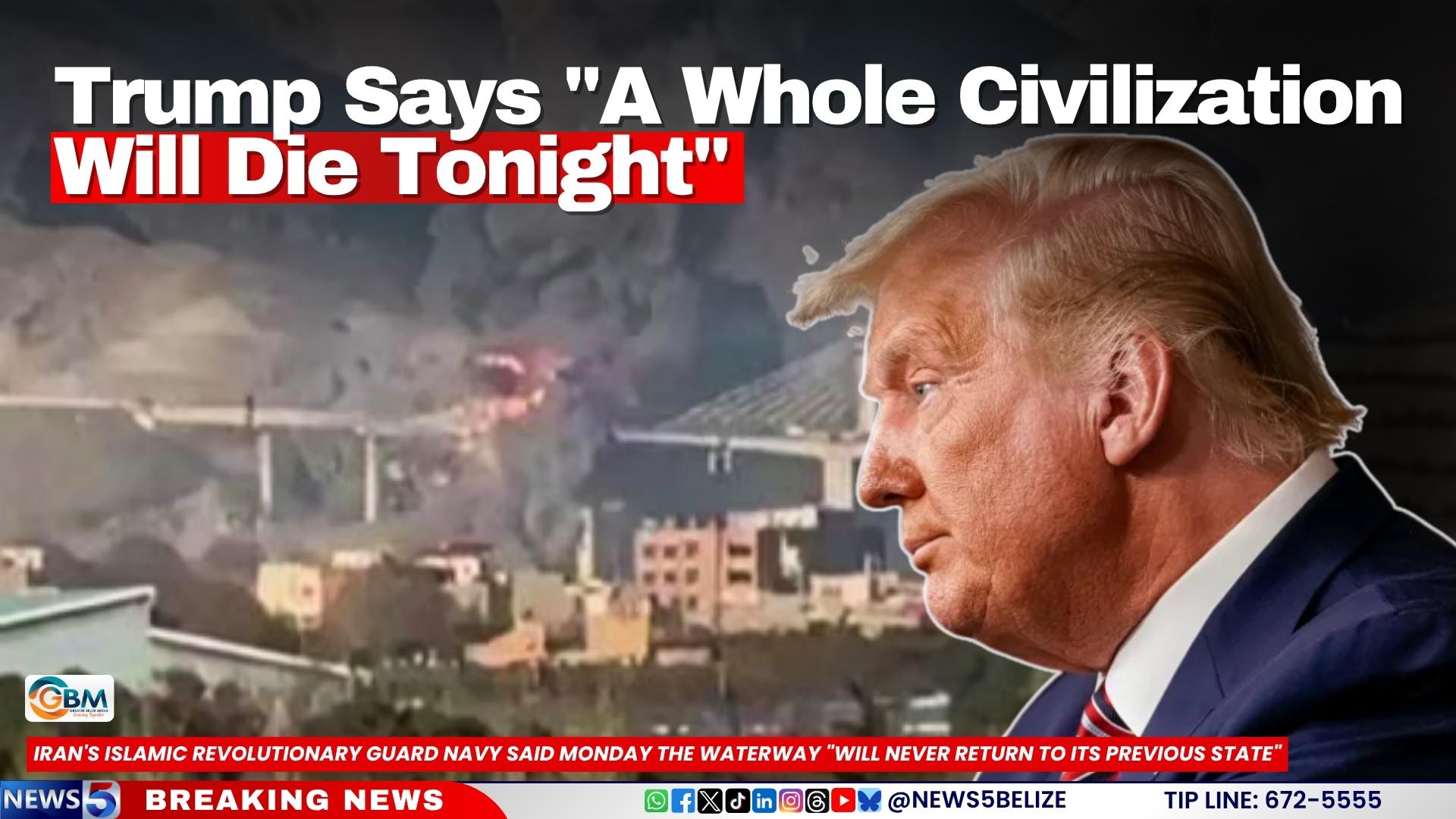
On April 7, 2026, a sharp escalation of tensions between the United States and Iran sent shockwaves across global geopolitics and energy markets, after sitting U.S. President Donald Trump issued an unprecedented, catastrophic threat to wipe out Iran’s entire civilization if Tehran did not reopen the blocked Strait of Hormuz by 8 p.m. Eastern Standard Time that same day.
In a public post shared to his social media platform Truth Social on Tuesday, Trump issued a dire warning: “A whole civilization will die tonight, never to be brought back again. I don’t want that to happen, but it probably will.” This chilling statement followed escalating rhetoric Trump delivered a day earlier at a White House press briefing, where he told reporters that Iran could be completely “taken out in one night.” He doubled down on existing threats that he would order strikes on Iranian energy infrastructure and key river crossings if the strategic waterway remained closed to international traffic.
Trump also claimed credit for a previous strike that took out one of Iran’s tallest bridges, a critical transit link that connected two major Iranian cities, an attack carried out last Thursday, though independent confirmation of the strike’s attribution has not yet been released.
Iran’s response came swiftly from the Islamic Revolutionary Guard Corps Navy, which declared Monday that the Strait of Hormuz will never return to its pre-crisis status of unrestricted access for U.S. vessels and Washington’s allied military and commercial shipping.
The 21-mile-wide waterway is one of the world’s most critical chokepoints for global energy trade, with approximately 20% of all globally traded crude oil passing through its waters every day. The ongoing closure has already triggered immediate volatility in global energy markets, pushing fuel prices sharply upward in every region. Even in Belize, a small Central American nation thousands of miles from the Persian Gulf, consumers saw their third fuel price hike of the month on Easter Sunday, a tangible sign of the conflict’s global ripple effects.
In recent weeks, a number of Asian nations have moved to negotiate separate arrangements to secure safe passage for their commercial vessels through the strait. Pakistan, India, and the Philippines have all finalized bilateral agreements with Iran to allow their ships to transit the waterway, while China has publicly confirmed that its commercial vessels continue to use the channel amid the standoff.
As of Tuesday morning local time, no diplomatic agreement had been reached between the U.S. and Iran to de-escalate the crisis, and there was no path toward an immediate ceasefire or de-escalation in sight.