A cloud of uncertainty has hung over Caribbean fishing communities in recent weeks after a series of lethal US military drone strikes on vessels operating in regional waters, including one strike carried out in the exclusive economic zone of St. Vincent and the Grenadines (SVG) back in February. The United States has justified the operations by stating the targeted boats were involved in illicit narcotics trafficking, but the incident has sparked significant backlash after claims emerged that three deceased individuals from St. Lucia were actually legitimate small-scale fishermen, not drug traffickers, according to their family members.
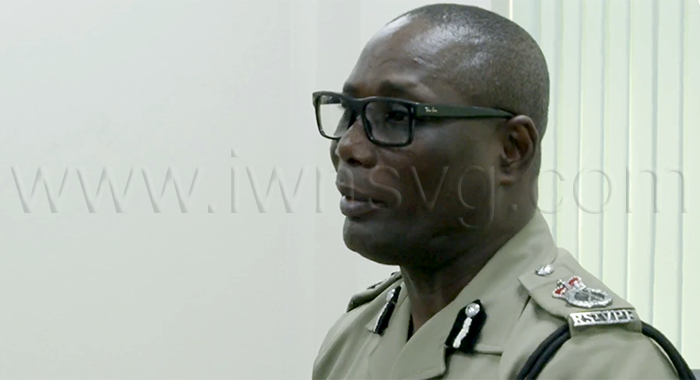
In the wake of growing public anxiety among SVG’s fishing community, top security officials have moved to address widespread fears, delivering public reassurance that local fishermen can return to their work on the open ocean without fear of accidental targeting. The joint announcement came during a press conference held in Kingstown on Wednesday, April 1, shortly after National Security Minister St. Clair Leacock and Police Commissioner Enville Williams returned from the Regional Security System (RSS) Council of Ministers’ Meeting held in St. Lucia between March 23 and 27.
During the summit, Leacock formally took over the rotating one-year chairmanship of the eight-member regional security bloc from St. Lucia Prime Minister Phillip Pierre. Addressing reporters’ questions about the February strikes directly, Commissioner Williams delivered a clear, unqualified assurance to local fishing workers. “I want to take the opportunity to say to our fisherfolk that there is no threat to you going to sea to ply your trade; like zero threat to you. None,” Williams stated, emphasizing that US counter-narcotics operations are exclusively focused on criminal actors violating local and international drug trafficking laws. “So, ordinary fishermen and women who are going to sea to ply their trade have nothing to fear, absolutely nothing to fear. And that’s the solemn and honest truth,” he added.
Williams went on to outline the core mandate and operational structure of the RSS, explaining that the alliance brings together member states to pool shared security resources, align common operating protocols for issues ranging from immigration management to national emergency response, and coordinate action across all areas that impact citizen safety across the Caribbean. “So everything within the member states as it relates to defence and security and response to hazards in case of NEMO (National Emergency Management Organisation) and all of that that touches and concerns citizen security is treated by this alliance as one,” he explained, noting that the bloc operates under a unified security framework to address shared threats.
Despite the reassurance for fishermen, reporters pressed Williams on critical unanswered questions surrounding the US strikes: why the United States launched operations that destroyed at least three vessels in regional waters, including one in SVG’s EEZ, whether regional authorities granted formal authorization for the US military to operate in these waters, what progress has been made in ongoing investigations into the incident, and what information has been shared with the families of the deceased Caribbean fishermen.
In response, Williams clarified that inquiries about authorization for the US operations fall outside the scope of law enforcement, framing the issue as a political matter that must be addressed by the country’s political leadership rather than police command. He did confirm, however, that the RSS has opened formal discussions with US counterparts about the incident, and that these talks remain ongoing. Williams added that the head of US Joint Interagency Task Force South (JIATF South), the US military command responsible for counter-narcotics operations in the Caribbean, attended the first two days of the RSS summit in St. Lucia and responded to the same questions raised by local reporters, but that these discussions were held behind closed doors and he could not disclose details of the closed-session exchanges.
Reporters continued to press officials, presenting a photograph of one of the destroyed boats to challenge the US narrative that the vessels were carrying large drug shipments. Pointing to the small size of the boat, the reporter noted that the minister had previously referenced a 500-million-dollar cocaine seizure connected to the strike, and observed that many legitimate fishing boats across the Caribbean operate with multiple outboard motors, a characteristic the US has cited as evidence of drug trafficking activity.
At this juncture, Minister Leacock intervened, noting that political questions about the incident should not be directed to the police commissioner, and provided updated context on the discussions held at the RSS summit. Leacock confirmed that during the meeting, RSS delegates were informed that the US has adjusted its previous position of refusing to provide explanations for prior strikes, and has now softened its stance, agreeing to show greater respect for the national sovereignty of Caribbean nations – a shift that emerged as a central topic of negotiation at the summit.
“ I believe, through the skilful negotiations of the RSS and heads of government and others who will be involved in this exercise, we can anticipate that over time, there will be an increased level of responsiveness and sensitivity to Caribbean jurisdictions and to that key expression that was used: the Caribbean being a zone of peace,” Leacock said, adding that ongoing negotiations are progressing and that the region expects to achieve the transparent, accountable outcomes that Caribbean governments and communities are entitled to.