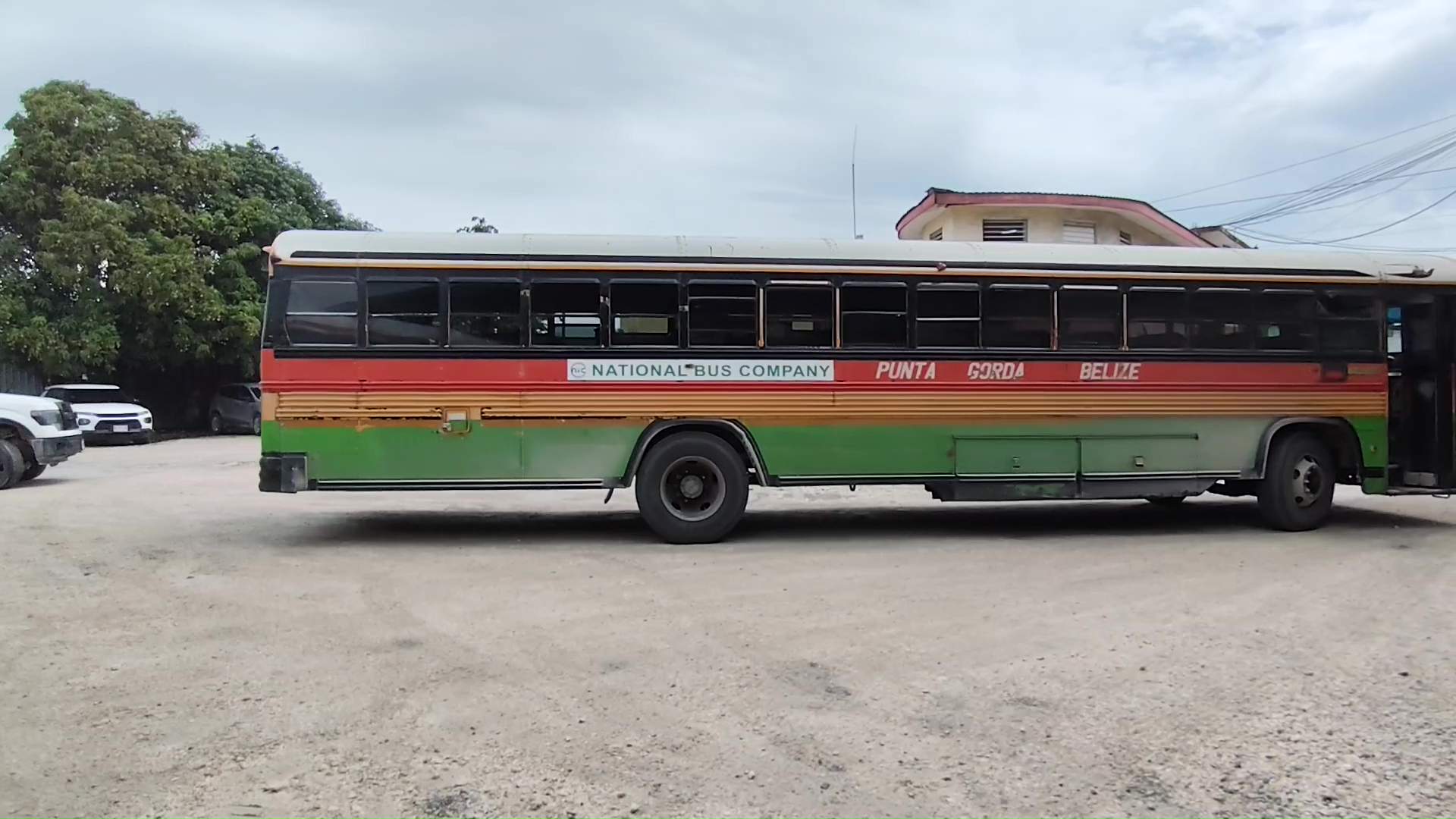
As global diesel costs continue their upward climb, Belize’s private bus operators are facing mounting financial pressure that threatens to push the industry to a breaking point. In response, the Belize Bus Association has formally submitted a set of proposals to the national government, calling for targeted relief to offset skyrocketing fuel expenses that have steadily eroded operator profit margins. On April 2, 2026, Transport Minister Dr. Louis Zabaneh delivered a clear, definitive response to the industry’s appeal, outlining which policy solutions remain on the table and which have been firmly taken off the negotiation agenda.
One critical assurance Dr. Zabaneh extended to commuters across Belize is that bus fares will not be increased to offset higher fuel costs, a decision rooted in the already heavy financial strain facing ordinary travelers. “We received the association’s letter late Monday evening, and I have already shared its contents with Cabinet,” Dr. Zabaneh explained in an interview following the submission. “Formal discussions will get underway immediately after the Easter holiday, and we will deliver a structured official response promptly after that. We have already ruled out the association’s third proposal entirely – a fare increase – because commuters are already under significant economic stress. That option is completely off the table.”
The two remaining requests from the association are government fuel subsidies and fuel tax exemptions for bus operators, but Dr. Zabaneh noted that both options present substantial practical challenges for the government. A key point of tension in the discussions has been longstanding claims from independent operators that state support for the National Bus Company (NBC) creates an uneven playing field, putting private independent operators at an unfair disadvantage.
Dr. Zabaneh pushed back firmly against these claims, attributing the NBC’s greater resilience to high diesel prices to the inherent advantages of economies of scale, rather than unfair government favors. Larger operations like the NBC are able to purchase bulk supplies of fuel, tires and other critical operational materials at discounted rates, a benefit that independent small-scale operators cannot access when they choose to run separate businesses. “Independent operators made a deliberate choice to operate as individual sole proprietors, and that is perfectly permissible,” Dr. Zabaneh said. “We have repeatedly discussed the financial benefits of merging into the National Bus Company, but many operators still do not grasp the basic value of economies of scale. This is a fundamental industry principle: larger operations get better bulk pricing on core supplies, which cuts down per-unit costs dramatically. Choosing to remain independent means accepting the financial responsibilities that come with that choice.”
Addressing claims that the government gives the NBC unfair special treatment, Dr. Zabaneh emphasized that the only support the state has provided is facilitation to help form the company and investment to upgrade the country’s aging, run-down bus terminals, a public improvement that benefits all operators and commuters. Unlike the Belize Bus Association, the NBC has not requested either a fare increase or government fuel subsidies, meaning there is no unequal treatment between state-backed and independent operators. “The argument that we are giving unfair advantage to the NBC holds no water,” Dr. Zabaneh added. “The government has not given the NBC any support that is not available to other operators, and our terminal upgrades are a public good for the entire country.”
Talks between the government and the Belize Bus Association are set to resume in the coming weeks, with both sides still open to negotiating a solution that eases operator financial strain without passing higher costs on to commuters.