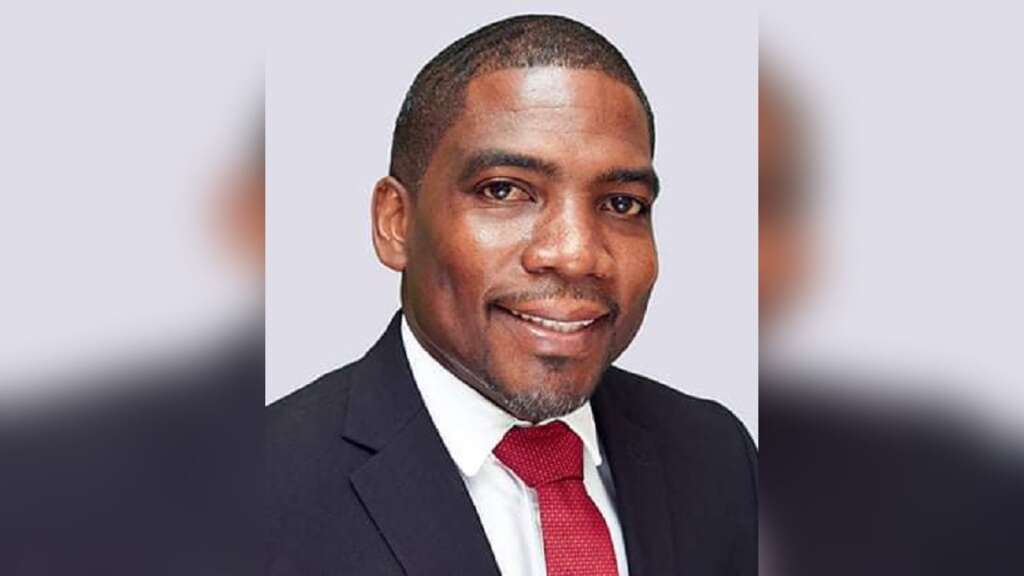
In a press briefing held in Basseterre, the capital of St Kitts and Nevis on Monday, current Caribbean Community (Caricom) chairman and St Kitts and Nevis Prime Minister Dr Terrance Drew confirmed that the 15-nation regional bloc has completed the groundwork to deliver promised humanitarian assistance to crisis-hit Cuba, keeping a pledge made just one month prior.
The urgent push for coordinated aid comes amid prolonged hardship for Cuba, where widespread, repeated power outages have become a daily reality as a result of long-running United States sanctions targeting the island nation’s oil imports. For decades, Washington has enforced a full trade and economic embargo against Cuba, with the explicit goal of pressuring Havana to adopt a pro-Western capitalist political and economic framework.
Drew reminded reporters that regional leaders gathered in Basseterre at the end of February for Caricom’s 50th summit, where they made a formal commitment to launch a functional aid delivery mechanism within 30 days. With the announcement coming at the end of March, the bloc is well on track to meet that self-imposed deadline, he said.
“We have already mapped out the full pathway and operational structure to get this humanitarian help to the Cuban people, with critical support from the Mexican government,” Drew stated, adding that the planning process is already fully underway.
Last week, the Guyana-headquartered Caricom Secretariat first announced the regional aid initiative, noting that Mexico has stepped in as a key partner. The Mexican government has already identified domestic suppliers for requested aid items and will cover all costs of shipping the cargo from Mexican departure ports to Cuba, removing a major logistical and financial barrier to the effort.
Drew announced that his own government, St Kitts and Nevis, has pledged a total contribution of US$500,000, with the first tranche of US$100,000 already transferred to the Caricom Secretariat to advance preparations. Member states have flexibility to select which types of aid they contribute, with St Kitts and Nevis prioritizing critically needed baby food from the official list of aid requirements, Drew said. He also expressed gratitude to other Caricom member nations that have already made substantial contributions to the effort, noting that the bloc will release a full public update on the initiative’s progress in the coming days.
In remarks on the broader importance of the initiative, Drew emphasized that the effort demonstrates the region’s proactive approach to diplomatic action. “In today’s interconnected world, opportunities to support our neighbors and advance our shared goals have to be pursued, negotiated and secured—no one will hand them to us on a platter,” he said. “We have to be innovative, we have to be proactive, and we have to build intentional partnerships that let us meet our shared objectives. That is why we are moving forward with such intentional, aggressive diplomatic outreach on this issue.”