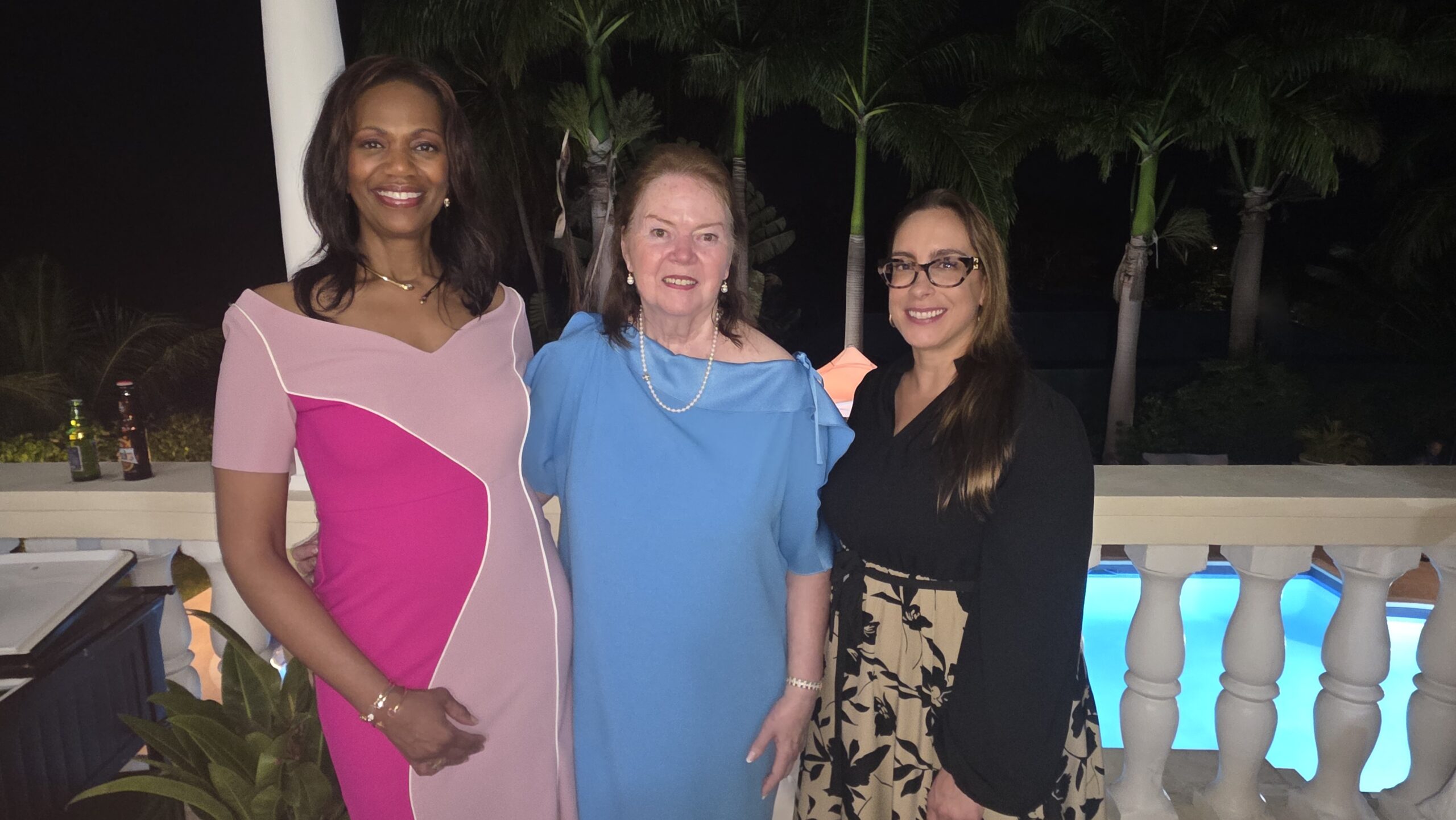
On Monday evening, stakeholders from across Barbados and the global health community converged to celebrate and evaluate six years of groundbreaking work at the Shaw Centre for Paediatric Excellence, a landmark initiative that is positioning the small Caribbean nation as a regional trailblazer in child healthcare.
Founded in 2019, the centre grew out of a transformative $10 million philanthropic donation from the Canada-based LesLois Shaw Foundation, with hands-on implementation support from Toronto’s world-leading SickKids hospital. Local partners including Barbados’ Ministry of Health, the Queen Elizabeth Hospital, and the University of the West Indies joined the collaboration to build a locally rooted paediatric care model from the ground up.
At the commemorative reception hosted at the Canadian High Commissioner’s Holetown residence, Jennifer Bernard, President and CEO of the SickKids Foundation, outlined the far-reaching progress the partnership has delivered to date. Fifty nurses have completed specialized training in high-demand paediatric care fields, core clinical infrastructure at the Queen Elizabeth Hospital has undergone comprehensive upgrades, and cutting-edge specialized medical equipment has been rolled out to raise the standard of care across the island. A key priority has been shifting care toward proactive intervention, exemplified by a three-year newborn screening pilot program that is laying the groundwork for earlier detection and treatment of childhood health conditions.
Bernard emphasized that the centre’s success defies assumptions about the capacity of small island states to deliver systemic public health change. “If we know we can do it in the West Indies, we can do it anywhere,” she noted, adding that the centre’s integrated cross-sector model – which unites government, academic institutions, and frontline healthcare providers – serves as a replicable blueprint for low- and middle-income countries working to strengthen their own child health systems.
Dr. Clyde Cave, programme director of the Shaw Centre, explained that the initiative represents a fundamental paradigm shift from the traditional reactive model of healthcare delivery to a coordinated, prevention-focused framework. The programme adopts a life-course approach to child wellbeing, extending care from the pre-natal period all the way through adolescence, while addressing long-standing gaps in service access for young people. It has also grown local paediatric expertise: the number of home-grown specialized paediatric nurses has expanded significantly, and new clinical specializations including neonatology, adolescent gynaecology, and paediatric psychiatry have been established locally, eliminating the need for many families to seek costly care abroad.
Research has also been a core pillar of the centre’s work. The Barbados Childhood Nutrition Study, the centre’s flagship research project, has established the first robust national baseline for childhood obesity rates, providing critical data that has shaped national public health policy, particularly the government’s school nutrition programme.
Virginia Shaw, director of the LesLois Shaw Foundation, shared that the foundation’s involvement has always centered on delivering measurable impact rather than public recognition. She even revealed that she initially pushed back against the decision to name the centre after her family. A self-described “Bajan Canadian”, Shaw has deep personal ties to the island, noting that her parents were once patients at the Queen Elizabeth Hospital. She thanked the full network of partners and frontline staff for their work, stressing that progress has only been possible through collective collaboration and that the initiative’s work to improve child health outcomes remains an ongoing commitment.
While celebrating six years of achievement, stakeholders also acknowledged the persistent challenges that lie ahead. Key among these is the need to build stronger, more robust systems to measure long-term programme impact and drive systemic cultural change within Barbados’ broader healthcare system, a priority the centre will continue to focus on in coming years.