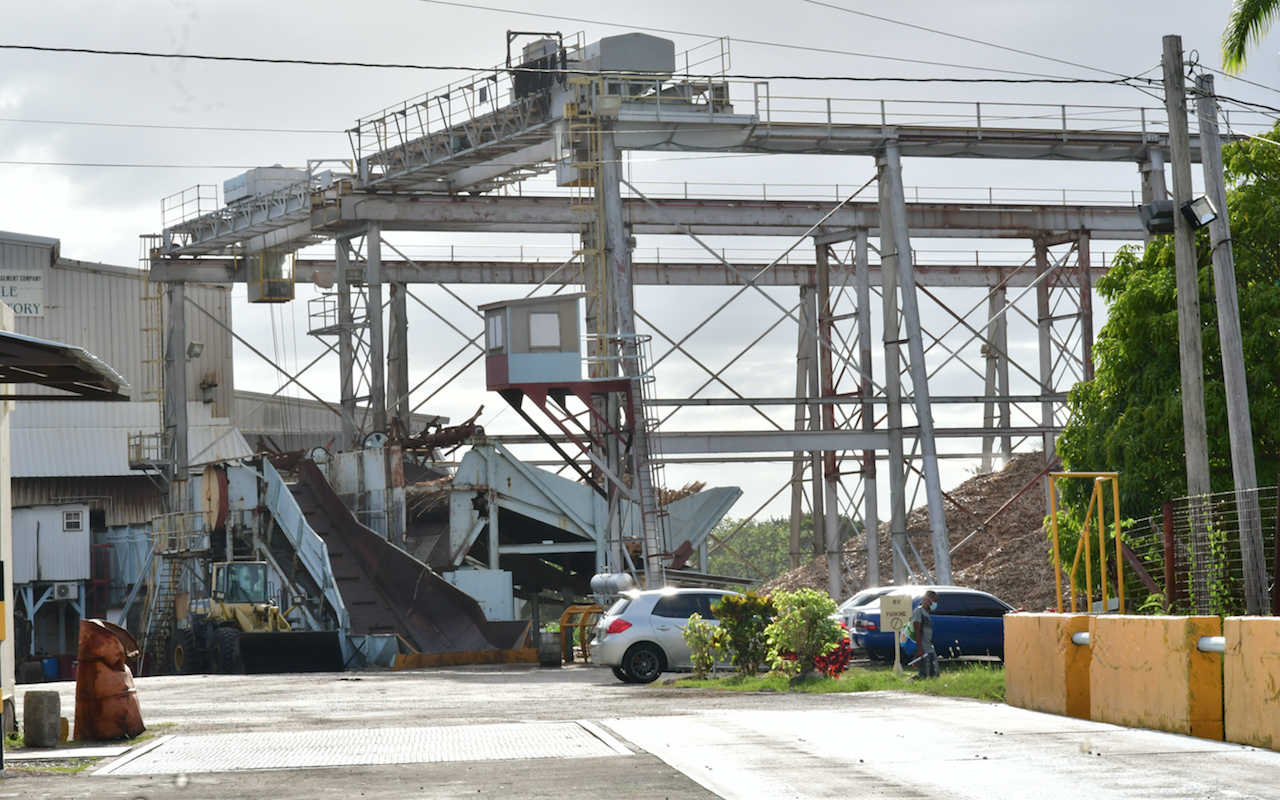
A bitter industrial dispute at Barbados’ only operational sugar manufacturing facility has deepened, with operator Barbados Energy and Sugar Company Inc. (BESCO) publicly rejecting the Unity Workers’ Union’s (UWU) core demand that the Portvale Sugar Factory be legally classified as a retail shop. In a paid public notice released Tuesday, the cooperative slammed the UWU’s classification argument as legally baseless, warning that forcing the change would saddle the already fragile sugar operation with untenable financial costs.
The UWU, headed by organizer Caswell Franklyn, has pushed for Portvale to be brought under the nation’s labor legislation governing retail stores and shops, a change that would alter how overtime and working hours are calculated for factory staff. But BESCO pushed back against this framing, noting that independent industrial relations experts who reviewed the applicable law have concluded the union’s interpretation is incorrect. The company emphasized that Portvale is fundamentally an industrial manufacturing facility, not a retail outlet, and its current shift scheduling already adheres to all relevant health, safety, and industrial workplace regulations.
This public clash comes amid months of simmering tensions between BESCO management and the UWU, centered on two core points: union recognition and working condition standards. The dispute has already spilled over into industrial action, with a multi-day work stoppage earlier this month grinding sugarcane harvesting to a halt across the entire island, disrupting operations for Barbados’ last working sugar mill.
The root of the recognition conflict lies in competing claims: the UWU asserts it represents a majority of Portvale’s workforce, with more than 50 workers registered to the union, but BESCO disputes this count, putting the UWU’s membership at just 38. The operator already recognizes the Barbados Workers’ Union (BWU) as the official bargaining agent for employees, a status the UWU is actively challenging.
Beyond recognition, the UWU has raised alarms about the facility’s current shift system and working hour structure, arguing the arrangements violate national labor standards. BESCO has pushed back against these claims, noting that the current shift framework was agreed upon in existing employment contracts, and includes structured premium compensation for non-standard working hours. Under the current system, workers earn a 15% shift premium added to their base hourly rate for shifts within a standard 40-hour work week, rising to 25% extra for weekend work that falls within an additional 16 hours of scheduled labor. Any time worked beyond a 56-hour weekly total is compensated at 1.5 times the regular base rate, the company confirmed.
BESCO also provided context for the current employment structure, noting that many current Portvale workers were rehired after the sugar industry underwent restructuring and privatization, which included substantial severance packages for workers exiting the sector at that time. The new employment terms, including the shift and pay system, were put in place when these workers were brought back on staff, the company added.
On the financial impact of the UWU’s demands, BESCO warned that reclassifying the factory as a retail shop to meet the union’s overtime restructuring demands would create unsustainable cost pressures that threaten the facility’s long-term viability. The company called the UWU’s overall demands “excessive, and financially unsustainable” for the business.
Despite the ongoing standoff and public disagreement, BESCO struck a conciliatory final note, affirming that it remains committed to good-faith negotiations. The company stated it is still “ready to meet in good faith with the duly recognised bargaining agent and all relevant parties” to resolve the conflict. In a closing appeal, BESCO called on all stakeholders to center discussions on solutions that “protect workers’ livelihoods and the long-term future of sugar manufacturing in Barbados.”