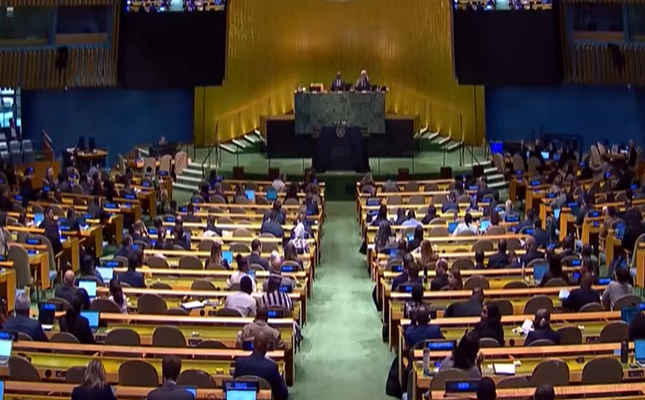
In a historic move with profound global implications, the United Nations General Assembly has formally recognized the transatlantic trafficking of enslaved Africans and racialized chattel enslavement as humanity’s most severe crime. The groundbreaking resolution, championed by Ghana and supported overwhelmingly by 123 member states, establishes an unprecedented international framework for addressing slavery’s enduring legacy.
The declaration, formally titled ‘Declaration of the Trafficking of Enslaved Africans and Racialised Chattel Enslavement of Africans as the Gravest Crime Against Humanity,’ received mixed international response. While CARICOM nations unanimously endorsed the measure and numerous African diaspora communities celebrated its passage, significant geopolitical divisions emerged. Fifty-two countries abstained from voting, including all European Union members, while Argentina, Israel, and the United States constituted the three opposing votes.
UN Secretary-General António Guterres characterized the transatlantic slave trade as ‘a profound betrayal of human dignity’ that established exploitative global systems whose repercussions continue to shape modern societies. ‘Remembrance alone is not enough,’ Guterres emphasized, calling for concrete actions to address systemic racism, implement reparatory justice, and accelerate inclusive development for communities of African descent.
The resolution mandates comprehensive measures including establishment of reparations frameworks, enhanced historical research initiatives, educational reforms, and healing programs. CARICOM, which has long advocated for reparatory justice, welcomed the declaration as a pivotal step toward addressing slavery’s harmful legacies through international cooperation and decisive action.
This diplomatic achievement occurs alongside global initiatives including the UN’s Second International Decade for People of African Descent and the African Union’s Decade of Reparations, creating unprecedented momentum for addressing historical injustices through policy reform and developmental equity.