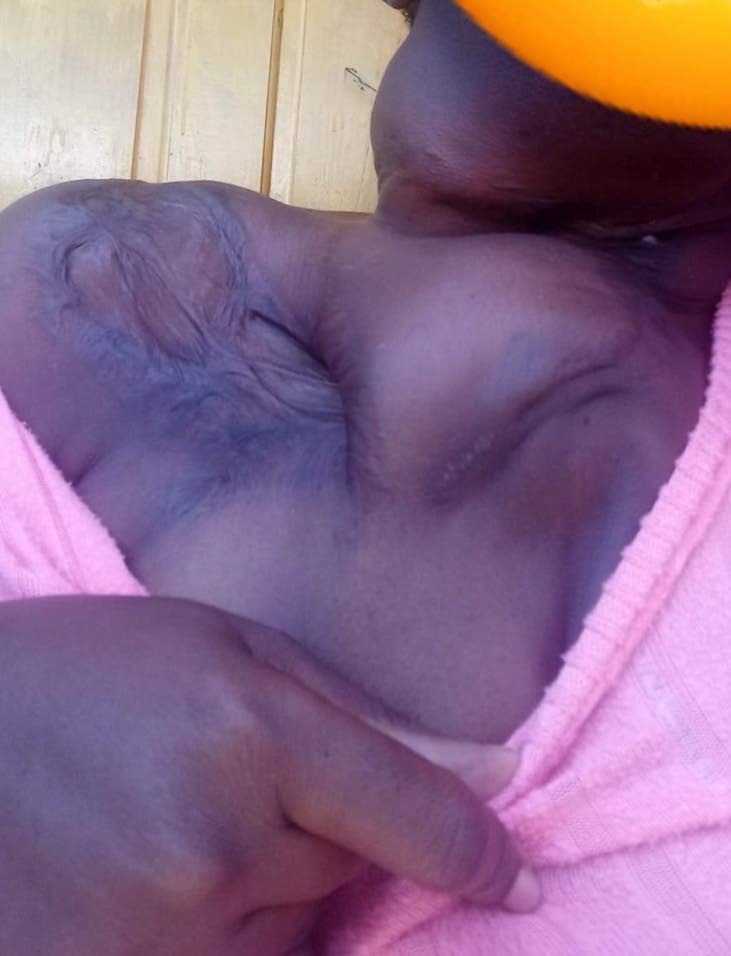
A 32-year-old Jamaican mother’s life has been irrevocably altered by a five-year medical ordeal that began with a small bump on her neck. Crystal Rhoden’s initial diagnosis of neurofibroma—a typically non-cancerous tumor growing on nerve sheaths—has spiraled into a chronic condition marked by failed surgeries, debilitating pain, and a profound loss of normalcy.
Following two surgical interventions, the mass has persistently regrown, each recurrence larger and more painful than the last. The procedures have left Rhoden with restricted neck mobility, a significantly altered appearance that has eroded her confidence, and a dependency on medication to manage excruciating pain that she describes as unbearable. This unrelenting condition forced her to relinquish her job as a sales clerk, halting her income and putting her aspirations of culinary school and a chef’s career indefinitely on hold. Her primary focus is now the care of her two young children, aged 10 and four, a responsibility made immensely difficult by her physical limitations and constant discomfort.
Facing a healthcare system that has been unable to provide a lasting solution, Rhoden and her family are now making a public, emotional appeal for assistance. They are seeking expertise from medical professionals or institutions capable of managing her complex case, potentially requiring treatment overseas, and are urgently raising funds to make this a reality. The family’s plight is compounded by a recent personal tragedy: the death of Rhoden’s aunt from a presumed similar condition, a loss that underscores the gravity of their fears.
Leading the fundraising effort is Rhoden’s mother, Carol Davis. As the family’s main provider, Davis has launched a GoFundMe campaign to cover medical expenses. Simultaneously, she has channeled her emotional turmoil into creating a YouTube channel, ‘Thrive Mentor,’ which focuses on mental health advocacy. Now monetized, the platform serves a dual purpose: documenting their journey to build a supportive community for others facing similar battles and generating a potential revenue stream to fund her daughter’s ongoing care. Davis speaks candidly about the immense mental and physical toll of caring for a chronically ill child, describing a shared experience of pain and a determined resolve to find hope and help through collective support.