Barbados is undertaking a groundbreaking modernization initiative to transform its centuries-old fishing sector into a technologically advanced, inclusive, and climate-resilient industry within the next decade. Under the leadership of Fisheries Director Dr. Shelly-Ann Cox, the ambitious strategy aims to increase the sector’s contribution to national GDP from 0.07% to 5% by 2034.
Dr. Cox’s comprehensive five-pillar framework represents a paradigm shift from traditional fishing practices to a professionalized, data-driven industry. The strategy fundamentally reimagines fishing careers, moving them from low-esteem occupations to respected professions with opportunities in boat-building, marine mechanics, and advanced fish processing.
The digital transformation component incorporates cutting-edge technologies including vessel-monitoring systems, electronic logbooks, and satellite imagery to enhance operational efficiency and enable evidence-based decision making. This technological overhaul is complemented by heritage preservation efforts that document traditional skills like net-knitting for integration into school curricula while recruiting younger boat captains to revitalize an aging workforce.
Inclusion and climate resilience form critical pillars of the strategy, with specific focus on increasing female participation across all industry segments and developing adaptive responses to environmental challenges such as sargassum seaweed invasions. The modernization drive also includes comprehensive legislative reform to update the 1993 Fisheries Act, implementing improved “hook-to-cook” traceability standards that will enable access to premium export markets in the UK, Canada, and West Africa.
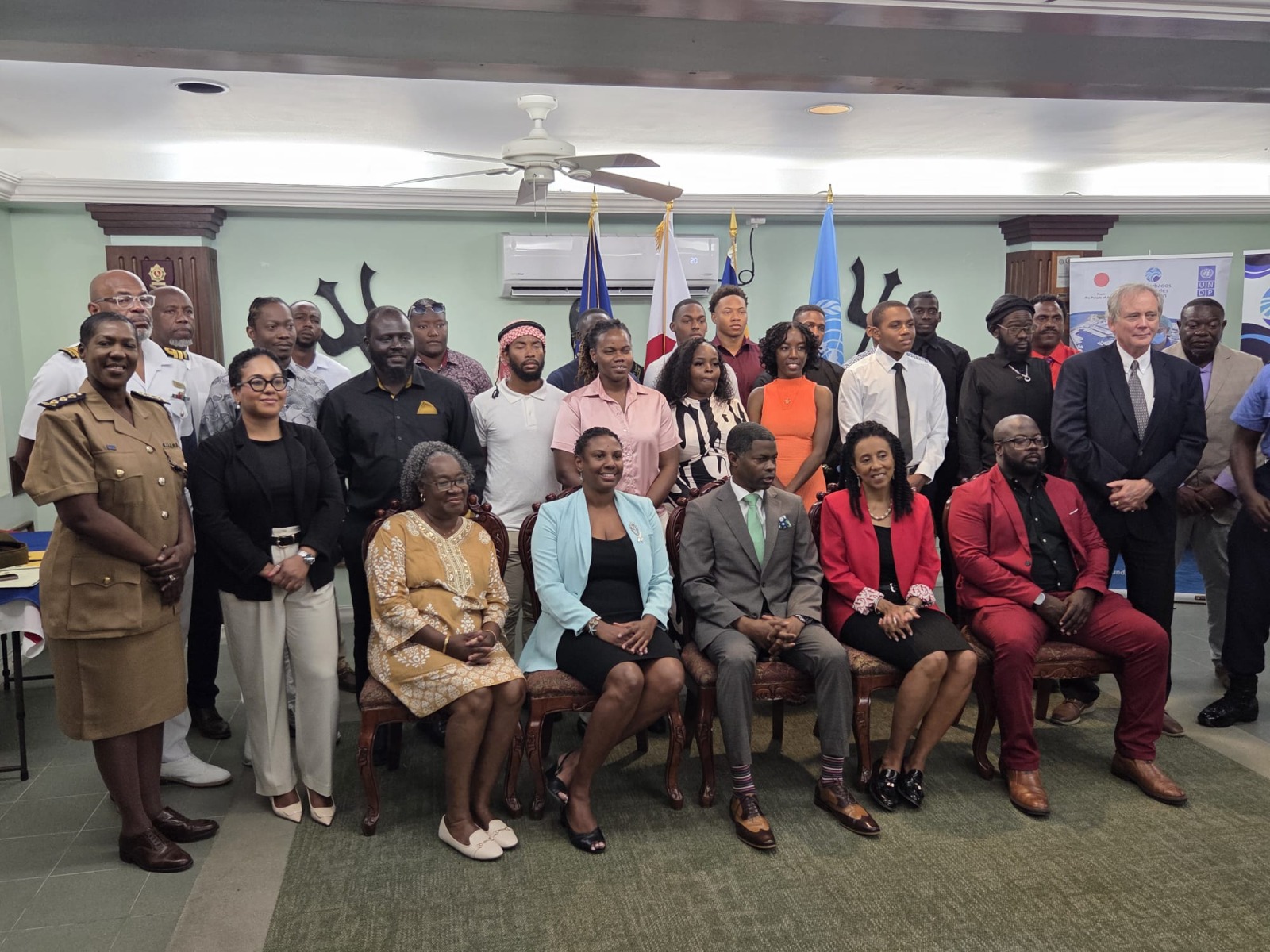
The implementation has already shown tangible progress through initiatives like the Fishing Vessel Operations Level 3 course, which recently certified 22 individuals. International partnerships with Japan, the United Nations Development Programme, and local institutions including the TVET Council and Barbados Coast Guard have been instrumental in driving these capacity-building programs.
However, the transformation faces significant challenges including an aging workforce demographic and natural resistance to change within the traditional industry. Hurricane Beryl, which struck 18 months into Dr. Cox’s tenure, served as a pivotal test of the sector’s resilience, forcing rapid adaptation with limited resources and increased reliance on private-sector partnerships.
The Fisheries Division is addressing implementation challenges through participatory research approaches that directly involve fishers in scientific processes rather than imposing regulations top-down. This includes innovative programs such as tagging dolphin fish (mahi-mahi) and measuring reproductive organs in markets to verify sexual maturity scientifically.
Future priorities include disaster-resilient vessel regulations mandating life rafts for all boats, particularly important given that Barbadian fishing vessels regularly operate up to 200 nautical miles offshore, with some record-breaking trips reaching 800 nautical miles. These safety enhancements will ensure vessels can withstand extreme conditions while delivering highest-quality seafood to both domestic consumers and international export markets.