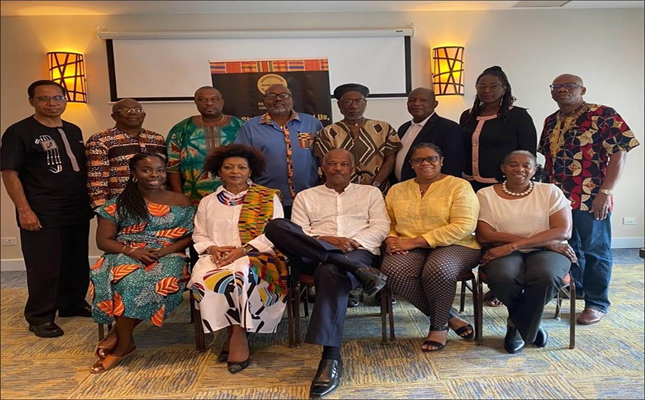
On the occasion of the International Day of Remembrance of the Victims of Slavery and the Trans-Atlantic Slave Trade, the CARICOM Reparations Commission has issued a powerful declaration demanding comprehensive reparatory justice. The Commission commemorated the approximately 15 million African men, women, and children who suffered through the brutalities of chattel enslavement across the Americas for more than three centuries.
The statement acknowledged both the profound trauma inflicted through the Middle Passage and the systematic denial of basic humanity, while simultaneously honoring the courageous resistance and relentless defiance demonstrated by enslaved peoples against European-dominated racial oppression. This resistance ultimately contributed to ending one of history’s most extensive human rights violations.
The Commission emphasized that the CARICOM Ten Point Plan for Reparations provides a strategic framework for addressing historical injustices through concrete measures. These include calls for formal restitution, comprehensive compensation programs, and the implementation of sustained initiatives to dismantle persistent structural and institutional racism rooted in colonial legacies.
A significant development highlighted in the declaration is the African Union’s designation of 2026-2035 as the Decade for Reparations, which represents a historic commitment to strengthening global reparations movements. This initiative establishes a platform for enhanced collaboration between African nations, Caribbean communities, and the broader African diaspora in pursuing unified reparatory justice.
The Commission characterized the transatlantic slave trade as a carefully orchestrated crime against humanity that systematically fueled European economic development while deliberately underdeveloping African and Caribbean regions. The enduring consequences of these exploitative systems continue to shape contemporary global inequalities.
As the reparatory justice movement reaches a critical juncture, the Commission reaffirmed its commitment to ongoing advocacy, diplomatic engagement, and public education initiatives. The statement concluded with a compelling appeal to the international community to recognize that achieving justice for victims of African enslavement constitutes a fundamental advancement of universal human rights.