Health authorities in Trinidad and Tobago have initiated comprehensive monitoring protocols across multiple regions following the laboratory-confirmed detection of Yellow Fever in a deceased Red Howler monkey. The Ministry of Health issued an official statement confirming the diagnosis while emphasizing that no human cases have been identified within the nation’s borders.
The discovery has triggered intensified surveillance operations and vector control measures in affected zones, with officials implementing precautionary monitoring systems. This development aligns with broader hemispheric concerns, as health agencies throughout the Caribbean and Americas have reported Yellow Fever cases in several Southern Hemisphere countries over the past year.
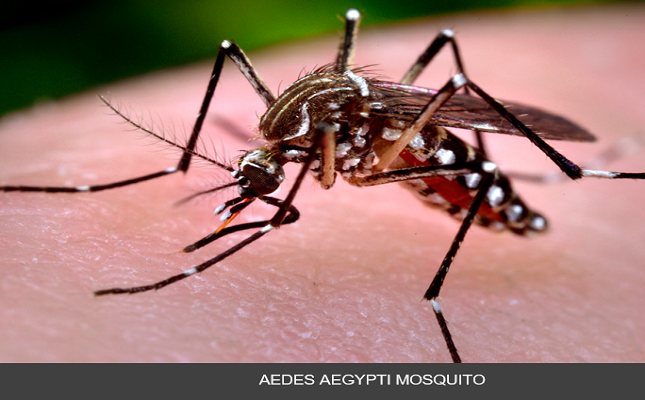
In response to the potential threat, Trinidad and Tobago has implemented enhanced travel regulations requiring visitors arriving from specified destinations to provide valid Yellow Fever vaccination certificates. The viral disease, transmitted primarily through infected Aedes aegypti mosquitoes, finds non-human primates like the Red Howler monkey serving as critical environmental indicators for viral presence.
Health officials note that while the primate infection doesn’t indicate immediate human transmission risk, it signals the necessity for heightened public health awareness. The ministry has issued guidelines for residents to implement protective measures against mosquito bites and eliminate potential breeding sites in residential areas. Early symptoms of Yellow Fever typically manifest within three to six days post-infection, including sudden fever onset, chills, severe headache, back pain, nausea, vomiting, and jaundice.