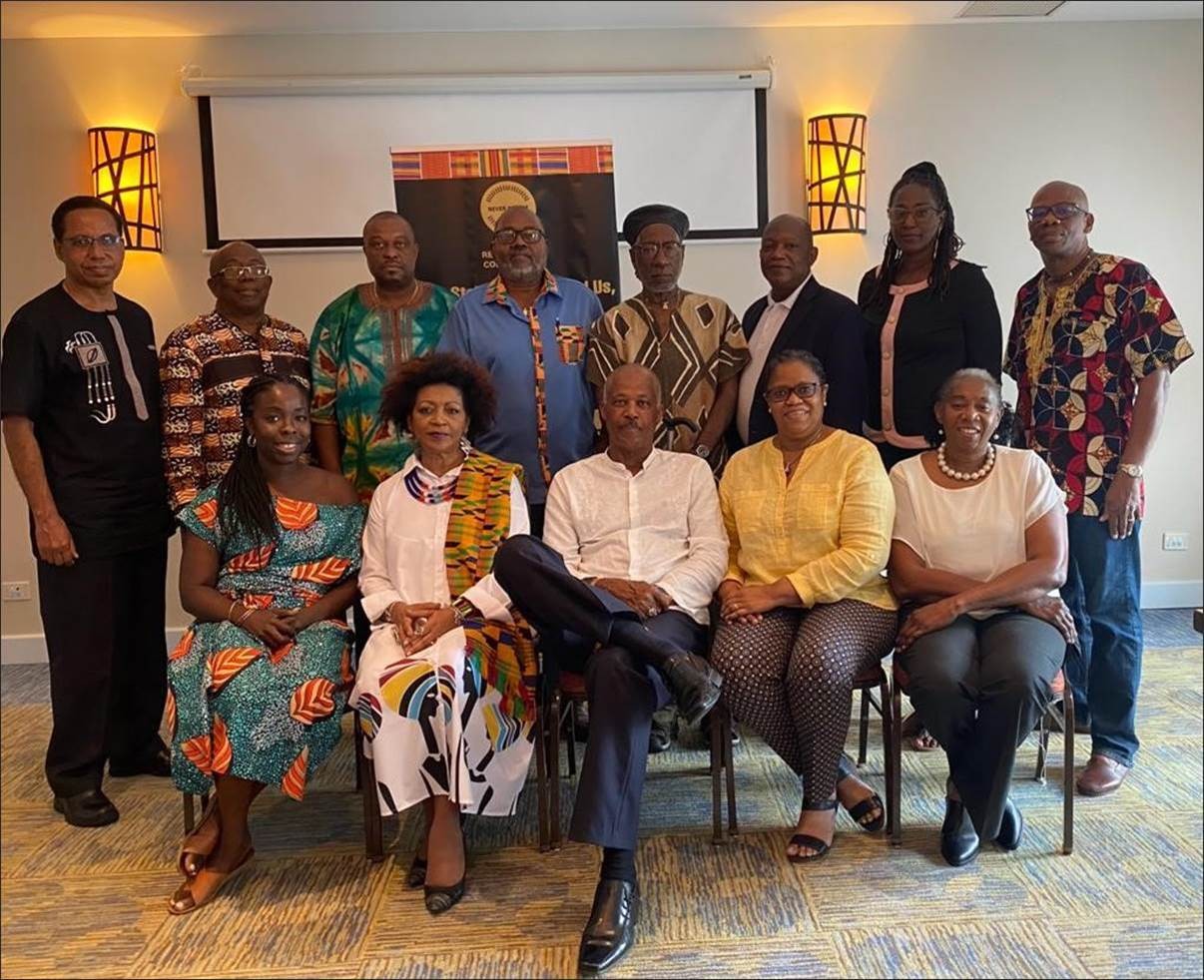
On the International Day of Remembrance for the Victims of Slavery and the Trans-Atlantic Slave Trade, the Caricom Reparations Commission issued a powerful declaration honoring the approximately 15 million African men, women, and children who suffered through centuries of chattel enslavement in the Americas. The commission memorialized both the profound suffering inflicted during the Middle Passage and the systemic brutality that denied basic humanity, while simultaneously celebrating the courageous resistance and defiance that ultimately challenged this racialized system of European domination. The commission framed its contemporary advocacy within the Caricom Ten Point Plan for Reparations, presenting it as the continuation of historical freedom struggles. It explicitly characterized transatlantic slavery as crimes against humanity—comprising racialized enslavement, human trafficking, and genocide—that were deliberately engineered to fuel European economic expansion while systematically underdeveloping Africa and the Caribbean. The commission welcomed the African Union’s declaration of a Decade for Reparations (2026–2035) as a pivotal framework for enhanced collaboration between Africa, the Caribbean, and the global diaspora. This announcement signals a strategic unification of the global reparations movement around principles of historical truth, moral accountability, and legal rights. The commission concluded by urging the international community to take concrete action toward repairing enduring legacies of exploitation, asserting that justice for victims of African enslavement constitutes justice for all humanity.