NEW YORK — Deposed Venezuelan leader Nicolás Maduro is scheduled for a pivotal court appearance in Manhattan on Thursday, marking his second hearing since U.S. special forces captured him during a dramatic nighttime raid in Caracas three months ago.
The 63-year-old former president and his wife, Cilia Flores, remain detained at Brooklyn’s Metropolitan Detention Center following their extraordinary capture in January. The operation, which involved aerial support and naval deployment, resulted in significant casualties according to Venezuelan authorities, though no U.S. military personnel were lost.
Maduro faces multiple serious charges including narco-terrorism conspiracy, cocaine importation conspiracy, and weapons violations. The former leader, who maintains his presidential status despite being ousted, has entered not guilty pleas on all counts while declaring himself a ‘prisoner of war.’
Thursday’s proceedings will focus on legal representation funding complexities arising from U.S. sanctions against Venezuela. Defense attorney Barry Pollack contends that requiring a special license for Venezuela to pay legal fees violates Maduro’s constitutional rights and has moved for case dismissal on procedural grounds.
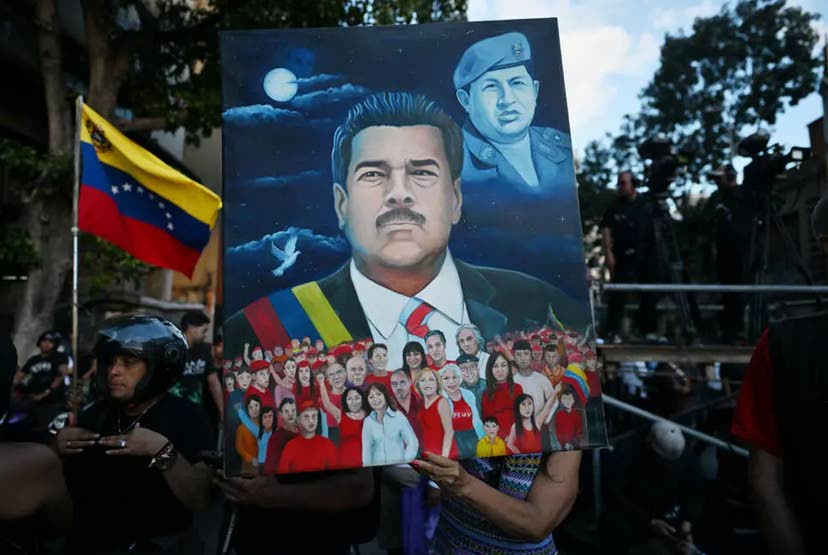
Outside the courthouse, polarized demonstrations unfolded with both supporters and critics of the former leader gathering. Some protesters displayed an inflatable effigy depicting Maduro in prison attire, reflecting the deep divisions surrounding his prosecution.
Current Venezuelan leadership under Delcy Rodríguez, Maduro’s former vice president, faces immense pressure to align with U.S. demands while managing an economy in crisis despite the country’s vast oil reserves. Recent developments suggest warming relations, including a historic amnesty law and the U.S. State Department’s move to restore diplomatic ties.
Prison authorities have reportedly isolated Maduro without internet or newspaper access, though sources indicate he remains psychologically resilient, spending time reading religious texts and maintaining communication with family through limited phone privileges.