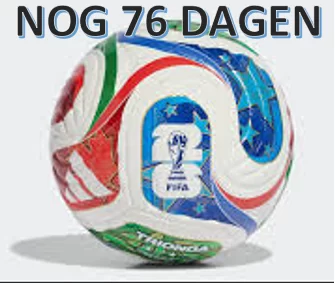
Football enthusiasts worldwide are marking their calendars for the planet’s most anticipated sporting spectacle—the 2026 FIFA World Cup. With precisely 76 days remaining until the tournament’s June 11th kickoff, anticipation builds for what promises to be the most inclusive and commercially significant edition in football history.
This edition breaks records with 16 additional teams compared to previous tournaments, dramatically expanding regional representation and creating unprecedented opportunities for smaller footballing nations. While most participants are confirmed, several countries continue battling through intercontinental playoffs for the final coveted spots. Host nations from the Caribbean region received automatic qualification, further diversifying the participant pool.
Suriname narrowly missed direct qualification and now faces a decisive playoff against Bolivia, with Iraq awaiting the winner for a chance at historic participation. The expanded format has intensified global engagement, particularly among nations celebrating their inaugural World Cup appearance, such as Curaçao.
The commercial landscape anticipates unprecedented returns, with FIFA securing lucrative sponsorship deals from global corporations eager to capitalize on worldwide viewership. Local entrepreneurs likewise prepare for economic benefits through artisanal souvenir production and hospitality sector growth.
Beyond commercial implications, the tournament serves as a global showcase for emerging talents seeking professional advancement through international exposure. Players recognize the World Cup’s unique platform for demonstrating their value to elite clubs worldwide.
The convergence of sporting excellence, commercial opportunity, and cultural celebration establishes the 2026 World Cup as a multifaceted global phenomenon with far-reaching impacts across sports, business, and international relations.