The White House issued a stark warning to Iran on Wednesday, with Press Secretary Karoline Leavitt declaring President Donald Trump prepared to ‘unleash hell’ if Tehran refuses to accept a proposed peace agreement to end the escalating Middle East conflict. The ultimatum came amid reports that Iran had already rebuffed a comprehensive 15-point US peace plan conveyed through Pakistani intermediaries.
Leavitt emphasized the administration’s seriousness, stating, ‘President Trump does not bluff and he is prepared to unleash hell. Iran should not miscalculate again,’ while noting that diplomatic channels remained open. The proposed American plan, according to sources cited by The New York Times, addresses Iran’s nuclear and missile programs alongside maritime security concerns.
Iranian Foreign Minister Abbas Araghchi delivered a defiant response, asserting that Tehran ‘does not intend to negotiate’ and interpreting US diplomatic overtures as ‘an admission of defeat.’ Araghchi confirmed Iran’s commitment to continued resistance, outlining five non-negotiable conditions for ending hostilities. These include ironclad guarantees against future US-Israeli attacks, war reparations, cessation of hostilities across all regional fronts, recognition of Iran’s sovereignty over the Strait of Hormuz, and cessation of operations against Tehran-backed resistance groups.
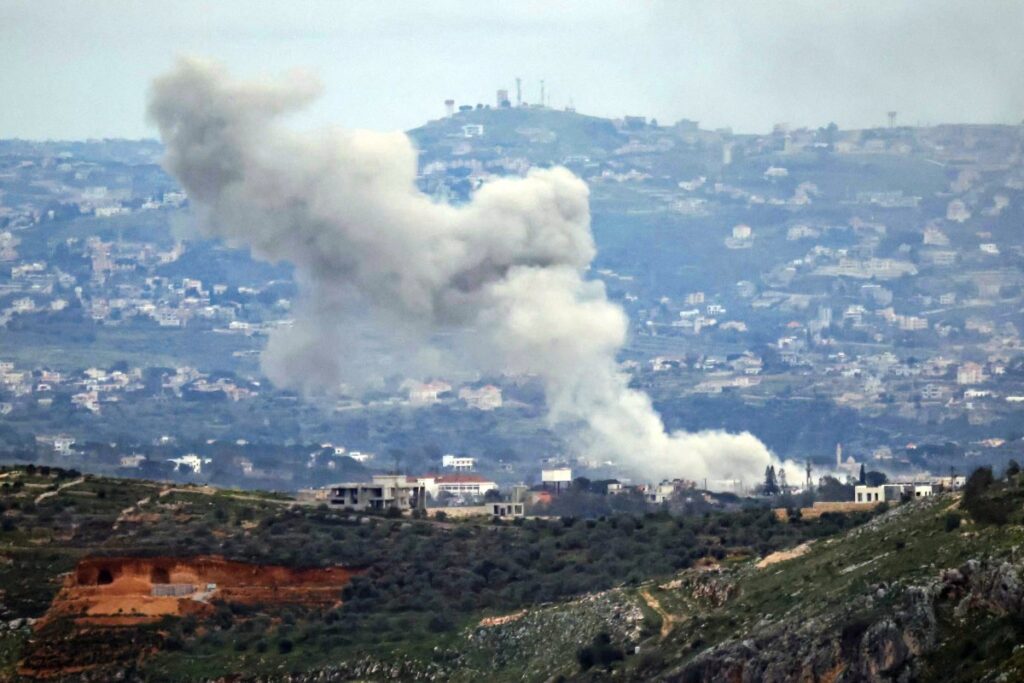
The diplomatic stalemate unfolded against continued military escalation. Iran’s military claimed its cruise missiles had forced the USS Abraham Lincoln carrier group to reposition, while Israel conducted strikes on targets in Tehran and a submarine facility in Isfahan. UN Secretary-General Antonio Guterres described the situation as ‘out of control,’ with fighting reported across multiple countries including Lebanon, Jordan, and Saudi Arabia.
Iran raised the stakes further by threatening to blockade the Bab el-Mandeb Strait—a critical Red Sea shipping lane—in response to any potential US ground invasion. This followed Iran’s existing restrictions on enemy vessels passing through the Strait of Hormuz, which have already driven global oil prices above $100 per barrel and disrupted approximately 20% of the world’s oil transit.
Regional mediators indicated behind-the-scenes efforts continued despite public posturing, though prospects for immediate de-escalation appeared dim as both sides hardened their positions and military preparations intensified.